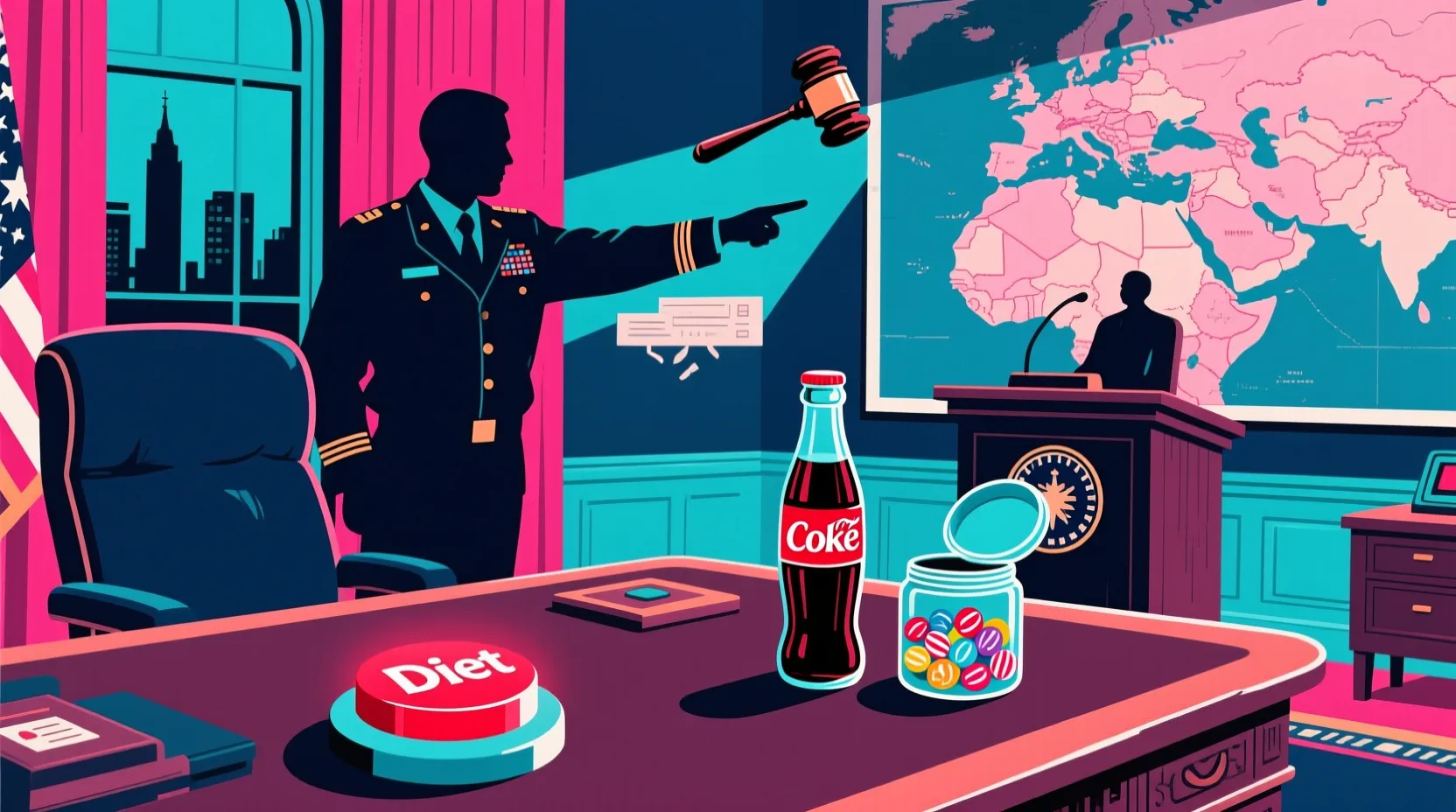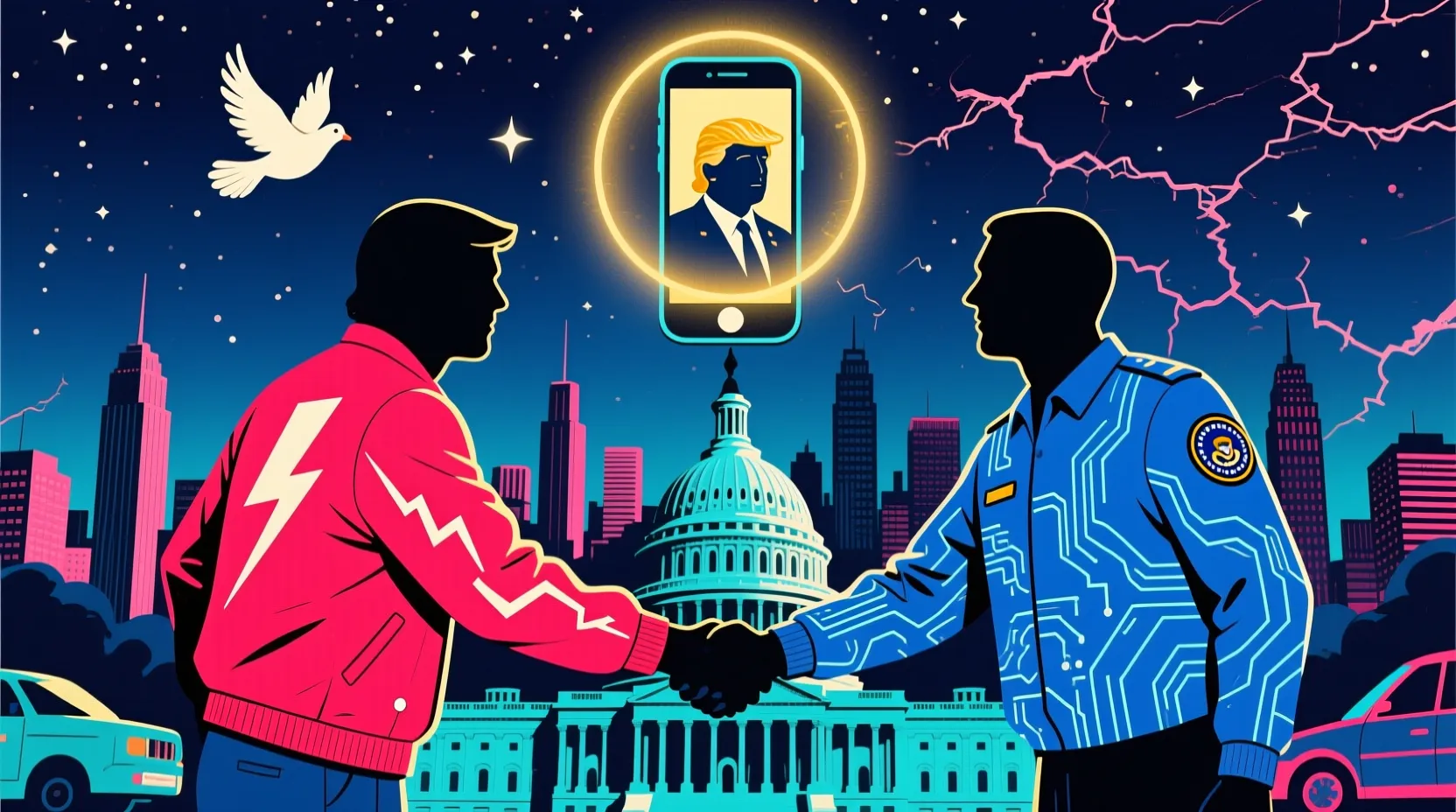
Anthropic co-founder says the company briefed the Trump administration on its AI model Mythos
Even as it sues the federal government, the AI firm is still sharing insights with top officials.
At a glance
What matters most
- Anthropic co-founder Jack Clark confirmed the company briefed the Trump administration on its AI model Mythos.
- The briefing happened even as Anthropic is suing the U.S. government over AI export restrictions.
- At the same summit, business leaders said AI is more likely to help workers than replace them entirely.
- The event highlighted the complex relationship between AI firms, government, and regulation.
Across the spectrum
What people are saying
A quick look at how the same story is being framed from different angles.
On the Left
It's concerning that a major AI company is briefing a Trump-led administration while avoiding transparency with the public. Given the administration's history with misinformation and executive overreach, close tech-government ties without oversight could enable misuse of powerful AI tools.
In the Center
Anthropic's approach reflects a practical reality: even when companies disagree with government policy, they still need to ensure leaders understand emerging technologies. The challenge is balancing engagement with accountability.
On the Right
It's good that private innovators are talking to the administration. The federal government needs insight from the private sector to avoid overregulating AI, and companies like Anthropic are right to push back on bureaucratic export rules that slow American competitiveness.
Full coverage
What you should know
At the Semafor World Economy summit this week, Anthropic co-founder Jack Clark made a surprising admission: the AI company had recently briefed the Trump administration on its latest model, Mythos. The update comes amid growing scrutiny over how closely private AI developers are working with federal officials - especially given that Anthropic is currently suing the U.S. government over its AI export control rules.
Clark didn't shy away from the contradiction. He explained that while the company disagrees with certain policies, especially those limiting open research and international collaboration, it still sees value in informing top decision-makers about emerging technologies. "We think it's important that policymakers understand what these models can and can't do," Clark said. "Even when we're in court with the administration, the conversation shouldn't stop."
The summit, which drew tech executives, economists, and policy experts, became a stage for broader debates about AI's role in society. Several CEOs echoed a shared belief: AI is more likely to augment human work than wipe it out. They pointed to early use cases in healthcare, engineering, and customer service where AI tools help professionals move faster and reduce errors, rather than replace entire job categories.
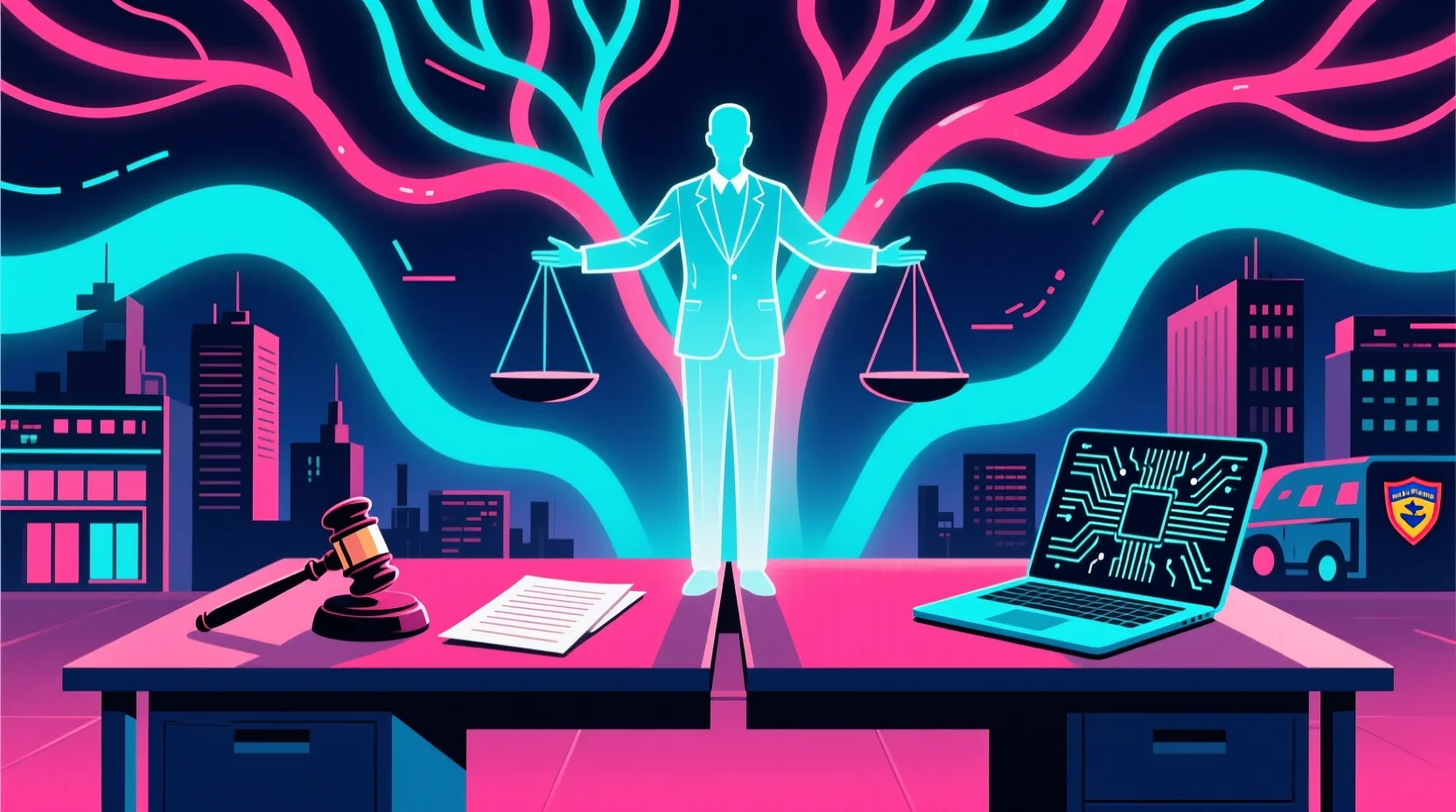
That optimism, however, sits alongside real tensions. Anthropic's dual stance - engaging with government while challenging it legally - reflects a wider struggle in the tech industry. Companies want a voice in shaping regulation but also resist what they see as overreach. The export rules Anthropic is fighting were put in place to limit advanced AI models from spreading to certain countries, but critics say they're poorly defined and could stifle innovation.
Meanwhile, legal debates from decades past are resurfacing in today's political climate. A new essay highlighted by Reason revisits the fight over President Nixon's tapes, drawing parallels to current arguments about executive privilege and oversight. Some conservative legal thinkers argue that recent actions by Congress and the courts risk reigniting old battles over presidential power - a conversation that feels newly relevant in a second Trump term.
What's clear is that AI isn't just a technical issue anymore. It's tangled up in law, politics, and history. Firms like Anthropic are trying to navigate that maze, sharing breakthroughs with the very institutions they're suing. And as AI becomes more embedded in government and business, those dual roles - collaborator and challenger - may become the norm.
For now, the Mythos briefing shows that even in moments of conflict, communication hasn't broken down. Whether that leads to smarter policy or deeper division remains to be seen.
About this author
Zwely News Staff compiles multi-source reporting into concise, viewpoint-aware coverage for readers who want context without noise.
Source Notes
Anthropic co-founder confirms the company briefed the Trump administration on Mythos
In an interview at the Semafor World Economy summit this week, Anthropic co-founder Jack Clark explained why the company was still engaged with the U.S. government while simultaneously suing them.
CEOs are betting AI will augment work rather than displace all workers
Panelists at the Semafor World Economy conference said artificial intelligence can supplement the work that's already done, improving its quantity and quality.
New in Civitas Outlook: Trump Refights the "War" That Congress and the Burger Court "Waged" Against President Nixon's Tapes
"OLC's opinion will frustrate, rather than extend, the dangerous cycle of presidential lawfare."
Previous story
Lena Dunham opens up about Adam Driver in new memoir, describing a tense 'Girls' set
Next story