
Jack White calls out Trump's Jesus image as blasphemy, sparking backlash from across the spectrum
A controversial AI-generated post has stirred anger, confusion, and debate among Christians and political figures alike.
At a glance
What matters most
- President Trump posted an AI-generated image of himself as a Jesus-like figure, then deleted it after backlash.
- Jack White and other critics called the image blasphemous, especially given Trump's criticism of the pope in the post.
- Some Christian conservatives expressed offense, though Trump claimed the reaction was due to misunderstanding.
- Trump blamed confusion for the outcry and took a swipe at conservative activist Riley Gaines in his defense.
Across the spectrum
What people are saying
A quick look at how the same story is being framed from different angles.
On the Left
Trump's use of religious imagery to elevate himself while attacking the pope shows a dangerous mix of narcissism and manipulation. For progressives, this isn't just offensive-it's proof that his support among some Christians prioritizes power over principle, and that faith is being exploited for political gain.
In the Center
While the post may have been intended as symbolic or provocative, its religious imagery crossed a line for many believers across denominations. The backlash reflects genuine theological concern, not just political opposition, and raises questions about the boundaries of political expression in a religiously diverse society.
On the Right
Most of the outrage is performative-driven by media and liberal critics eager to paint Trump as irreverent. Many of his supporters see the post as a bold statement against globalist religious figures like the pope, not a claim of divinity. The real story is how quickly dissenters within the right are targeted as disloyal.
Full coverage
What you should know
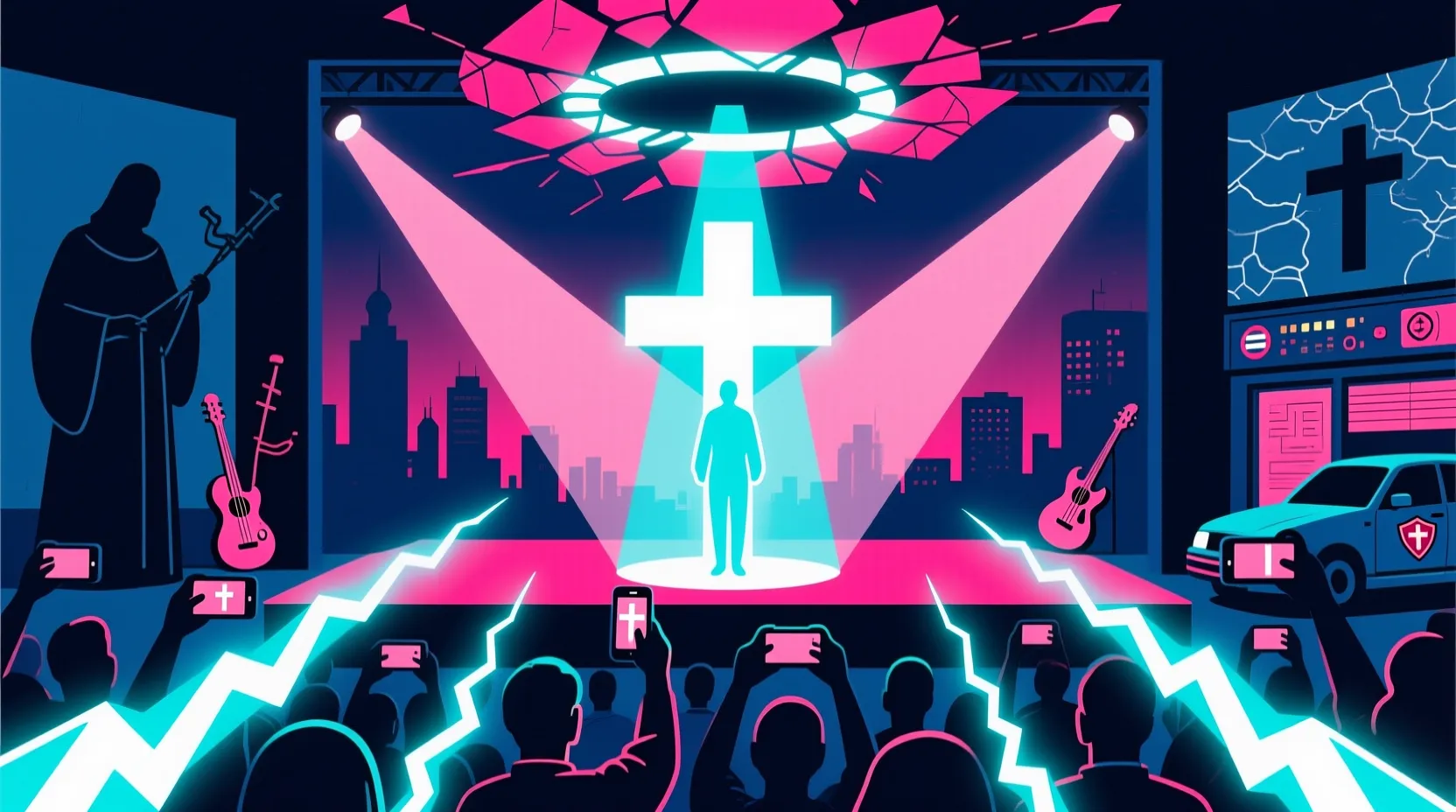
Over the weekend, a now-deleted social media post from President Donald Trump reignited tensions between faith, politics, and symbolism. The post featured an AI-generated image of Trump with outstretched arms, bathed in golden light, evoking traditional depictions of Jesus Christ. Alongside it, he criticized the pope and suggested religious leaders were out of touch. The combination didn't sit well with many-including some of his usual supporters.
Musician Jack White was among the most vocal critics, posting a lengthy message questioning how evangelical Christians could continue backing Trump after what he called a clear act of blasphemy. 'You say you follow Christ,' White wrote, 'but then you cheer when a man places himself above him?' He argued that the image wasn't just in poor taste-it contradicted core Christian teachings about humility and reverence.
That sentiment found echoes in parts of the Christian conservative base. Several prominent faith leaders and commentators described the post as inappropriate and spiritually dangerous. One pastor called it 'a mockery of the sacred,' while others urged Trump to reflect on the message it sent. The Hill reported that internal concern grew within conservative circles, with some advisors reportedly urging damage control.
But Trump, speaking to reporters late Sunday, dismissed the uproar. 'People were confused,' he said, suggesting the image was meant symbolically, not literally. He also used the moment to criticize Riley Gaines, a conservative activist who had voiced disapproval, implying she lacked loyalty. His tone suggested he saw the controversy more as a political test than a spiritual misstep.
The incident highlights the complex relationship between Trump and his evangelical supporters. For years, many have overlooked personal and rhetorical controversies in favor of policy wins like judicial appointments and religious liberty rulings. But this time, the symbolism struck closer to theological core beliefs, making forgiveness less automatic.
Still, not all reactions were negative. Some supporters defended the post as artistic expression or political satire, arguing that critics were overreacting. Online, memes circulated both mocking and defending the image, showing how quickly such moments become cultural flashpoints rather than spiritual discussions.
Whether this moment has lasting political consequences remains unclear. What is certain is that blending religious imagery with political messaging continues to carry risk-especially when it involves one of the most polarizing figures in modern American history.
About this author
Zwely News Staff compiles multi-source reporting into concise, viewpoint-aware coverage for readers who want context without noise.
Source Notes
Jack White Questions How Christians Can Support Trump ‘After This Blasphemy’
The musician posted a lengthy statement criticizing the president for depicting himself as Jesus and attacking the pope
Trump-as-Jesus post angers Christian conservatives who say it’s ‘blasphemy’
President Trump’s social media post depicting himself as a Jesus-like figure has sparked fierce backlash from factions of his conservative and Christian base, who called the image blasphemous and urged the president to remove it. The presid...
Trump reveals why he deleted AI post of himself as Jesus-like figure — and takes shot at conservative activist Riley Gaines
“People were confused," the president said.
Previous story
The DOJ report says abortion rights groups helped track anti-abortion activists
Next story