Kevin Warsh is stepping into a tight spot at the Fed with Trump pushing for rate cuts
The nominee has cleared a key procedural step, but the real challenge is balancing political pressure with economic reality
At a glance
What matters most
- Kevin Warsh has filed his ethics disclosures, a necessary step before his Senate confirmation hearing can proceed
- President Trump is publicly pushing for lower interest rates, but inflation remains sticky and the labor market is strong
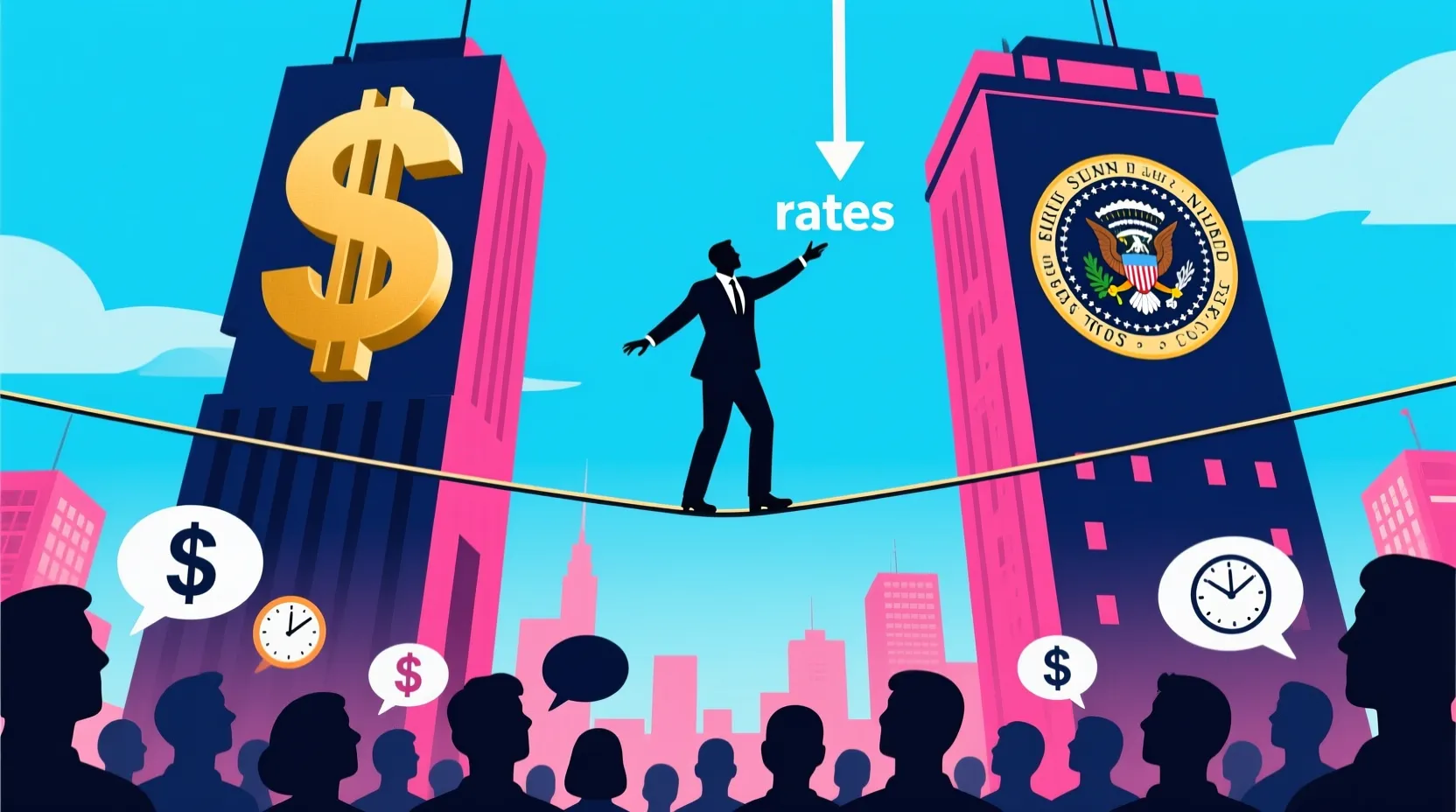
- Warsh would inherit a central bank caught between political demands and its mandate to maintain economic stability
- If confirmed, Warsh would take over at a moment when the Fed's independence is under fresh scrutiny
Across the spectrum
What people are saying
A quick look at how the same story is being framed from different angles.
On the Left
Trump is trying to turn the Federal Reserve into a political tool, and Warsh could become another example of that erosion. The Fed's independence exists to protect the economy from short-term political whims, especially when those whims serve Wall Street more than working families. Confirming Warsh under this pressure risks normalizing the idea that monetary policy should follow presidential orders.
In the Center
Warsh has the background and experience to lead the Fed, but the timing is fraught. The central bank needs to make decisions based on data, not political pressure. The confirmation process should focus on whether Warsh can uphold the Fed's dual mandate-stable prices and maximum employment-without being swayed by the White House.
On the Right
The Fed has kept rates too high for too long, and it's weighed on growth and small businesses. Trump is right to push for relief, and Warsh is a qualified nominee who understands how monetary policy affects real people. If confirmed, he should have the freedom to support a stronger economy without being locked into outdated inflation fears.
Full coverage
What you should know
Kevin Warsh has taken a quiet but important step toward leading the Federal Reserve: he's filed his ethics paperwork with the Senate. The move, confirmed Monday, clears a procedural hurdle and paves the way for his confirmation hearing. But the real test isn't paperwork-it's what comes next. Warsh, an economist with deep ties to Republican financial circles, is walking into one of the most politically charged economic moments in years.
President Donald Trump has been vocal about wanting lower interest rates. He's said the Fed should act more like other central banks and ease policy to boost growth and support markets. But right now, the data doesn't make that an easy call. Inflation has cooled from its 2022 peak, but it's still above the Fed's 2% target. Unemployment is low, and wages are rising. In normal times, those conditions wouldn't scream for rate cuts-let alone aggressive ones.
That puts Warsh in a tough spot. If he leans into Trump's wishes and pushes for cuts, he risks undermining the Fed's credibility and possibly reigniting inflation. But if he resists, he could face public backlash from the president who appointed him. The Federal Reserve is supposed to operate independently, but that principle is being tested as political figures increasingly weigh in on monetary policy.
Warsh isn't new to the Fed-he served as a governor from 2006 to 2011, during the financial crisis. That experience gives him credibility with some lawmakers and economists. Still, the current landscape is different. Markets are more volatile, political pressure is more direct, and public trust in institutions is thinner. His past record may help, but it won't shield him from the decisions ahead.
Some analysts say the mere prospect of Warsh at the helm has already stirred market expectations of looser policy. Treasury yields dipped slightly after news of his paperwork filing, and stock futures edged up. But traders are watching closely: if Warsh signals he won't bow to political pressure, those gains could fade fast.
The Senate Banking Committee hasn't set a date for his hearing yet, but it's expected within the next few weeks. Confirmation isn't guaranteed-some Democrats have voiced concern about the Fed becoming too aligned with White House goals. Even some Republicans are cautious, aware that past rate cuts under political pressure have sometimes led to bigger problems down the road.
At the heart of it, Warsh's challenge isn't just about rates. It's about whether the Fed can stay focused on long-term stability when short-term demands are so loud. The economy doesn't care about election cycles or market rallies. And if history's any guide, ignoring that fact comes with risks.
About this author
Zwely News Staff compiles multi-source reporting into concise, viewpoint-aware coverage for readers who want context without noise.
Source Notes
Fed nominee Kevin Warsh faces impossible task in rate cuts sought by Trump
Kevin Warsh, the nominee to be chairman of the Federal Reserve Board of Governors, faces the prospect that he might not be able to implement the rate cuts that President Donald Trump has called for. The economic conditions have changed dram...
Fed nominee Warsh clears a hurdle to Senate hearing
Kevin Warsh submitted required ethics paperwork to the Senate Monday.
Previous story
Nicole Kidman is training to become a death doula, inspired by her mother's passing
Next story