King Charles and Queen Camilla are in the U.S. this week, hoping for a royal reset
Their visit comes at a time when U.S.-U.K. ties feel more strained than usual
At a glance
What matters most
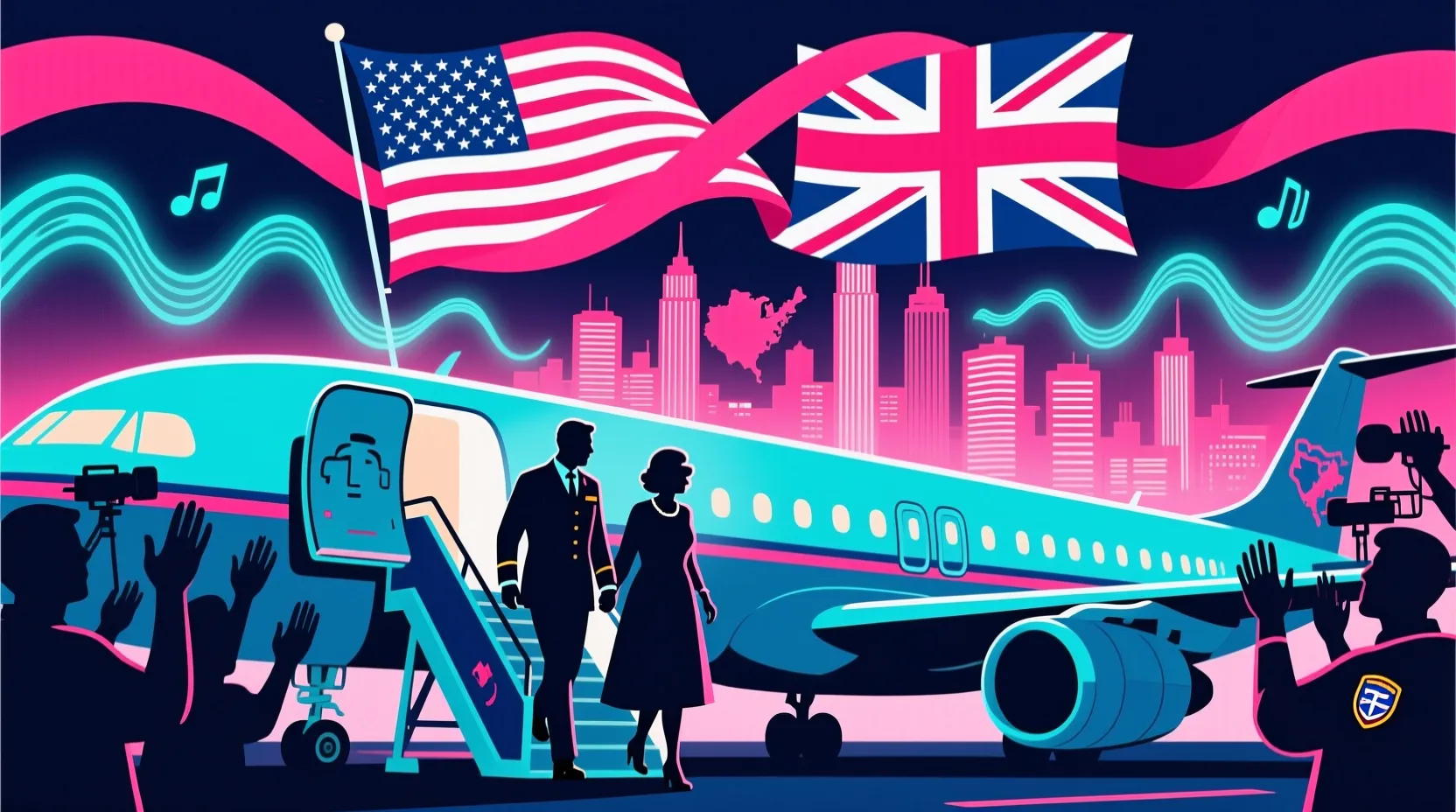
- King Charles and Queen Camilla are in the U.S. for a four-day state visit starting April 26, 2026, their first major joint trip under the current American administration.
- The visit comes amid strained U.S.-U.K. relations, with British officials hoping royal diplomacy can help rebuild trust.
- Historic royal visits to the U.S., like Princess Diana's 1985 dance with John Travolta, show how soft power can shape public perception.
- Events include a White House state dinner, meetings with civic leaders, and appearances highlighting climate and cultural initiatives.
Across the spectrum
What people are saying
A quick look at how the same story is being framed from different angles.
On the Left
This visit highlights how symbolic figures can distract from deeper issues. While the royal tour may offer pleasant optics, it doesn't address the real policy gaps between the U.S. and U.K., especially on climate and global cooperation. Relying on monarchy to mend diplomatic rifts lets elected leaders off the hook for doing the harder work of alignment.
In the Center
Royal visits won't change policy, but they can influence tone and public sentiment. At a time when U.S.-U.K. relations need rebuilding, the soft diplomacy of Charles and Camilla offers a low-risk opportunity to reset the mood and reinforce shared values, even if only temporarily.
On the Right
The monarchy represents tradition, stability, and enduring alliances. In a world of political chaos, figures like King Charles and Queen Camilla remind Americans of our deep cultural ties to Britain. This visit is a welcome return to decorum and a chance to celebrate a special relationship that still matters.
Full coverage
What you should know
King Charles and Queen Camilla touched down in Washington, D.C., on Sunday evening, marking the start of a four-day state visit aimed at warming a transatlantic relationship that's felt the chill of shifting politics. It's their first major U.S. trip since Donald Trump resumed the presidency in January 2025, and the timing is no accident. With Britain seeking stronger diplomatic footing amid disagreements over trade, defense, and climate policy, the royal couple is stepping in where diplomats sometimes stall - the realm of goodwill and shared memory.
The visit includes a state dinner at the White House, a joint appearance with First Lady Melania Trump, and a series of events spotlighting causes close to the king's heart, including environmental sustainability and youth opportunity programs. But beyond the formal agenda, there's an unspoken mission: to remind Americans of the cultural and historical threads that still bind the two nations. As one British official put it, "When politics gets loud, sometimes you need a quiet moment of continuity."
This isn't the first time royals have played peacemaker on American soil. In 1985, Princess Diana dazzled at a White House gala, dancing with John Travolta in a moment that became instant iconography. That single image, all glamour and grace, did more for British soft power in the U.S. than months of diplomatic cables. More recently, Prince Harry's post-military work and public appearances helped maintain royal visibility, even as the institution faced scrutiny at home.
But not every royal moment in America has been smooth. Prince Philip once told a group of British expats that Americans were "too fat to get into the lifeboats" during a ship safety drill - a remark that made headlines and required damage control. These visits, for all their pomp, are tightly choreographed not just for protocol, but for perception.
Today's context is different. The U.S. under Trump has pulled back from several international commitments, and Britain, still navigating its post-Brexit role, is eager to reassert its global partnerships. While the king holds no formal political power, his presence signals stability and a bridge across generations. Camilla, now widely accepted in her role, adds warmth and approachability - a balance the monarchy has worked hard to achieve.
Back in the U.K., public interest in the trip is steady, if not feverish. Some see the visit as a chance to showcase British values abroad; others question whether monarchy still carries weight in a modern diplomatic landscape. Yet even skeptics acknowledge that moments like a state dinner or a public appearance can cut through noise in a way policy statements rarely do.
As Charles and Camilla move through the week's events, they're not just representing a crown - they're leaning on decades of royal history in America, where a well-timed gesture or a shared laugh can sometimes say more than a treaty.
About this author
Zwely News Staff compiles multi-source reporting into concise, viewpoint-aware coverage for readers who want context without noise.
Source Notes
Princess Diana, hot dogs and a presidential matchmaking attempt: Iconic royal visits to America
King Charles and Queen Camilla's upcoming U.S. trip adds to a long history of iconic British royal visits, from state dinners to unforgettable gaffes.
King Charles U.S. visit comes at tense moment in transatlantic relationship
King Charles and Queen Camilla arrive Monday for a four day U.S. state visit. Some hope the royal touch can heal the transatlantic rift that's emerged under Trump.
Previous story
Confusion and fear grip Washington after shots fired at press dinner
Next story