
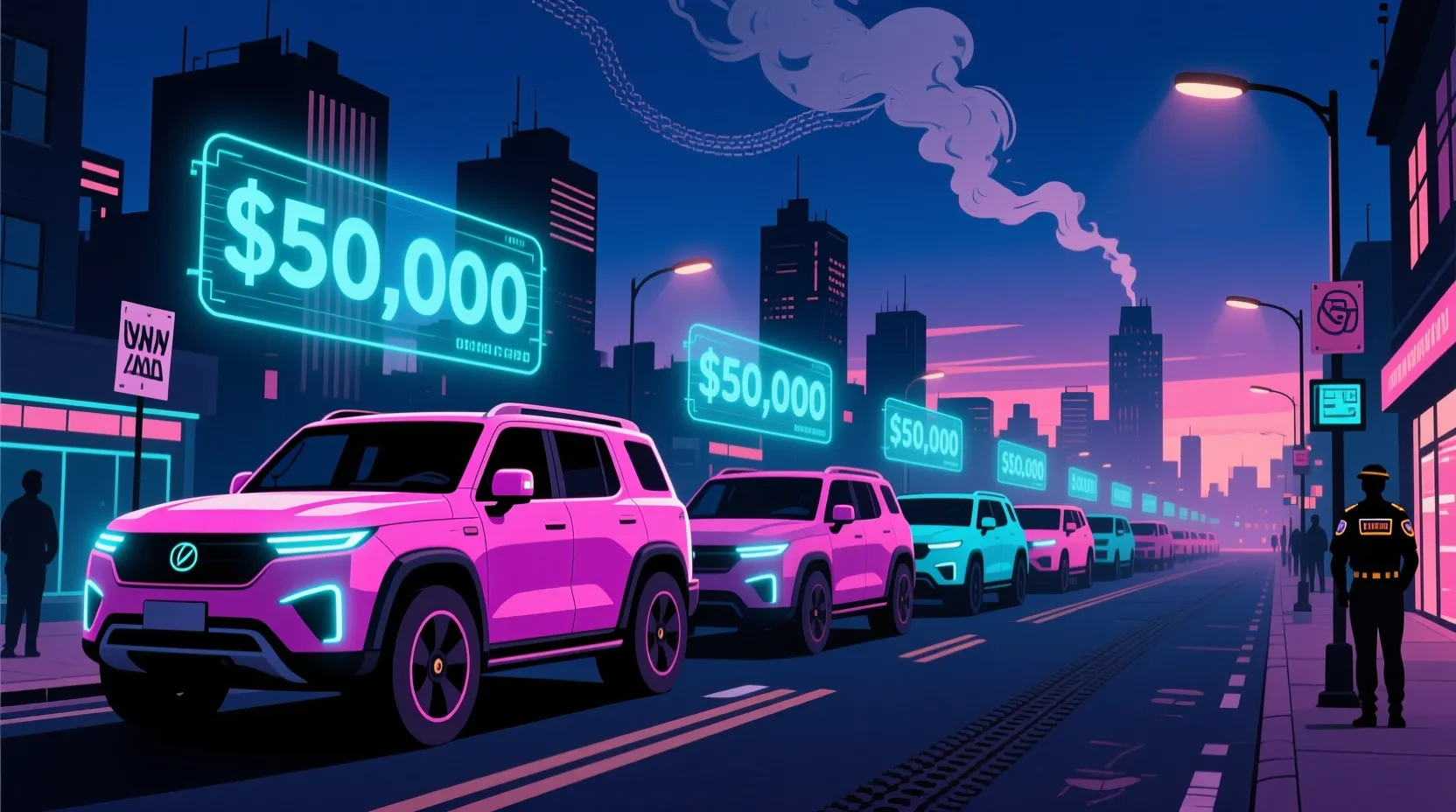
New vehicles now sell for an average of nearly $50,000
Car prices keep climbing as inflation ticks up, and buyers are feeling the squeeze
At a glance
What matters most
- Consumer prices rose 3.3% in March compared to a year ago, the biggest increase since May 2024
- New vehicle prices jumped 12.6% over the past year, pushing the average cost near $50,000
- Energy and shelter costs also contributed to inflation, though food prices were flat
- The uptick may delay expected interest rate cuts from the Federal Reserve
Across the spectrum
What people are saying
A quick look at how the same story is being framed from different angles.
On the Left
Rising car prices are hitting working families the hardest, especially as wages haven't kept pace. The auto industry's push toward expensive electric and tech-loaded models is leaving budget-conscious buyers behind. Without stronger consumer protections and affordable options, this trend will deepen economic inequality.
In the Center
While higher vehicle prices reflect real investments in safety, efficiency, and technology, the pace of increases is outstripping what many Americans can afford. The challenge is balancing innovation with accessibility, especially when inflation and interest rates are still elevated.
On the Right
Car prices are rising partly because of government regulations and mandates, especially around electric vehicles, that drive up production costs. The market should decide what consumers want-not federal incentives or emissions targets that push expensive models over affordable ones.
Full coverage
What you should know
Consumer prices climbed 3.3% in March compared to the same month last year, the largest annual increase since mid-2024, according to new Labor Department data. One of the biggest drivers? New cars. Prices for vehicles shot up 12.6% over the past 12 months, pushing the average sale price to nearly $50,000. That's a steep climb for shoppers already navigating tight budgets and high borrowing costs.
The jump in vehicle prices reflects a mix of factors: automakers are packing more tech and premium features into cars, supply chains are still adjusting, and interest rates on loans remain elevated. Even as inflation in other areas like food has stabilized, transportation costs-especially for new models-are still heating up. Used car prices have also risen, though not as sharply.
Energy costs added to the pressure, with fuel and utility prices rising due to seasonal demand and global oil market shifts. Shelter costs, which make up a large part of the inflation index, continued to climb as well, though at a slightly slower pace than earlier in the year. Together, these increases are making it harder for the Federal Reserve to justify cutting interest rates anytime soon.
For many families, the rising cost of a car isn't just an inconvenience-it's a financial strain. Cars are often a necessity, not a luxury, especially in areas without reliable public transit. With loan rates still high, monthly payments are becoming harder to manage, particularly for lower- and middle-income buyers. Some consumers are holding onto older vehicles longer, while others are shifting to used models or delaying purchases altogether.
Automakers say they're investing heavily in electric vehicles, safety tech, and software features that justify higher price tags. But critics argue that many of these upgrades aren't optional, and consumers end up paying for features they may not want or need. There's also concern that the industry's shift toward larger, more expensive SUVs and trucks is pricing out buyers looking for affordable, fuel-efficient options.
While some economists see the inflation bump as temporary-driven by energy and supply-side pressures-others warn that persistent price growth in big-ticket items like cars could keep inflation sticky. The Federal Reserve is watching closely. Any hope for rate cuts this spring now looks less likely, which means borrowing costs for everything from credit cards to home loans may stay high for a while longer.
For now, shoppers looking for a new vehicle are weighing trade-offs: pay more now, wait and hope prices ease, or go used and risk higher maintenance costs. With no quick fix in sight, the $50,000 average price tag may just be the new normal.
About this author
Zwely News Staff compiles multi-source reporting into concise, viewpoint-aware coverage for readers who want context without noise.
Source Notes
New vehicles now sell for an average of nearly $50,000
Consumer prices rose 3.3% in March, the biggest yearly increase since May 2024, while new car prices were up 12.6% from a year ago, the Labor Department reported.
Consumer Prices Reportedly Rose in March Over Soaring Energy Costs, but It's Mostly Good News
Consumer Prices Reportedly Rose in March Over Soaring Energy Costs, but It's Mostly Good News
Previous story
NYPD officers shoot and kill man who stabbed three at Grand Central
Next story