
Ships stall in the Strait of Hormuz as US blockade tightens and new Iran talks loom
Oil tankers are halting or turning around amid a US-led maritime clampdown, while diplomatic channels flicker with signs of a possible breakthrough.
At a glance
What matters most
- No commercial ships passed through the Strait of Hormuz in the first 24 hours of the US blockade, according to military data.
- Iran's president warned of 'widespread consequences' from the blockade but has engaged in diplomatic outreach, including a call with France's leader.
- The White House says new peace talks with Iran could start within 48 hours, possibly in Pakistan, even as tensions remain high.
- The standstill in one of the world's most critical oil chokepoints is raising fears of supply shocks and price spikes.
Across the spectrum
What people are saying
A quick look at how the same story is being framed from different angles.
On the Left
The US blockade risks triggering a humanitarian and economic crisis, punishing ordinary Iranians while pushing the region closer to war. Diplomacy should have been the first option, not a last-minute backup after military action. The focus should be on reviving international agreements and easing sanctions, not escalating pressure through naval force.
In the Center
The blockade is a high-stakes lever to force Iran to the negotiating table, but it carries serious risks. Cutting off a major oil route affects the global economy and could provoke retaliation. Still, with past diplomacy stalled, some pressure may be necessary-provided it doesn't spiral out of control and leaves room for talks.
On the Right
Strong action is needed to counter Iran's destabilizing behavior, and the blockade sends a clear message. Previous attempts at diplomacy have failed, so firm measures are justified. If the threat of economic isolation leads to real negotiations, then the strategy is already working.
Full coverage
What you should know
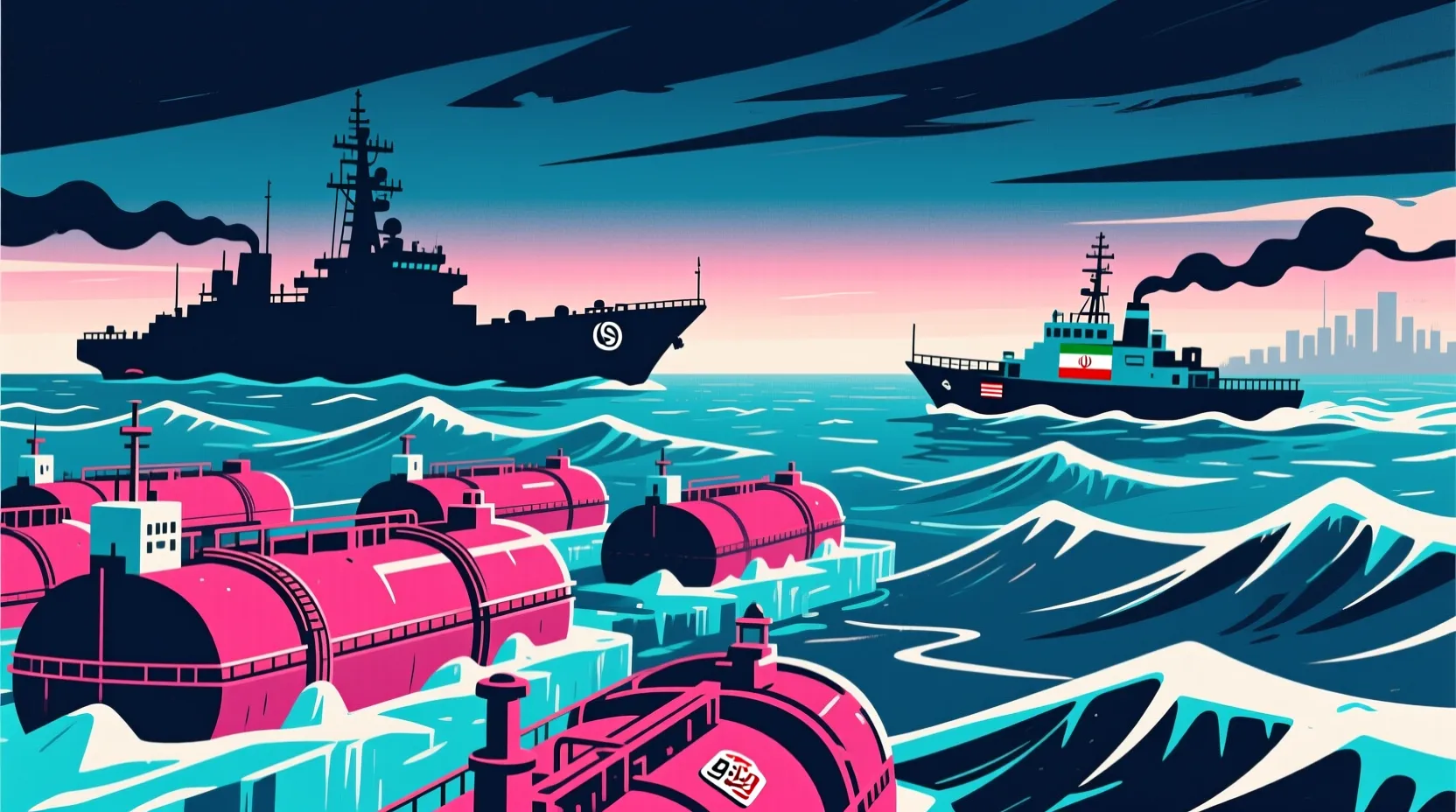
Shipping traffic through the Strait of Hormuz has ground to a near standstill, with tanker data showing vessels either stopping in place or reversing course amid a US-led blockade of Iranian maritime routes. The US military confirmed that no commercial ships successfully transited the narrow waterway during the first day of the operation, a move intended to pressure Iran over its regional activities. The strait, which handles about a fifth of the world's oil, is now effectively frozen, raising alarms across global energy markets.
Iran hasn't backed down. President Masoud Pezeshkian warned of 'widespread consequences' if the blockade continues, delivering the message in a phone call with French President Emmanuel Macron. The tone was sharp, but the fact that the conversation happened at all suggests diplomatic channels haven't fully closed. European leaders are quietly urging de-escalation, wary of a conflict that could spiral beyond the Gulf.
Even as warships hold position and tankers idle, there are signs of movement behind the scenes. The White House says discussions are underway for a new round of Iran talks, possibly within 48 hours and potentially hosted in Pakistan. This follows a public comment from Donald Trump, who suggested negotiations could kick off there soon. While details remain thin, the mere mention of talks has tempered some of the immediate fears of military escalation.
The economic stakes couldn't be higher. With oil prices already jittery, the halt in Hormuz traffic threatens to disrupt supply chains and spike fuel costs worldwide. Insurers are re-evaluating risk for Gulf routes, and some shipping firms are rerouting vessels far south around Africa-a move that adds days and thousands of miles to voyages. Analysts say even a short closure could ripple through markets, especially if it drags into the summer demand season.
For now, the US maintains that the blockade is a targeted measure, not an act of war. Officials say it's meant to cut off weapons shipments and illicit oil exports, not to provoke conflict. But in practice, stopping ships in one of the world's busiest waterways is hard to separate from broader hostilities. Naval forces from several countries are monitoring the situation closely, and the region is on edge.
Diplomacy, however fragile, appears to be the only way out. Pakistan's potential role as a neutral host makes sense-it has ties to both the US and Iran and has avoided taking sides in recent tensions. If talks do begin, the agenda will likely include not just the blockade but longer-standing issues like nuclear inspections and regional influence.
The next few days could go either way. The standoff in the Gulf is tense, but not yet explosive. With ships waiting in the heat and leaders trading warnings and overtures, the world is watching to see whether cooler heads will prevail-or if the path leads toward something far more dangerous.
About this author
Zwely News Staff compiles multi-source reporting into concise, viewpoint-aware coverage for readers who want context without noise.
Source Notes
Tankers transiting Strait of Hormuz stop or turn around amid US blockade, data shows
US military says no ships pass through its operation to seal off Iranian ports in first 24 hours
More U.S.-Iran peace deal talks are in discussion, White House says
Traffic through the Strait of Hormuz remains at a trickle, despite President Donald Trump proclaiming that a ceasefire with Iran depended on it reopening.
Iran Threatens ‘Widespread Consequences’ for Strait of Hormuz Blockade
Iranian President Masoud Pezeshkian threatened “widespread consequences” for the U.S. blockade of Iran’s ports in a phone call with French President Emmanuel Macron on Tuesday. The post Iran Threatens ‘Widespread Consequences’ for Strait of...
Trump: New Iran Talks Could Kick Off in Pakistan Within 48 Hours
Trump: New Iran Talks Could Kick Off in Pakistan Within 48 Hours
Previous story
Trump lashes out at allies as tensions grow over Iran, Israel, and the pope
Next story