The brother of the alleged WHCD gunman tried to warn police before the attack
He reached out after seeing disturbing writings - but the suspect was in Washington before authorities could act
At a glance
What matters most
- The alleged gunman's brother contacted police in Connecticut after receiving troubling writings from him.
- Despite the warning, the suspect had already arrived in Washington, D.C., and carried out the attack near the White House Correspondents' Dinner.
- No major injuries were reported, but the event was disrupted and security is now under review.
- Some are questioning whether intelligence sharing between states and federal agencies could have prevented the incident.
Across the spectrum
What people are saying
A quick look at how the same story is being framed from different angles.
On the Left
This incident shows why we need stronger systems to act on early warnings, especially around mental health and gun access. The brother did the right thing by reaching out, but our response networks failed to connect the dots in time. We can't keep relying on luck to prevent violence.
In the Center
While the brother's warning was a critical moment, it's not always possible to stop someone who's determined and mobile. The bigger issue may be event security logistics - especially for gatherings that mix public figures and open venues. Prevention and protection both need upgrades.
On the Right
This near-disaster proves that high-profile events shouldn't be held outside secure government facilities. The White House has secure spaces for a reason. Putting political elites and media figures in a downtown hotel creates a target. We need smarter protocols, not just more warnings.
Full coverage
What you should know
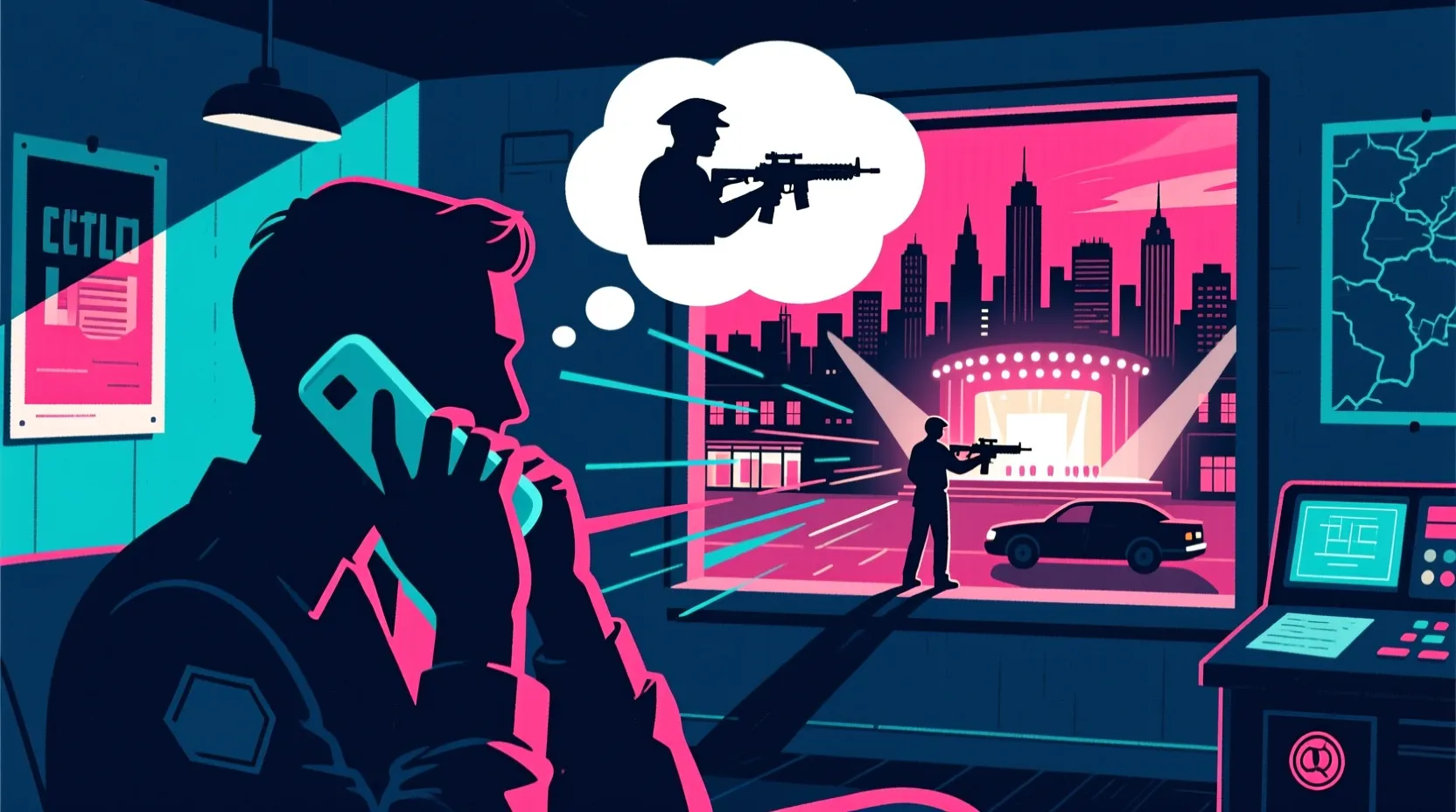
The brother of the man accused of opening fire near the White House Correspondents' Dinner over the weekend had tried to alert authorities before the attack, according to a senior administration official who spoke with NBC News. After receiving a series of disturbing writings from his sibling, the brother contacted local police in Connecticut, hoping to prevent something worse.
But by the time law enforcement began to act, the suspect was already in Washington, D.C. He reportedly traveled to the capital days before the dinner, staying at a budget hotel and moving quietly through the city. On Saturday night, he opened fire outside the event venue, sending guests and journalists scrambling for cover. Fortunately, no one was seriously injured - the shots either missed or were stopped by security barriers.
The White House Correspondents' Dinner, typically a lighthearted gathering of journalists, politicians, and celebrities, has long drawn criticism for its relaxed security. This year, the event was held at a downtown hotel, not inside the White House. That decision is now under fresh scrutiny. In a Fox News opinion piece, commentator Mike Davis argued the dinner should be moved to a secure ballroom within the White House complex, saying, 'If we don't secure the space, it's only a matter of time before someone gets killed.'
While the suspect's exact motives are still being investigated, early reports suggest he was deeply disillusioned with politics and media, expressing anger in writings that blended conspiracy theories and personal grievances. Investigators are now reviewing whether any red flags were missed between state and federal agencies, especially since the warning from the brother was logged but didn't trigger an immediate cross-state response.
Law enforcement officials stress that there's no evidence the suspect had direct ties to extremist groups. Instead, they're focusing on how lone actors who show warning signs can slip through the cracks, especially when they move across state lines. The FBI is now working with local departments to improve how such tips are escalated.
For many journalists who were at the dinner, the night was supposed to be a rare moment of levity. Instead, it ended with flashing lights, sirens, and a shaken mood. Some attendees said they felt blindsided, while others acknowledged that in today's climate, events like this may need to change.
As the investigation continues, the focus isn't just on what went wrong - it's on how to keep high-profile gatherings safe without turning them into fortresses. The balance between openness and security has never felt more urgent.
About this author
Zwely News Staff compiles multi-source reporting into concise, viewpoint-aware coverage for readers who want context without noise.
Source Notes
Alleged WHCD gunman's brother alerted police in advance
The alleged White House Correspondents' Dinner gunman's brother notified police in Connecticut after the suspect sent family members his writings, a senior administration official told NBC News. The official characterized the writing as dis...
MIKE DAVIS: Secure the White House and build the ballroom before someone gets killed
The alleged assassination attempt at the White House Correspondents' Dinner highlights why large events should move to a secure White House ballroom.
Previous story
There's no evidence the Correspondents' Dinner attack was faked - but that's not stopping the rumors
Next story