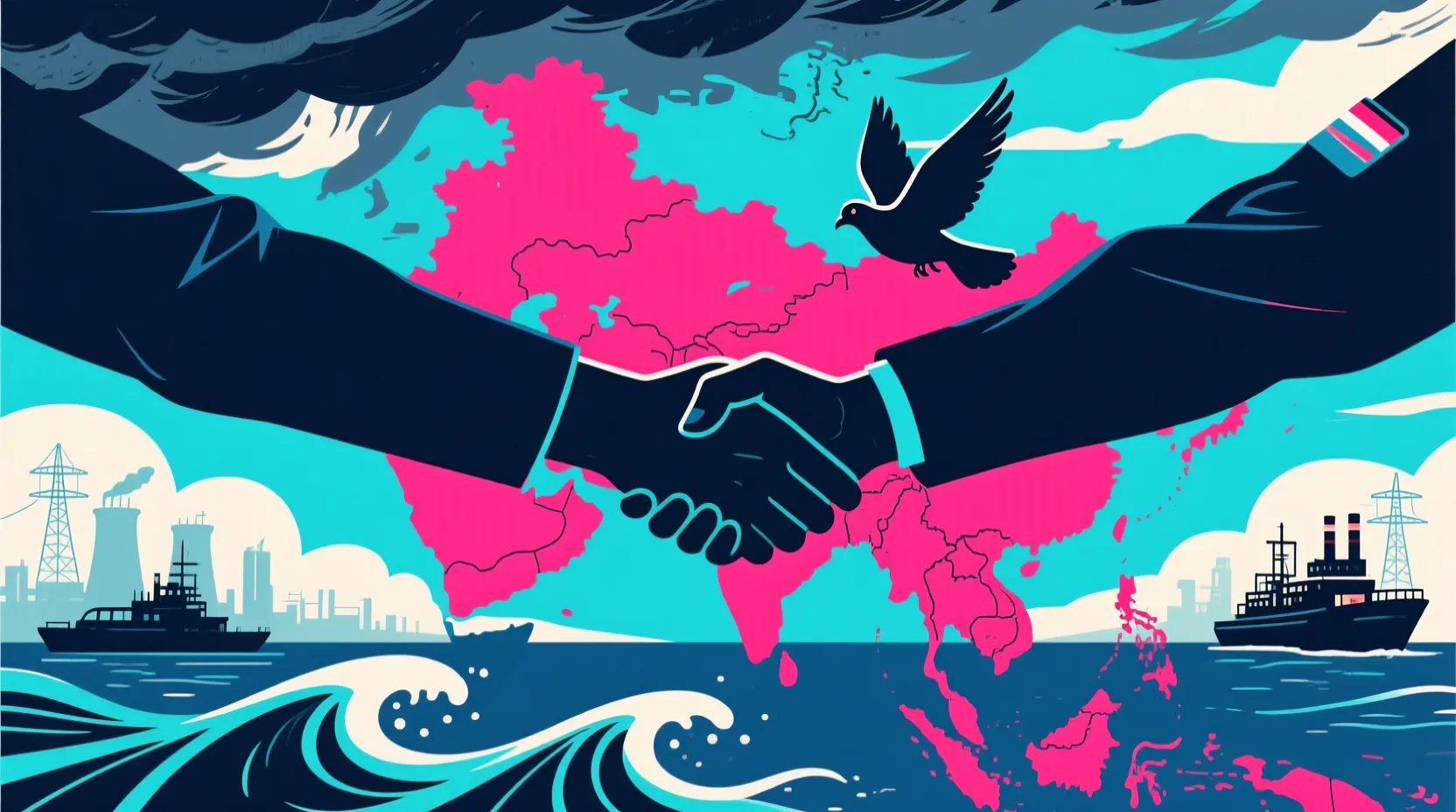
The Strait of Hormuz is inching open, but the pressure on global oil isn't letting up
A shaky ceasefire and partial reopening haven't eased fears about energy costs or long-term stability in the region

At a glance
What matters most
- The Strait of Hormuz has partially reopened, but only under strict Iranian oversight and limited shipping routes
- Energy Secretary Chris Wright says full reopening depends on a lasting U.S.-Iran deal to end hostilities
- Oil prices remain elevated and gas costs are rising in the U.S., despite the fragile ceasefire
- Pakistan is mediating new talks, but Iran insists on sanctions relief as a precondition
Across the spectrum
What people are saying
A quick look at how the same story is being framed from different angles.
On the Left
The U.S. should prioritize diplomacy and address the root causes of tension, including sanctions that have devastated Iran's economy. Keeping military pressure front and center only deepens the cycle of conflict. A lasting peace requires mutual concessions, not just demands for Iran to back down.
In the Center
While Iran's control of the Strait is a serious threat to global trade, reopening it fully without guarantees could reward coercion. The U.S. needs to balance firmness with diplomacy, using both economic and diplomatic tools to secure a stable, verifiable agreement.
On the Right
The Biden administration's approach has emboldened Iran by allowing them to shut down a critical global waterway and then negotiate from strength. Congress must push back by supporting energy independence and holding Tehran accountable without appeasement.
Full coverage
What you should know
The Strait of Hormuz, one of the world's most critical oil chokepoints, is allowing some tanker traffic again-but only just. After weeks of near-total closure, Iran has begun permitting limited shipments through designated routes, according to reports from France 24. The move follows a fragile ceasefire and growing international pressure, but it's far from a full return to normal. The partial reopening comes with tight controls, signaling Tehran's intent to keep leverage as new talks loom.
U.S. Energy Secretary Chris Wright made it clear Sunday that the situation won't truly ease until a broader deal is in place. On CNN's State of the Union, he said the Strait likely won't fully reopen until the U.S. and Iran reach a binding agreement to end hostilities. "After a deal is reached," Wright said, "we can start talking about free and secure passage again." His comments suggest the Biden administration sees the closure not just as a military or diplomatic issue, but as a direct threat to global energy stability.
That stability has already taken a hit. Even with the ceasefire holding-for now-oil prices have stayed high, and American drivers are noticing. The Washington Examiner reports that gas prices are climbing again, with many families feeling the pinch at the pump. Analysts warn this could be just the start if the current truce falters or drags on without resolution. The economic ripple effects are being felt beyond fuel, with shipping costs and supply chains still under strain.
Diplomacy is inching forward, with Pakistan stepping in to host a new round of talks. But Iran's position remains firm: sanctions must be lifted as part of any deal. Iranian officials argue that the economic pressure from years of restrictions has been a root cause of the crisis. For now, they're using control of the Strait to force the issue, treating access as a bargaining chip rather than a neutral passage.
The world is watching closely. About a fifth of all globally traded oil passes through the Strait under normal conditions. Even a partial blockage can send shockwaves through energy markets. While the current arrangement avoids outright conflict, it doesn't restore confidence. Traders, governments, and consumers are all operating under the assumption that the situation could shift fast.
Wright's message underscores a growing consensus: temporary fixes won't cut it. A lasting agreement would need to address not just military tensions but the underlying economic grievances on both sides. Without that, the Strait could remain a flashpoint, with periodic closures becoming the new normal.
For now, the path forward is narrow-much like the waterway itself. The partial reopening offers a glimmer of progress, but the pressure isn't off. Whether this moment leads to real diplomacy or just another pause before the next crisis depends on choices still being made behind the scenes.
About this author
Zwely News Staff compiles multi-source reporting into concise, viewpoint-aware coverage for readers who want context without noise.
Source Notes
Wright says Strait of Hormuz will not reopen until Iran deal is reached
Energy Secretary Chris Wright said Sunday that the Strait of Hormuz will likely remain closed until the U.S. and Iran reach a deal to permanently end hostilities. “After a deal is reached,” Wright told host Jake Tapper on CNN’s “State of th...
Iran asserts leverage in Hormuz ahead of new round of talks
Iran has partially reopened the Strait of Hormuz, but only under strict authorisation and designated routes, as tensions with the US continue. While Pakistan tries to organise new talks, Iranian officials insist sanctions must be lifted and...
Prices are going up. Its only the beginning unless Congress takes action
The U.S. and Iran have reached a fragile ceasefire, but despite the long-awaited reopening of the Strait of Hormuz, the future of the ceasefire remains uncertain, and American families are still facing real economic consequences at the gas...
Previous story
Someone tampered with a HiPP baby food jar in Austria, and it now has rat poison
Next story