The Supreme Court is taking on two big cases that could reshape digital privacy and corporate liability
One could redefine how police use location data, the other might limit lawsuits over weedkiller
At a glance
What matters most
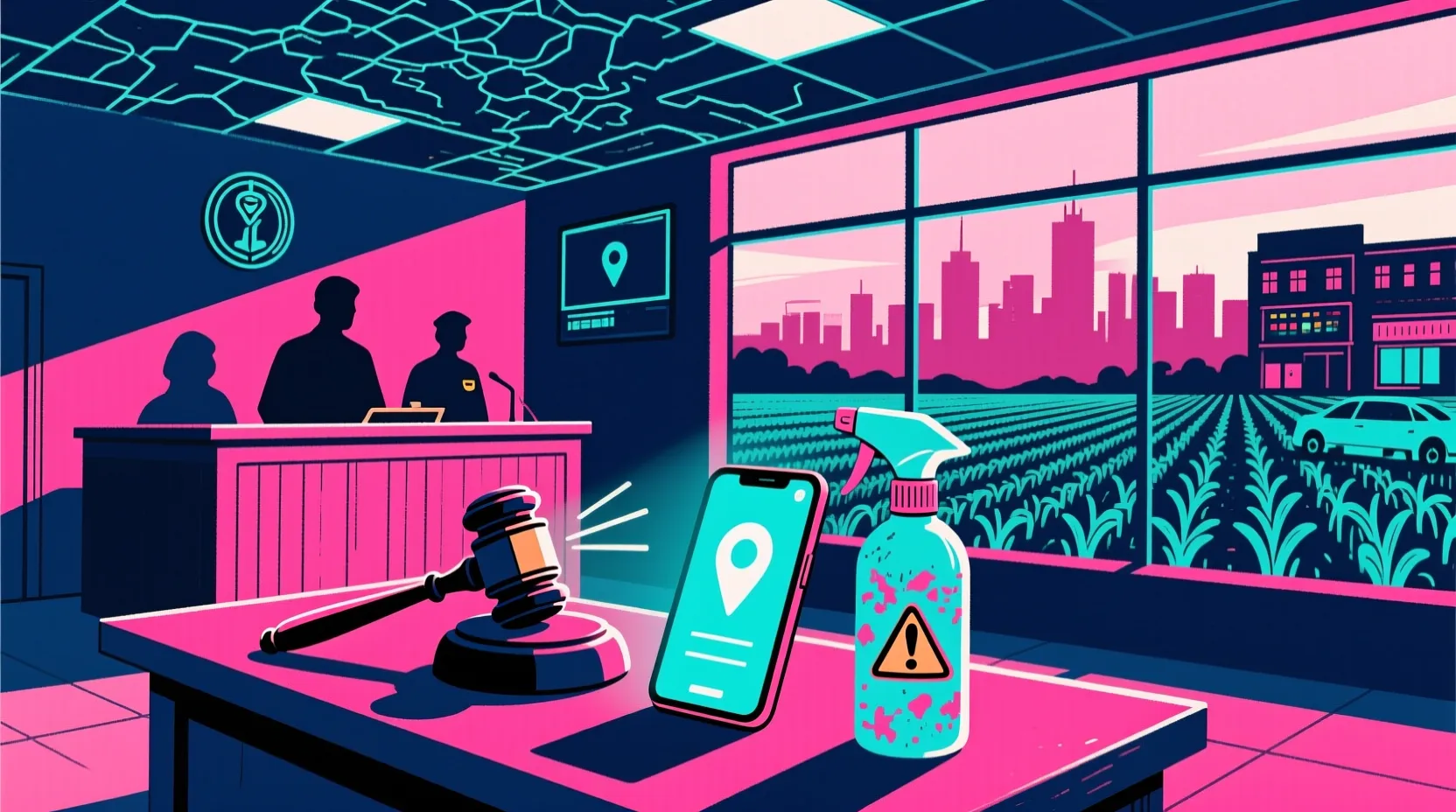
- The Supreme Court is reviewing whether geofence warrants, which pull location data from all devices in a certain area, violate the Fourth Amendment
- A separate case could limit liability for companies like Monsanto over the herbicide Roundup, with major consequences for product liability lawsuits
- The outcomes could affect everyday Americans' digital privacy and their ability to sue corporations over health claims
Across the spectrum
What people are saying
A quick look at how the same story is being framed from different angles.
On the Left
These cases highlight how outdated laws are being stretched to cover modern harms. Geofence warrants let police bypass traditional privacy protections, and letting corporations off the hook for harmful products only benefits big business. The court has a chance to protect people, not just institutions.
In the Center
The court is being asked to apply long-standing legal principles to new technologies and scientific debates. Both cases require careful balancing - between public safety and privacy, and between consumer protection and fair treatment of businesses operating under existing regulations.
On the Right
Law enforcement needs modern tools to fight crime, and geofence warrants are a targeted, efficient way to solve cases without putting officers at risk. As for Roundup, courts shouldn't second-guess science or turn into liability lotteries that punish companies for following federal guidelines.
Full coverage
What you should know
The Supreme Court is diving into two major legal questions this week, each with the potential to shift how Americans understand privacy and corporate responsibility. On Monday, justices will hear arguments in a case that could redefine the limits of police surveillance in the digital age, focusing on a tool called a geofence warrant. These warrants allow law enforcement to collect location data from every device that passed through a specific area during a certain time - a method that's become common in investigations but has raised alarms among privacy advocates.
Geofence warrants work by asking companies like Google to hand over anonymized location records from devices within a defined radius. Police use them to narrow down suspects when they don't have a specific person in mind. But critics argue this amounts to a mass digital dragnet, sweeping up innocent people without probable cause. The case before the court stems from a robbery investigation where police used such a warrant to identify a suspect, leading to questions about whether this practice violates the Fourth Amendment's protection against unreasonable searches.
At the same time, the court is weighing a very different kind of case with wide-reaching consequences: whether companies can be held liable for failing to warn consumers about potential cancer risks linked to the herbicide Roundup. The case, brought by Bayer - which acquired Monsanto - could set a precedent for how much responsibility manufacturers bear when it comes to product safety warnings, especially when scientific consensus is still evolving.
This second case has become unexpectedly political. The Make America Healthy Again (MAHA) movement, which has pushed for stricter regulations on pesticides and processed foods, supports stronger liability rules. But the Trump administration, while aligned with MAHA on some issues, is backing Bayer in this instance, creating a rare split. A ruling in favor of the company could make it harder for individuals to win similar lawsuits in the future, especially if courts interpret federal regulations as overriding state-level claims.
Legal experts say both cases sit at the intersection of old laws and new realities. Geofence warrants didn't exist when the Fourth Amendment was written, just as mass-produced herbicides weren't on the radar when product liability laws took shape. The court's decisions will likely hinge on how they interpret constitutional and statutory language in light of modern technology and science.
There's no timeline for when the rulings will come, but given the national interest, both are expected to be closely watched. The geofence case could set new boundaries for digital privacy, affecting how law enforcement operates in an era where nearly everyone carries a tracking device in their pocket. The Roundup case, meanwhile, might reshape how companies communicate risk - and how willing juries are to hold them accountable.
Whatever the outcomes, the decisions will ripple far beyond the courtroom. For ordinary Americans, they could mean changes in how their data is used by police or how much legal recourse they have if they believe a product harmed them. The court isn't just settling legal disputes - it's helping define the rules of modern life.
About this author
Zwely News Staff compiles multi-source reporting into concise, viewpoint-aware coverage for readers who want context without noise.
Source Notes
Key law enforcement search tool faces Supreme Court scrutiny
The Supreme Court will consider the constitutionality of a key law enforcement tool that has grown in significance in recent years alongside the growth of location-enabled devices: geofence warrants. The justices will hear arguments on Mond...
Future of MAHA in the balance as Supreme Court hears RoundUp case
A decision in the administrative law case Monsanto Company v. Durnell, which the Supreme Court will hear on Monday, will have sweeping effects for the future of the Make America Healthy Again movement. Justices will hear from Bayer, the par...
Supreme Court to weigh use of ‘geofence warrants’ by law enforcement
The Supreme Court will hear oral arguments Monday in a case with potentially major implications for how law enforcement investigates crimes in the digital age. The justices will weigh whether geofence warrants — an investigatory tool that c...
Supreme Court to hear case that could limit pesticide liability — and divide MAHA from Trump
On Monday, the Supreme Court will hear arguments in a case that could curtail anti-pesticide lawsuits — an issue that pits the Make America Healthy Again (MAHA) movement against the Trump administration. The high court agreed to take up the...
Previous story
Tornadoes tear through northern Texas, killing at least two and flattening homes
Next story