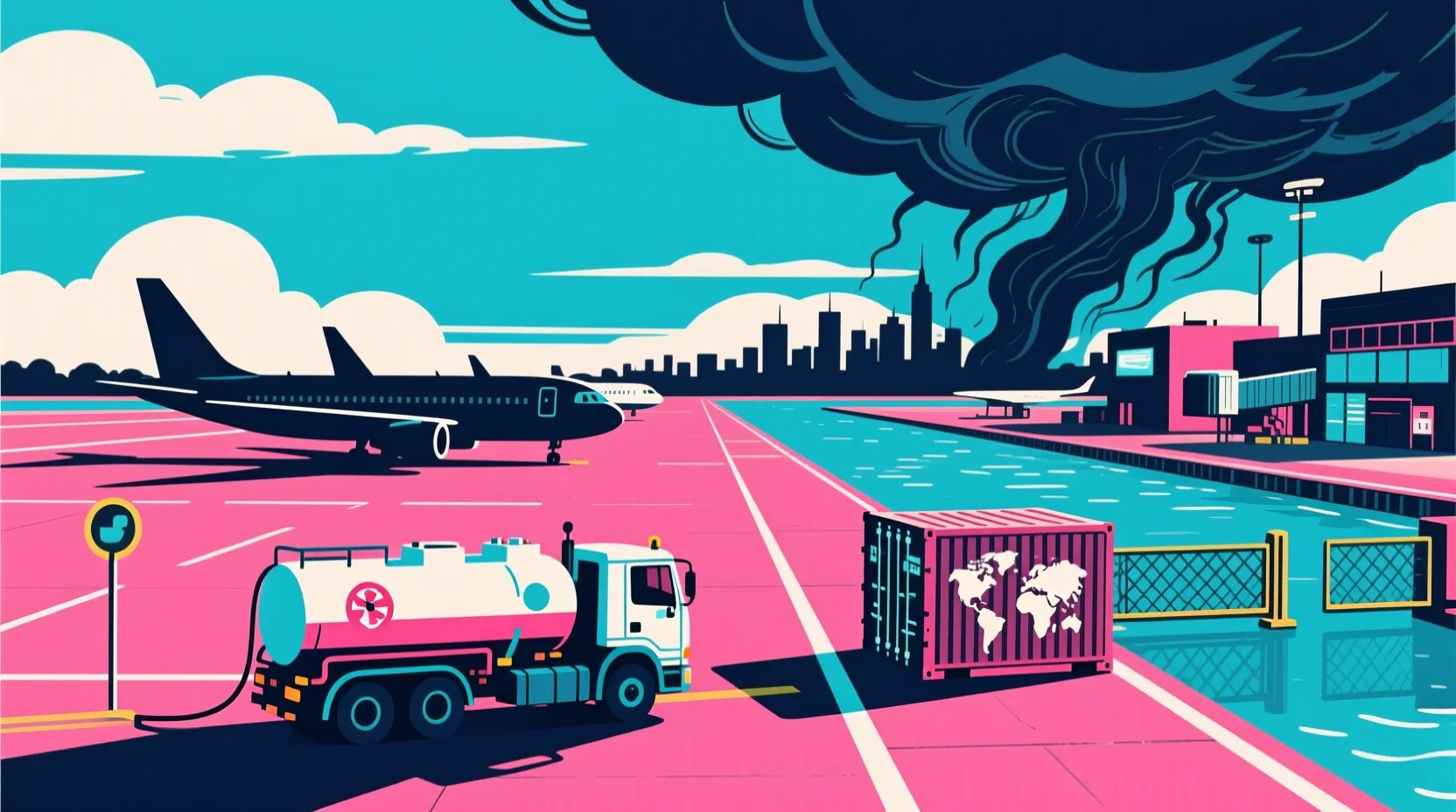
The war in Iran is on hold, but the global economy is still on edge
Even with a ceasefire, the damage to trade and energy markets lingers.
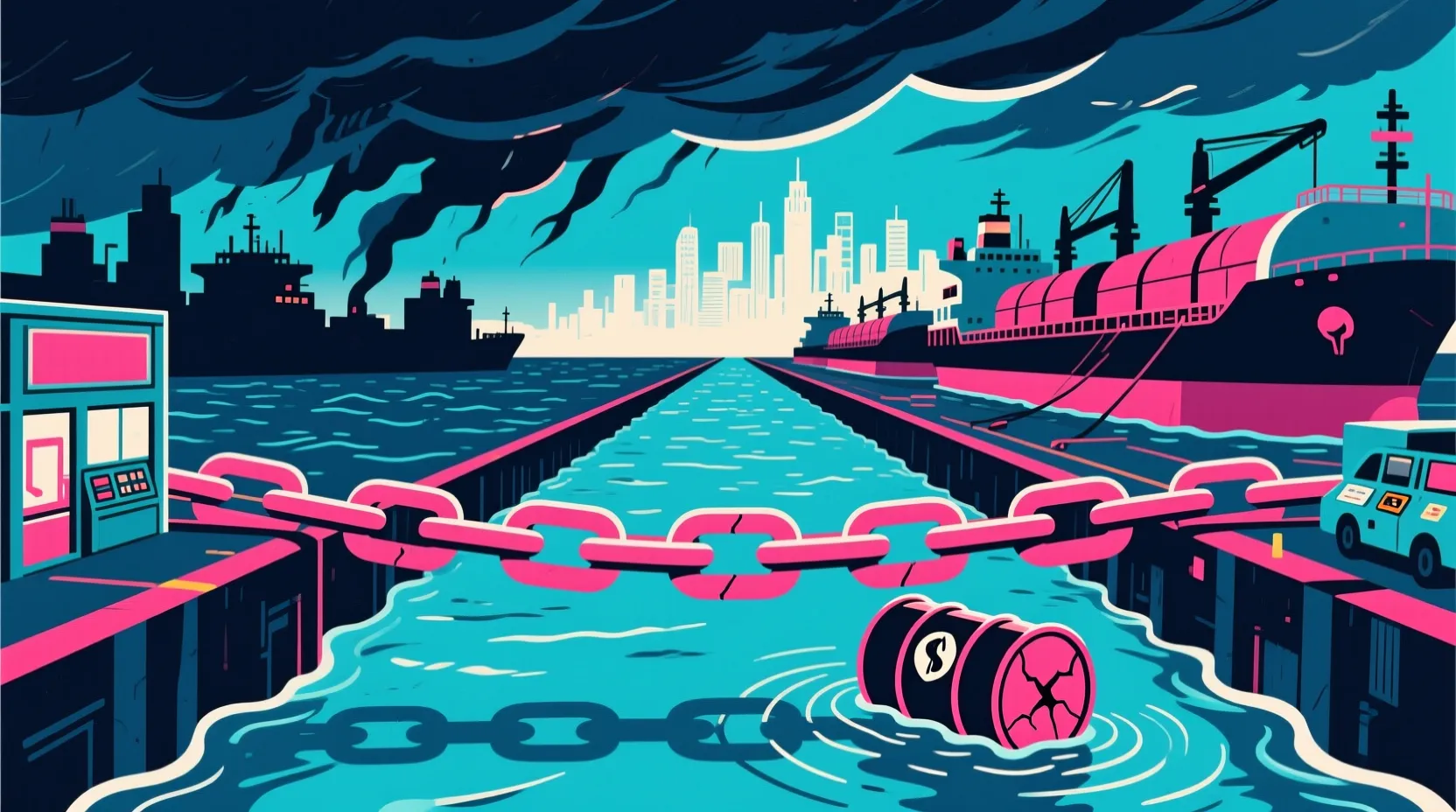
Across the spectrum
What people are saying
A quick look at how the same story is being framed from different angles.
On the Left
The crisis shows how military entanglements in the Middle East continue to endanger not just lives but livelihoods. Instead of reacting to each flare-up, the U.S. should accelerate its shift to renewable energy and reduce its strategic dependence on volatile regions.
In the Center
While the ceasefire has helped, markets remain sensitive to geopolitical risk. The economic fallout underscores the need for both diplomatic engagement and diversified energy strategies to build long-term resilience.
On the Right
The episode highlights the importance of maintaining strong military deterrence. A firm stance prevented a longer conflict, and the focus should remain on protecting American interests abroad, not retreating from global commitments.
Full coverage
What you should know
For a few tense weeks, the world held its breath as Iran closed the Strait of Hormuz in March 2026, cutting off one of the most critical oil shipping lanes on the planet. Though a ceasefire has now paused direct conflict between the U.S. and Iran, the economic tremors haven't faded. The closure, even temporary, sent oil and gas prices soaring, disrupted global shipping, and exposed just how fragile energy supply chains remain in times of geopolitical stress.
The Strait of Hormuz handles about a fifth of the world's oil, and its blockage meant tankers were rerouted or delayed for days, sometimes weeks. That bottleneck pushed crude prices above $110 a barrel at one point, with ripple effects felt at gas stations from Europe to Asia. Even though flows have resumed, markets remain jittery. Analysts say it could take months for confidence to fully return, especially with tensions still simmering beneath the surface.
Meanwhile, investors are adjusting to a new kind of uncertainty-one defined less by active war and more by the threat of its return. Bloomberg reports that dividend-rich telecommunications and tech stocks are seeing a surge in interest, as traders look for stability amid global chaos. These sectors, once seen as slow growers, are now being treated like safe harbors, a shift that reflects broader unease about long-term economic resilience.
The Federal Reserve and other central banks are watching closely. While inflation had been cooling through early 2026, the spike in energy costs threatens to reverse that trend. Some economists warn that if insurance rates for shipping stay high or if companies begin stockpiling fuel as a hedge, the impact could linger well beyond the ceasefire.
On the diplomatic front, officials from several nations are pushing for a lasting agreement to prevent future disruptions. But trust is thin. Iran has not backed down from its stance that it will act unilaterally if it feels threatened, and U.S. military presence in the Gulf remains elevated. That means the risk premium built into oil prices isn't likely to disappear anytime soon.
Back in the U.S., the debate over foreign policy and economic security has reignited. Some argue that overreliance on Middle Eastern oil continues to expose the economy to avoidable shocks. Others stress the need for stronger alliances and faster crisis response. What's clear is that even a short conflict, or the threat of one, can have long financial tails.
For now, the guns are quiet. But in boardrooms, trading floors, and energy ministries, the conversation hasn't moved on. The pause in fighting may be a relief, but it's not the same as stability-and the global economy knows the difference.
About this author
Zwely News Staff compiles multi-source reporting into concise, viewpoint-aware coverage for readers who want context without noise.
Source Notes
The war is on hold. But the economy is still in danger.
For months, America’s war with Iran has been slowly suffocating the global economy. In March, Iran closed the Strait of Hormuz — the narrow waterway that links the Persian Gulf’s oil reserves to global markets. As a result, energy prices st...
Global Chaos, AI Fears Help Tech’s Dividend Stocks
An uncertain economy and dangerous geopolitical backdrop have investors buying into technology’s most popular haven trade: dividend-rich telecommunications stocks.
The War in Iran Is Safer for Americans Than a Month on the Streets in Chicago
The War in Iran Is Safer for Americans Than a Month on the Streets in Chicago
Previous story
Democrats make gains in Wisconsin while Republicans hold Georgia, setting up a tense 2026
Next story