
Trump is sending JD Vance to Pakistan to talk with Iran about a ceasefire
The vice president is stepping into high-stakes diplomacy as the US tries to ease tensions in the Middle East
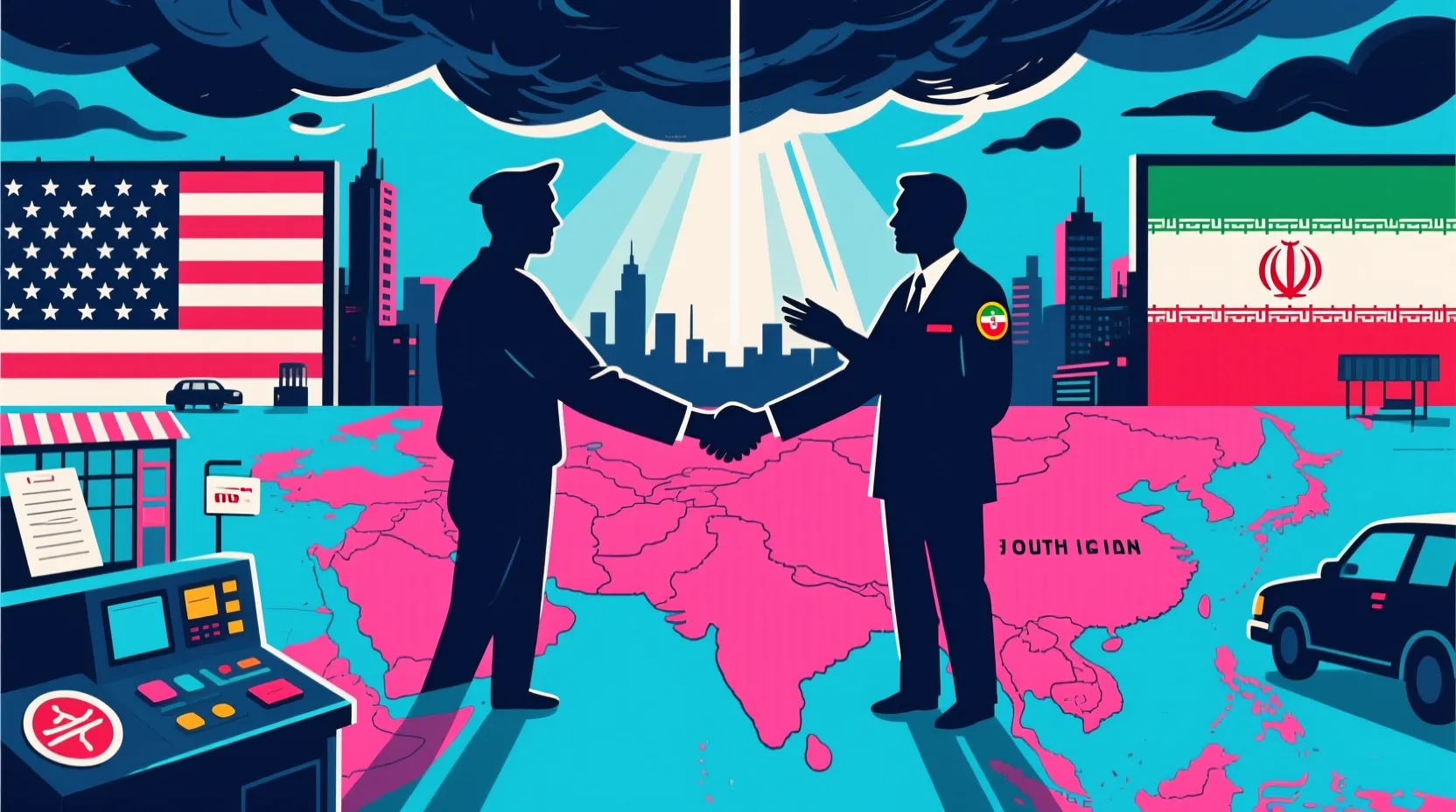
At a glance
What matters most
- JD Vance will lead US talks with Iran in Pakistan starting Saturday, aiming to solidify a recent ceasefire
- China helped broker early discussions, giving Beijing new diplomatic leverage in the region
- The negotiations happen amid deep mistrust and ongoing regional instability
- Critics question the timing and sincerity of the US diplomatic push
Across the spectrum
What people are saying
A quick look at how the same story is being framed from different angles.
On the Left
This diplomatic move feels long overdue. After years of military-first policies, the US is finally trying dialogue-but only after the damage is mostly done. China's quiet success shows that steady, behind-the-scenes diplomacy works better than bluster. The real story isn't the talks themselves, but why they didn't happen sooner.
In the Center
Sending the vice president signals seriousness, and using Pakistan as a neutral host makes strategic sense. The involvement of multiple global players, including China, reflects today's complex reality. Success isn't guaranteed, but showing up is better than standing by.
On the Right
Trump is taking bold action where others hesitated. By sending JD Vance, he's showing strength through diplomacy, not weakness. The fact that Iran agreed to talk at all is a win. Meanwhile, China's role should be watched closely-this isn't cooperation, it's competition in disguise.
Full coverage
What you should know
US Vice President JD Vance is heading to Islamabad this weekend to lead direct talks with Iranian officials, marking a significant moment in efforts to stabilize the Middle East. The White House confirmed the trip Wednesday, saying the goal is to build on a recently agreed ceasefire that has, so far, held in key conflict zones. The choice of Pakistan as a neutral venue adds a regional dimension, with Islamabad quietly positioning itself as a diplomatic bridge.
The talks come after weeks of escalating tensions, including drone strikes, naval skirmishes, and threats of broader conflict. While the ceasefire has quieted the front lines, trust between Washington and Tehran remains paper-thin. Officials from both sides are expected to discuss not only military de-escalation but also the release of detained citizens and limits on nuclear activities. Still, past negotiations have collapsed under similar pressure, and few expect quick breakthroughs.
One unexpected winner in the lead-up has been China. Analysts say Beijing played a behind-the-scenes role in convincing Iran to return to talks, using economic ties and regional influence to open the door. While the US still leads the diplomatic charge, China's involvement signals a shift: major global agreements may no longer happen without Beijing at the table. Some experts describe it as less a triumph and more a reflection of America's waning unilateral leverage.
Back in Washington, reactions are split. Supporters see the talks as a necessary step to avoid another war. Critics, including some within the administration, question why high-level diplomacy waited until after the worst violence. Late-night host Jimmy Kimmel mocked the timing, quipping that the US is "discovering diplomacy right when the fire's almost out." His joke landed with some, but also highlighted public fatigue with reactive foreign policy.
Meanwhile, President Trump has been vocal about broader alliances, recently criticizing NATO in unusually sharp terms after a closed-door meeting with its secretary-general. That tension, paired with the Iran push, paints a picture of a foreign policy in flux-leaning on old alliances while scrambling to manage new threats. Sending the vice president to lead such a sensitive mission underscores how high the stakes are.
Pakistan's role as host adds another layer. By offering neutral ground, Islamabad gains diplomatic visibility without taking sides. Regional players are watching closely-especially Saudi Arabia, Israel, and India-each with their own interests in how close the US and Iran might come to a deal.
As Saturday's talks approach, the mood is cautious. A lasting ceasefire would be a win for everyone, but the path to one is still narrow. With Vance at the table, the US is betting that high-level attention can make a difference. Whether it's enough to overcome decades of mistrust remains to be seen.
About this author
Zwely News Staff compiles multi-source reporting into concise, viewpoint-aware coverage for readers who want context without noise.
Source Notes
Editor Daily Rundown: JD Vance To Lead Talks With Iran In Pakistan
BREAKING WEDNESDAY ... JD VANCE WILL LEAD NEGOTIATIONS WITH IRAN IN PAKISTAN ON SATURDAY
Trump sending US VP Vance to Pakistan for Iran talks
US President Donald Trump is sending Vice President JD Vance and other negotiators to the Pakistani capital for talks with Iran that will begin on Saturday, the White House said. FRANCE 24's Fraser Jackson reports from Washington.
Trump lashes out at crumbling NATO alliance following 'frank' closed-door meeting
President Donald Trump continues to bash NATO after meeting behind closed doors with Secretary-General Mark Rutte, further signaling that the alliance could be crumbling. Trump has long been critical of NATO, claiming that allies routinely...
US-Iran talks in Pakistan: Who’s attending, what’s on the agenda?
Islamabad hosts negotiations as US and Iran seek off-ramp. But deep mistrust and regional tensions threaten talks.
Who can claim victory if Iran ceasefire holds? An early winner is China
Beijing’s powerbrokers are credited with winning Iran over, although one analyst says they were ‘pushing an open door’Middle East crisis – live updatesAs the world struggles to make sense of what, if anything, was achieved by the ceasefire...
Jimmy Kimmel Spells Out Why Trump's Iran Negotiations Won't Work In 1 Brutal Dig
The late night host turned the Trump administration into a punch line, and the joke seemed to go right over his audience members' heads.
Previous story
A small Wisconsin town just put voters in charge of data center plans
Next story