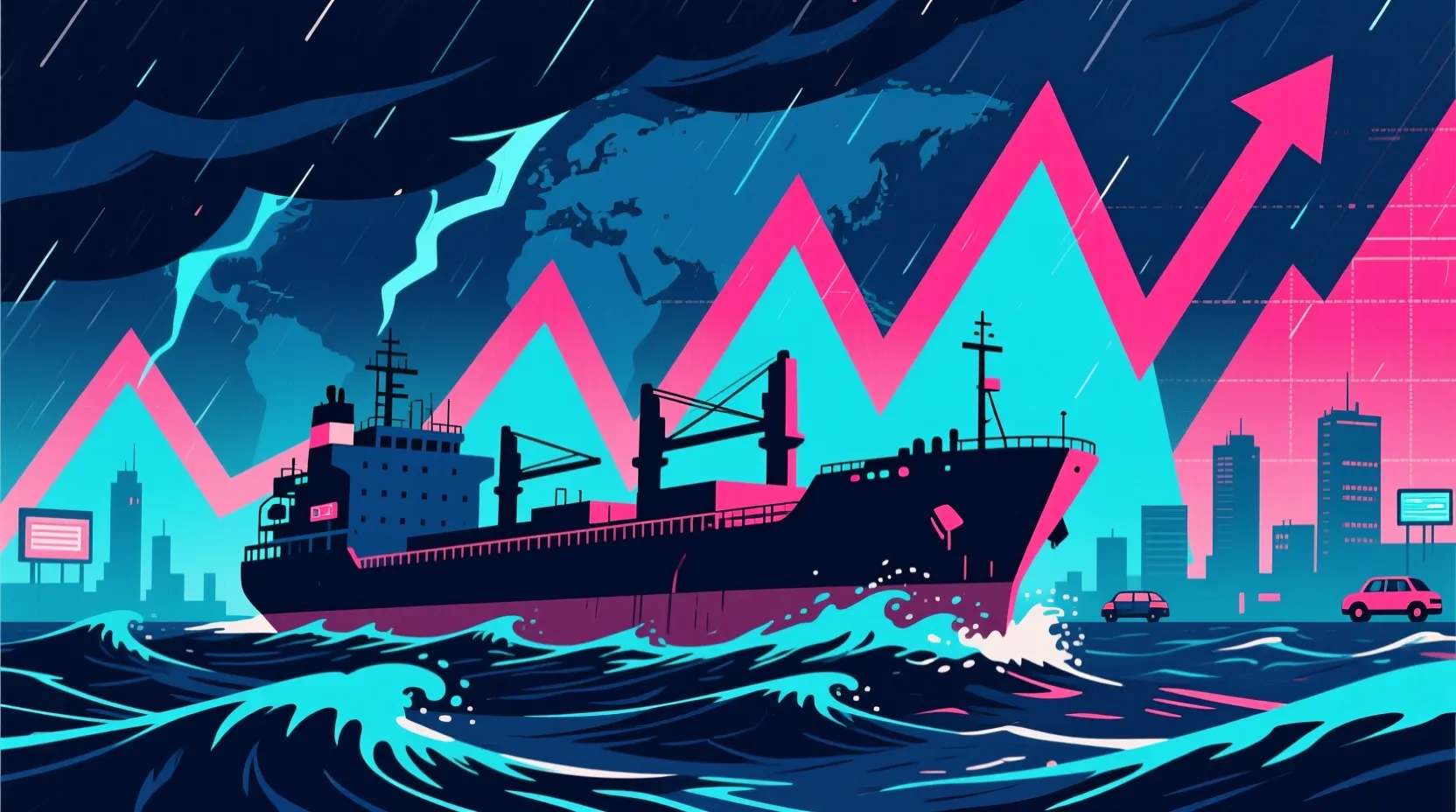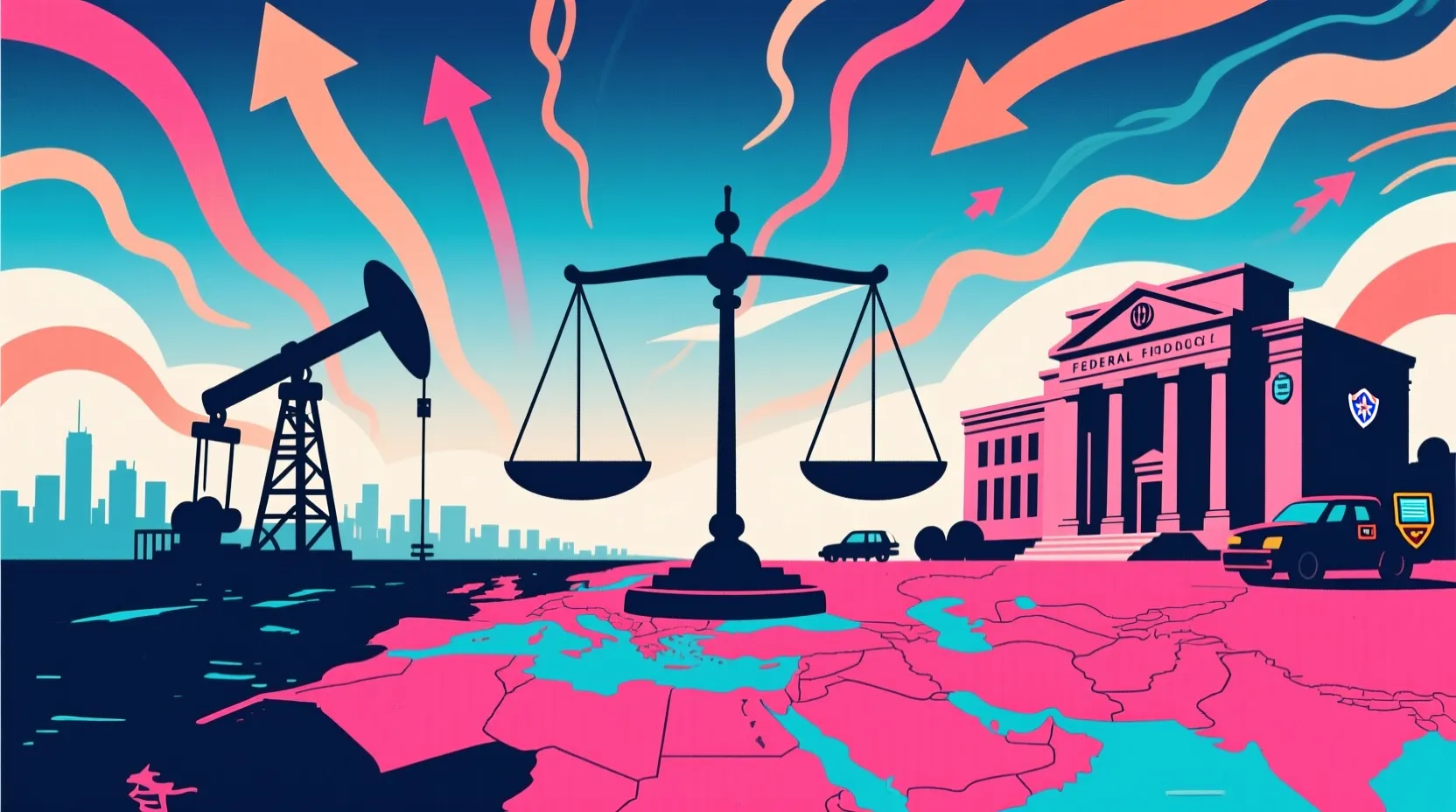
Trump moves to block Iranian oil exports with port blockade
The U.S. is tightening pressure on Iran's oil flow, but markets and allies are scrambling to adjust
At a glance
What matters most
- The U.S. has begun blocking Iranian ports in an effort to cut off oil exports and force diplomatic concessions.
- Trump says Iran can still negotiate a deal, suggesting the blockade may be a lever, not an irreversible step.
- China's refiners are shielded for now by large reserves of Iranian crude stored on tankers and on land.
- Separate reports suggest U.S. pressure is also targeting Chinese port access in Europe, raising broader trade concerns.
Across the spectrum
What people are saying
A quick look at how the same story is being framed from different angles.
On the Left
This blockade risks spiraling into a wider conflict without a clear diplomatic strategy or congressional oversight. While pressuring Iran's government is valid, military escalation benefits hawkish interests more than it advances peace. The focus should be on reviving diplomacy, not coercive tactics that could hurt civilians and raise oil prices globally.
In the Center
The blockade is a high-stakes pressure tactic that could force Iran to negotiate, but it also carries significant risks. If not paired with a viable diplomatic off-ramp, it may provoke retaliation or disrupt global energy markets. Success depends on coordination with allies and maintaining flexibility to de-escalate when needed.
On the Right
Strong action is necessary to counter Iran's nuclear ambitions and regional aggression. Previous administrations relied too much on talks that led nowhere. Trump's decisive move cuts off Tehran's funding and shows U.S. resolve, which may be the only language the regime truly understands.
Full coverage
What you should know
The United States has moved to blockade Iranian ports, marking a significant escalation in its campaign to pressure Tehran over its nuclear program and regional activities. Now in its 46th day, the standoff has shifted from threats and sanctions to direct maritime enforcement. President Trump confirmed the action but emphasized that diplomacy remains possible, saying Iran still has a path to a negotiated settlement if it changes course.
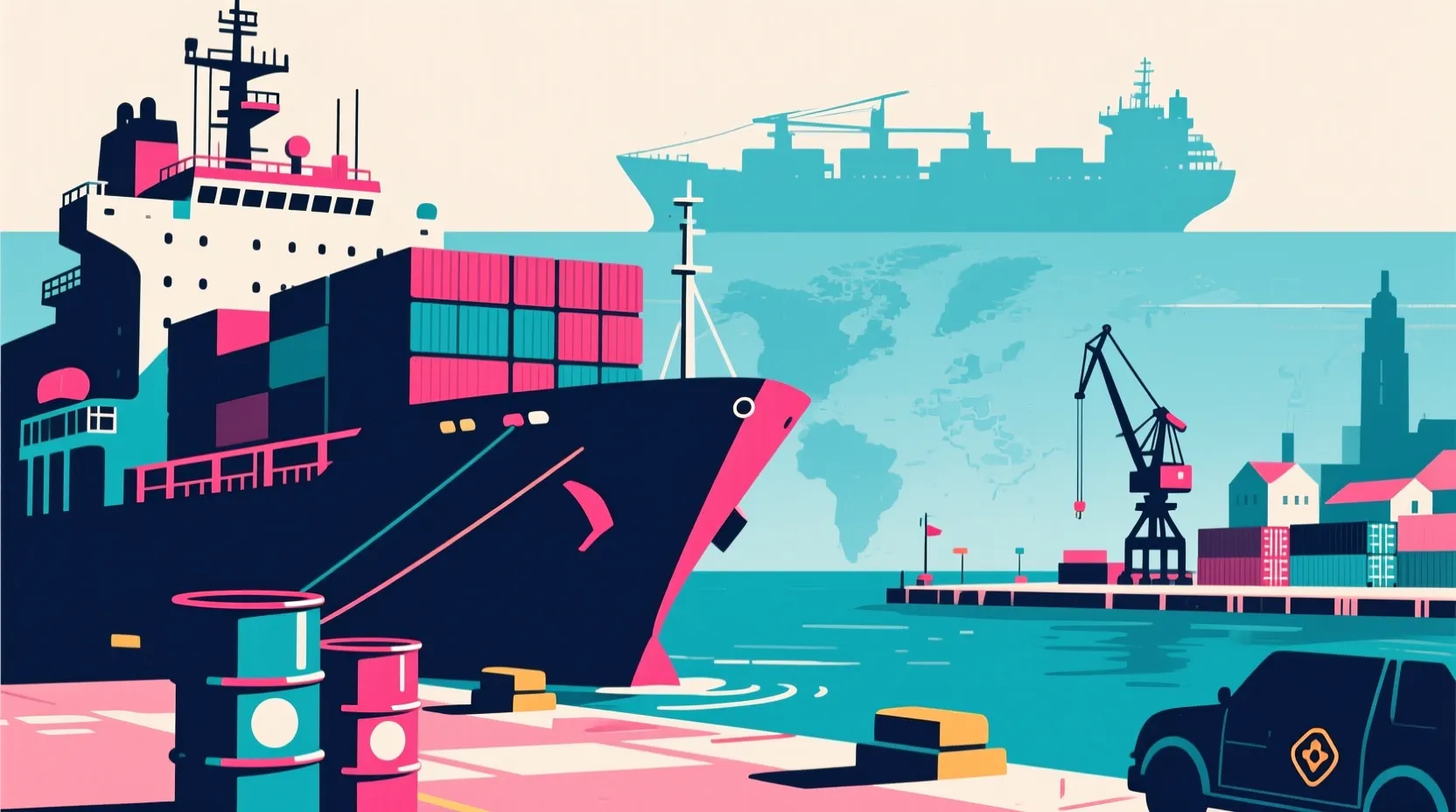
The blockade aims to halt the flow of Iranian oil, a critical source of revenue for the government in Tehran. U.S. naval forces are reportedly monitoring and intercepting vessels suspected of carrying Iranian crude, particularly near the Persian Gulf. While the Strait of Hormuz has long been a flashpoint, this move extends beyond the chokepoint to target loading operations at Iranian ports themselves, making it harder for oil to even reach the water.
Despite the pressure, the immediate economic shock may be blunted. According to Bloomberg, Chinese independent refiners-major buyers of Iranian oil-are insulated for now. They've built up substantial onshore reserves and are benefiting from a fleet of tankers holding Iranian crude at sea, effectively creating a floating buffer. This stockpiling suggests some foresight into potential supply disruptions and could delay the full impact of the blockade.
Meanwhile, reports from Greece point to wider U.S. strategy on global shipping lanes. A Greek official, speaking anonymously, claimed that U.S. diplomatic efforts led by Trump and adviser Kimberly Guilfoyle have curtailed Chinese influence at a key Mediterranean port-sometimes called the 'gateway to Europe.' Though details are sparse, the account implies a coordinated effort to limit China's maritime reach beyond the Middle East, tying energy security to broader geopolitical competition.
Analysts are watching how Iran responds. Previous confrontations in the region have seen Tehran use proxy forces, cyber operations, or threats to close the Strait of Hormuz in retaliation. So far, Iranian officials have issued strong statements but stopped short of military action. The coming days may test whether the current leadership sees negotiation as more viable than escalation.
The move has drawn mixed reactions. Supporters argue it applies necessary pressure on a regime they view as destabilizing. Critics warn it risks miscalculation in a volatile region and could spike global oil prices if not carefully managed. With markets on edge and allies recalibrating, the blockade is as much a test of U.S. influence as it is of Iranian resolve.
For now, the situation remains tense but contained. Trump's signal that talks are still possible may be intended to give Tehran a way out without losing face. Whether that opening leads to talks-or gives way to further confrontation-will likely shape the next phase of this crisis.
About this author
Zwely News Staff compiles multi-source reporting into concise, viewpoint-aware coverage for readers who want context without noise.
Source Notes
Iran war: What is happening on day 46 of the US-Iran conflict?
The US started a blockade on Iranian ports, but Trump said there is still a chance for Tehran to reach a deal.
Trump Launches a Blockade of Iranian Ports
What are the repercussions?
Iran Oil Hoard at Sea Shields China’s Refiners From US Blockade
A hoard of Iranian crude on tankers at sea and robust onshore stockpiles in China will provide a cushion for the nation’s independent refiners should a US blockade of the Strait of Hormuz choke off flows.
Exclusive — Waterway Wars: Greek Official Reveals How Trump, Guilfoyle Severed China’s ‘Dragon’s Head’ Port Advantage in 'Gateway to Europe’
The Strait of Hormuz in the Middle East is hardly the only waterway on President Donald Trump’s mind worldwide at the moment. The post Exclusive — Waterway Wars: Greek Official Reveals How Trump, Guilfoyle Severed China’s ‘Dragon’s Head’ Po...
Previous story
Hezbollah says it won't follow any deal from Lebanon-Israel talks in the US
Next story