
Trump says gas prices could go up by the midterms as tensions flare near the Strait of Hormuz
Oil jumped to over $104 a barrel after the U.S. moved to block shipping through a key global chokepoint
At a glance
What matters most
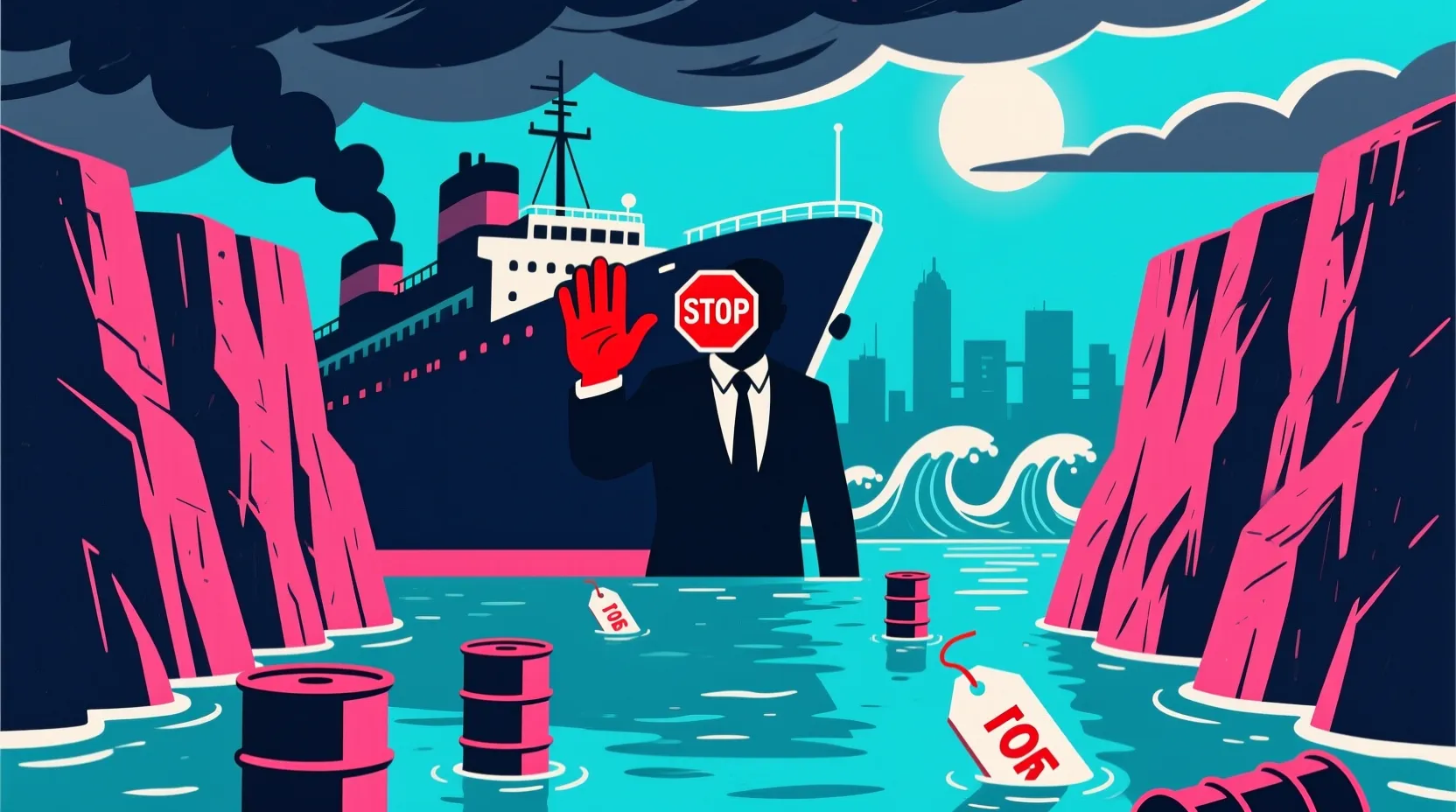
- U.S. forces began blocking ships from passing through the Strait of Hormuz over the weekend, spiking global oil prices.
- Crude oil surged nearly 8% to $104 per barrel, raising the likelihood of higher gas prices for American drivers.
- Trump said prices at the pump could be 'the same or a little bit higher' by the midterms, downplaying long-term concerns.
- The Strait is a critical route for about 20% of the world's oil, and Iran relies heavily on it for exports.
Across the spectrum
What people are saying
A quick look at how the same story is being framed from different angles.
On the Left
This move appears less about national security and more about creating a crisis that distracts from domestic issues. Blocking a major oil route risks punishing everyday Americans with higher prices while escalating tensions with little clear diplomatic strategy. It also raises ethical concerns if political calculations are driving military decisions.
In the Center
The blockade is a high-stakes tool that could pressure Iran but carries significant economic and geopolitical risks. While it may serve short-term strategic goals, the impact on global oil markets and U.S. consumers needs careful management. Diplomatic alternatives should remain a priority to avoid long-term fallout.
On the Right
Taking a hard line on Iran protects U.S. interests and sends a strong message that sanctions will be enforced. If higher gas prices are the cost of preventing hostile regimes from funding aggression, then it's a price worth paying. Strong leadership sometimes means making tough calls, even before an election.
Full coverage
What you should know
The U.S. has begun restricting vessel traffic through the Strait of Hormuz, a narrow waterway linking the Persian Gulf to the open ocean, sending shockwaves through global energy markets. The move, confirmed Monday, came after peace talks with Iran collapsed over the weekend. As a result, U.S. crude oil prices jumped nearly 8%, reaching $104 a barrel-the highest level in over a year.
Trump addressed the spike in energy costs during a brief appearance at the White House, telling reporters that gas prices by the upcoming midterm elections 'could be the same, or a little bit higher.' He framed the action as a necessary step to pressure Iran, which exports about 1.85 million barrels of oil per day through the strait. 'We're protecting American interests,' he said. 'And we're making sure bad actors don't take advantage.'
The Strait of Hormuz is one of the world's most critical energy chokepoints. About one-fifth of all globally traded oil passes through it, making any disruption a major concern for economies worldwide. Shipping analysts say the U.S. blockade is currently selective, targeting vessels suspected of carrying Iranian oil, but the broader risk of escalation has traders on edge.
At the pump, Americans haven't seen major price jumps yet, but economists warn it's only a matter of time. 'When crude hits $104, retail gas follows,' said Maria Lopez, an energy analyst at Clearline Economics. 'We could see national averages rise above $3.80 a gallon in the next few weeks, especially if the situation drags on.'
The timing puts pressure on voters ahead of the midterms, where inflation and energy costs are expected to be key issues. The Biden administration has not issued a formal statement, but senior officials are said to be monitoring the situation closely. Some lawmakers from both parties have expressed concern that the move could backfire, hurting U.S. consumers more than it pressures Iran.
Meanwhile, Iran has vowed to respond, calling the blockade 'an act of economic warfare.' Regional allies, including Saudi Arabia and the UAE, have urged caution, while European nations are calling for renewed diplomacy. With tensions high and oil markets jittery, the coming weeks could test both geopolitical and economic stability.
For American drivers, the immediate takeaway is simple: fill-up costs may rise. Whether the policy delivers on its strategic goals-or becomes a political liability-remains to be seen.
About this author
Zwely News Staff compiles multi-source reporting into concise, viewpoint-aware coverage for readers who want context without noise.
Source Notes
Trump says gas prices 'could be the same' or 'a little bit higher' by the midterms
The U.S. began blocking ships through the Strait of Hormuz on Monday, sending oil prices surging after peace talks failed over the weekend.
Oil prices surge as Trump vows to block the Strait of Hormuz
US crude oil prices surged nearly 8%, reaching US$104 per barrel, as concerns grow over a potential US blockade of the Strait of Hormuz. In March, Iran exported around 1.85 million barrels of crude per day through the strait. Meanwhile, Hun...
Trump family deal spree could open door for future presidents to profit from office
For decades, presidents avoided even the appearance of profiting from their office.
Previous story
A flare-up near the Strait of Hormuz is putting global markets on edge
Next story