Trump's push on Iran is hitting turbulence at home and abroad
Even as the administration leans into economic pressure on Tehran, approval ratings are slipping and allies are showing cracks.
At a glance
What matters most
- Iran has seized multiple cargo ships in the Strait of Hormuz, escalating tensions despite Trump's push for a ceasefire.
- Turkey's financial networks are helping Iran bypass U.S. sanctions, weakening the impact of economic pressure.
- Trump's net approval rating on the economy and overall job performance has hit a new low for his second term, per a CNBC survey.
- The administration is relying on economic intelligence to shape its dual strategy on Iran and China.
Across the spectrum
What people are saying
A quick look at how the same story is being framed from different angles.
On the Left
Trump's aggressive economic campaign against Iran is backfiring, fueling instability without a clear diplomatic endgame. The seizure of ships shows that coercion isn't working, and relying on allies like Turkey - with their own economic interests - makes the strategy even weaker. Meanwhile, falling approval ratings suggest the public is tired of foreign crises driving up costs at home.
In the Center
The administration is trying to balance pressure and diplomacy with Iran, but recent events are undermining that effort. Sanctions have limits, especially when enforcement depends on other countries. The drop in approval ratings reflects broader concerns about economic fallout from geopolitical tensions, not just disapproval of policy.
On the Right
Trump is standing firm against a hostile regime, using economic tools to avoid another war. The problem isn't the strategy - it's unreliable partners like Turkey enabling Iran's evasion of sanctions. Critics forget that maintaining pressure is necessary, even when the news cycle focuses on setbacks.
Full coverage
What you should know
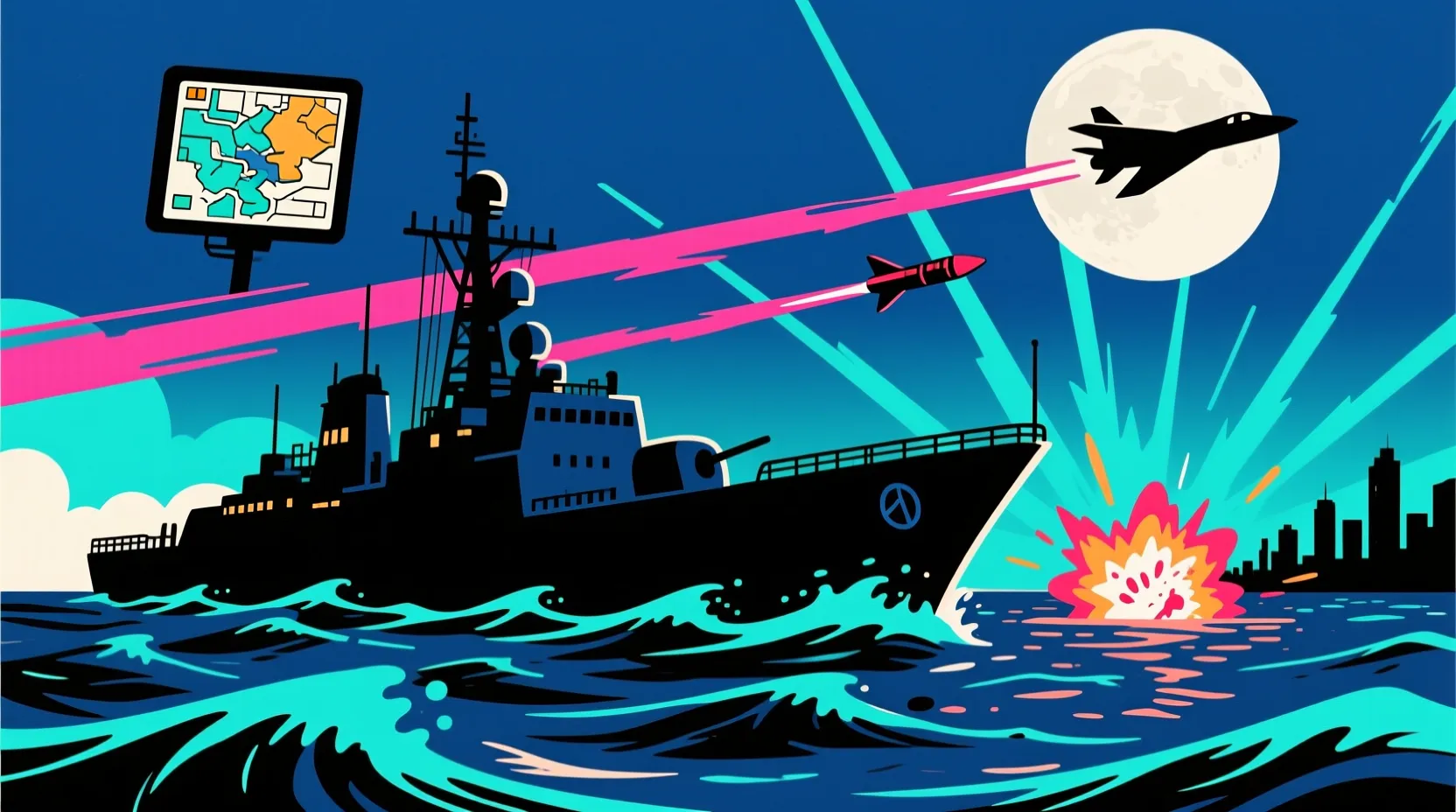
President Donald Trump's hardline approach to Iran is running into trouble on several fronts. While the White House continues to emphasize economic pressure as the path to a negotiated deal, events on the ground are moving in the opposite direction. Iranian state media recently released footage showing the seizure of several commercial vessels in the Strait of Hormuz - a key global oil route - rattling shipping markets and raising doubts about the stability of any diplomatic progress.
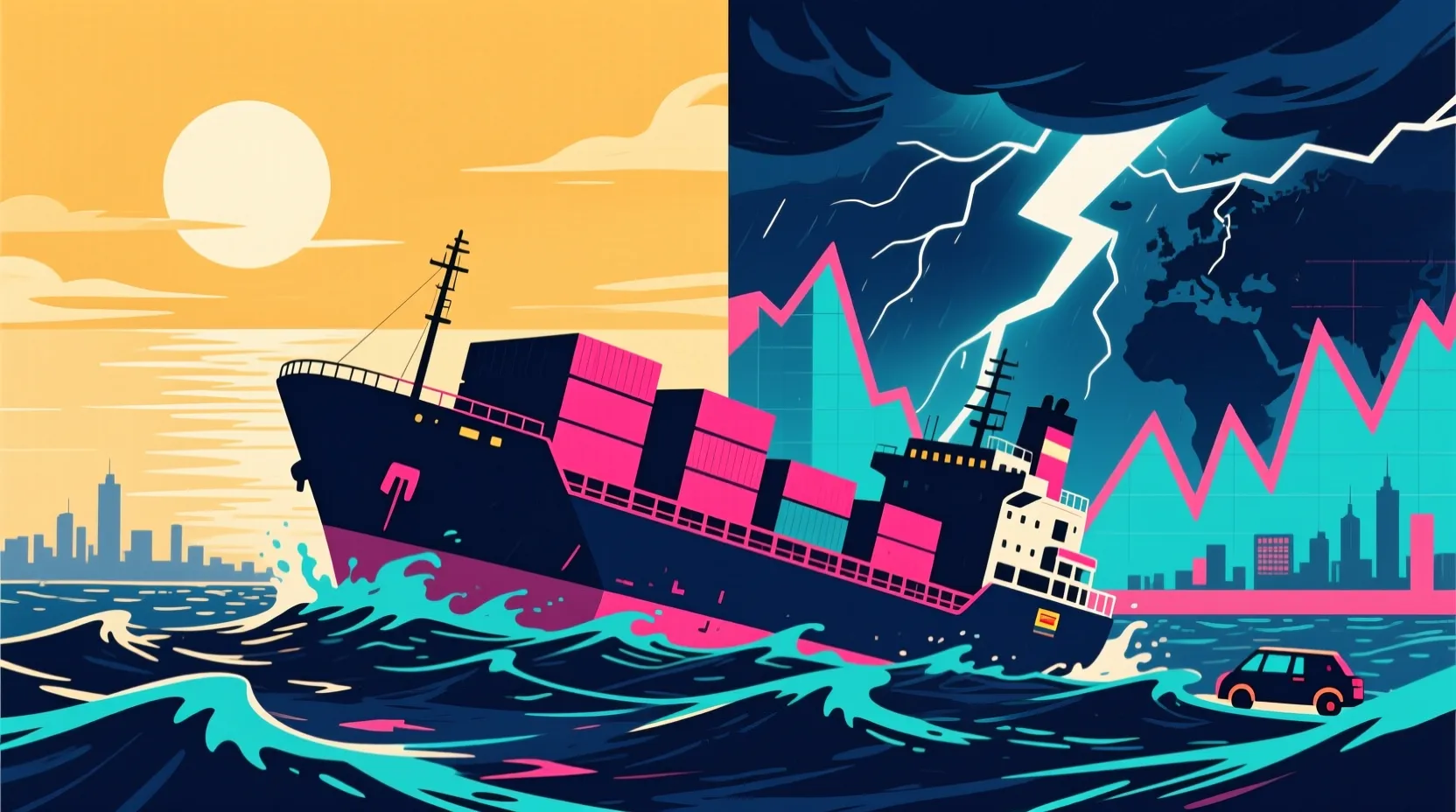
The seizures come just as Trump has been touting a potential breakthrough in negotiations. But instead of de-escalating, Iran appears to be testing U.S. resolve, using maritime confrontations to signal strength. The timing is awkward for the administration, which has staked credibility on managing both conflict and economic stability. The disruptions add to shipping costs and insurance premiums, with ripple effects felt across global supply chains.
Meanwhile, enforcement of sanctions is proving uneven. Turkey, a NATO ally, remains a critical weak point in the U.S. campaign. Banks and trade networks there continue to facilitate financial flows to Iran, allowing Tehran to access hard currency and essential goods. Analysts at the National Review argue that without stronger Turkish cooperation, the economic squeeze on Iran will remain porous, no matter how aggressive U.S. policies become.
At home, public support for Trump's handling of the economy - long his strongest political asset - is eroding. The latest CNBC All-America Economic Survey shows his net approval rating on economic issues has fallen to its lowest point since he resumed office. Voters appear increasingly uneasy about inflation, trade disruptions, and the cost of foreign confrontations. The drop is especially notable among independents and suburban voters, groups that were once more receptive to his messaging.
Behind the scenes, the administration is leaning more heavily on economic intelligence to guide its strategy. Reports suggest that data on Iranian financial networks and Chinese trade patterns are shaping decisions on sanctions, tariffs, and diplomatic outreach. The Washington Examiner notes that this intelligence-driven model is meant to make pressure campaigns more precise, avoiding broad economic shocks while targeting key regime vulnerabilities.
Still, the gap between strategy and outcome is widening. Even if the intent is to avoid military conflict, the current approach risks entrenching a cycle of provocation and response. Shipping firms are rerouting vessels, energy markets are jittery, and allies are hesitant to fully align with U.S. goals. The longer this continues, the harder it becomes to claim that economic pressure alone is working.
With approval ratings slipping and tensions flaring, the administration faces a narrowing window to show tangible progress. Diplomacy, sanctions, and maritime security are all under strain - and the costs are being tallied not just in headlines, but in public trust and global markets.
About this author
Zwely News Staff compiles multi-source reporting into concise, viewpoint-aware coverage for readers who want context without noise.
Source Notes
Trump's net approval rating on economy and overall falls to lowest of his two terms, CNBC survey shows
President Donald Trump's overall — and economic — approval ratings plunged in the latest CNBC All-America Economic Survey.
Iran Seizes Several Cargo Ships After Trump Extends Ceasefire
As President Donald Trump pushes for a peace deal with Iran, the battle is continuing over the Strait of Hormuz after Iranian state media published a highly produced video that it claimed showed the interception and seizure of two cargo shi...
Turkey Is the Weak Link in Trump’s Economic War on Iran
The nation’s regulatory and commercial environment remains a critical conduit for Tehran.
Economic intelligence on Iran and China is shaping Trump’s strategy
In Focus delivers deeper coverage of the political, cultural, and ideological issues shaping America. Published daily by senior writers and experts, these in-depth pieces go beyond the headlines to give readers the full picture. You can fin...
Previous story
John Phelan is out as Navy secretary, caught in a wave of military leadership changes
Next story