
A Chinese oil tanker got through the US blockade in the Strait of Hormuz, raising tensions
The move has sparked global concern over energy supplies and military escalation in a key waterway
At a glance
What matters most
- A Chinese oil tanker broke through a US-enforced blockade in the Strait of Hormuz, a major chokepoint for global oil shipments
- China called the blockade 'dangerous and irresponsible,' warning it could disrupt global energy markets
- The incident has raised fears of escalating military tensions and broader economic fallout
- US forces are reportedly prepared to board vessels, heightening the risk of direct confrontation
Across the spectrum
What people are saying
A quick look at how the same story is being framed from different angles.
On the Left
The US blockade risks fueling a global economic crisis and reflects an outdated approach to foreign policy. By unilaterally enforcing sanctions through military means, the US is endangering fragile supply chains and disproportionately hurting lower-income countries that rely on stable energy prices. Diplomacy, not naval posturing, should guide international disputes.
In the Center
While the US has legitimate security concerns, enforcing a blockade in such a critical waterway carries serious risks. The situation demands careful calibration-balancing enforcement goals with the need to maintain open shipping lanes. The incident highlights the challenge of managing strategic competition without triggering unintended escalation.
On the Right
The US has a responsibility to protect global energy security and counter malign actors in key regions. China's defiance shows why a strong military presence is necessary to uphold international rules. Allowing unfettered transit for sanctioned shipments undermines national security and rewards aggressive state behavior.
Full coverage
What you should know
A Chinese oil tanker has navigated through the Strait of Hormuz in defiance of a US naval blockade, marking a significant escalation in a growing geopolitical standoff. The narrow waterway, which connects the Persian Gulf to the Arabian Sea, handles about a fifth of the world's oil supply, making any disruption there a potential trigger for global market shocks.
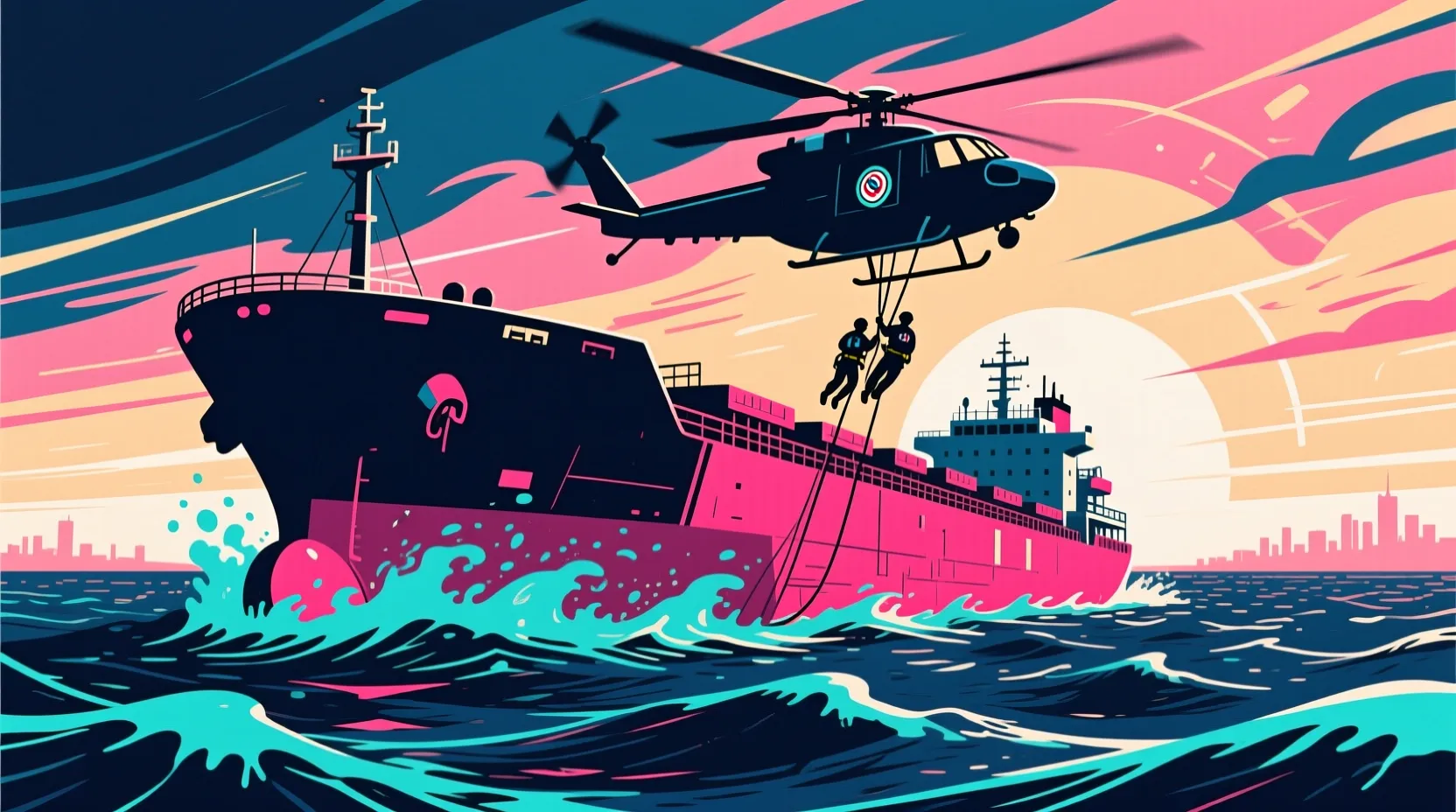
According to reports, US forces had begun intercepting and inspecting vessels in the strait, with plans to deploy personnel from helicopters to board ships suspected of carrying sanctioned cargo. The move was framed as part of a broader effort to enforce energy-related sanctions, though the specific targets have not been fully disclosed. The Chinese tanker's passage suggests either a failure of enforcement or a deliberate decision not to escalate by intercepting that particular vessel.
China's Ministry of Foreign Affairs responded swiftly, calling the blockade 'dangerous and irresponsible.' A spokesperson emphasized that unilateral actions in international waters threaten the stability of global trade and could provoke unintended consequences. The statement underscored Beijing's reliance on uninterrupted oil flows from the Middle East and its growing willingness to challenge US maritime authority.
Other nations have also voiced concern. Leaders from several European and Asian countries warned that the blockade could worsen inflation and energy insecurity, particularly in regions already struggling with economic recovery. The Financial Times noted that shipping companies are reconsidering routes, with some considering longer, costlier paths around Africa to avoid the area altogether.
Military analysts say the situation remains volatile. While no direct clash occurred during the tanker's transit, the readiness of US forces to board vessels increases the chance of a confrontation, especially if a crew resists. The presence of naval assets from multiple countries in the region adds another layer of complexity, with even a minor incident potentially spiraling.
The Strait of Hormuz has long been a flashpoint, but the current standoff reflects deeper shifts in global power dynamics. As China expands its influence in energy markets and strengthens ties with Gulf producers, its willingness to test US-led maritime controls signals a new phase in strategic competition.
For now, markets are watching closely. Oil prices ticked upward following news of the incident, and shipping insurers are reassessing risk premiums for vessels transiting the region. With diplomatic channels still open but under strain, the coming days could determine whether this episode fades into a tense footnote or becomes the start of a broader crisis.
About this author
Zwely News Staff compiles multi-source reporting into concise, viewpoint-aware coverage for readers who want context without noise.
Source Notes
Chinese oil tanker breaks US blockade in Strait of Hormuz
World leaders say that the U.S. blockade will only deepen economic woes worldwide
How the US can blockade the Strait of Hormuz
US forces will be ready to descend from helicopters on to oil tankers
China calls US Hormuz blockade ‘dangerous and irresponsible’
America’s blockade in the Strait of Hormuz is “dangerous and irresponsible,” a spokesman from China’s Ministry of Foreign Affairs said on Tuesday. The Chinese official argued that the U.S. blockade, which is only related to vessels going to...
Previous story
DOJ moves to throw out seditious conspiracy convictions from Jan 6 cases
Next story