A lot of noise right now as Warner Bros. Discovery shareholders weigh the Paramount merger
Lawmakers, professors, and pundits are all weighing in ahead of a big vote
At a glance
What matters most
- Warner Bros. Discovery shareholders are voting soon on a proposed merger with Paramount, a move that's drawing intense scrutiny
- Senator Cory Booker released a video criticizing the deal, calling it a threat to media diversity and democratic discourse
- Experts like University of Michigan's Erik Gordon say the merger signals major changes in how entertainment companies adapt to streaming
- Supporters believe the combined company could offer stronger competition in streaming, while opponents fear less creative risk-taking
Across the spectrum
What people are saying
A quick look at how the same story is being framed from different angles.
On the Left
This merger is about more than profits-it's about who gets to shape culture and information. Allowing two major studios to combine risks handing too much influence to a single corporate entity, which could limit diverse storytelling and amplify corporate messaging over public interest. Antitrust action isn't interference; it's protection for democracy.
In the Center
While media consolidation raises valid concerns, the industry is adapting to new economic realities. Streaming has changed the game, and companies need scale to compete. The merger should be evaluated on its actual market impact, not just symbolic fears, with regulators ensuring fair competition without blocking necessary evolution.
On the Right
Politicians like Senator Booker are using antitrust rhetoric to score points while ignoring consumer benefits. This deal could lead to better content, lower prices, and stronger competition against tech-dominated streaming platforms. Letting markets work without political interference is the best path forward.
Full coverage
What you should know
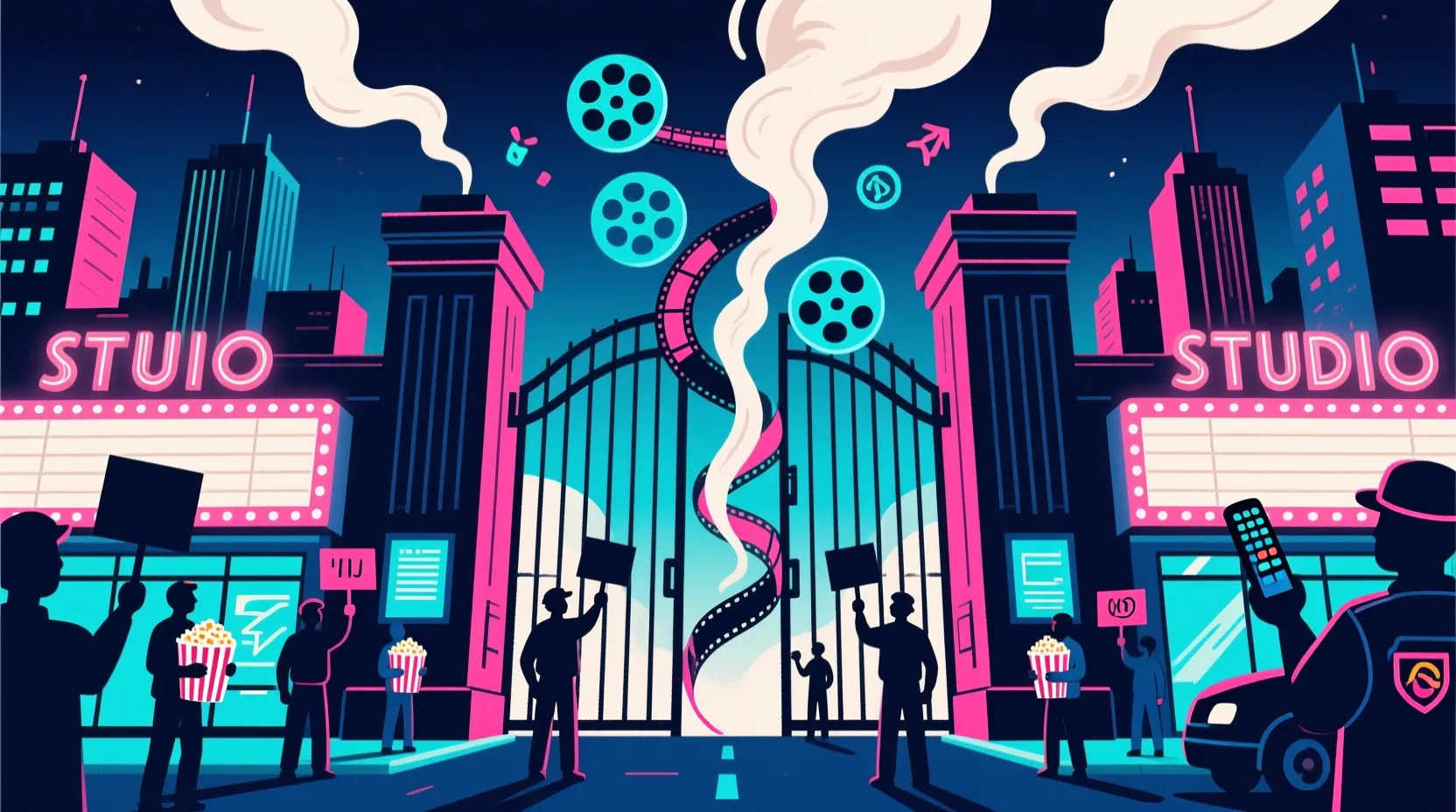
Warner Bros. Discovery shareholders are gearing up to vote on a potential merger with Paramount, and the run-up to the decision is anything but quiet. As the entertainment world watches, voices from Capitol Hill to business schools are weighing in, turning what might have been a corporate formality into a full-blown public debate about the future of media.
One of the loudest voices has been Senator Cory Booker, who dropped a 13-minute video this week laying out his opposition. He didn't hold back, framing the merger as a step toward a corporate media monopoly that could sideline independent voices and shape public opinion in dangerous ways. His message was clear: this isn't just a business deal-it's a cultural and democratic concern.
On the other side, some analysts see the merger as a natural response to a shifting landscape. Erik Gordon, a business professor at the University of Michigan, pointed out on Variety's podcast that streaming has upended traditional revenue models. Studios aren't just competing for box office dollars anymore-they're fighting for subscriptions, attention, and algorithmic favor. In that context, combining resources might be less about greed and more about survival.
Consumers could see some benefits, especially in the streaming wars. A merged company might have the muscle to invest more in original content, bundle services more effectively, or push back against giants like Netflix and Disney. But that assumes the savings from consolidation actually make it to the screen-and not just the balance sheet.
The political reaction has been telling. While Booker's stance fits a growing progressive push against corporate concentration, critics from the right argue he's using antitrust concerns as a cover for political grandstanding. The Washington Examiner dismissed the fears as overblown, saying the deal could give consumers better, more affordable options without eliminating competition.
Still, the emotional weight of merging two Hollywood giants isn't lost on anyone. These aren't just brands-they're part of the cultural fabric, responsible for decades of movies, shows, and shared memories. That history makes any talk of consolidation feel personal, even if the real stakes are financial and regulatory.
With the shareholder vote looming, the noise isn't likely to die down soon. Whether this merger passes or fails, it's already become a symbol of how much the entertainment industry has changed-and how much power a few companies might soon hold.
About this author
Zwely News Staff compiles multi-source reporting into concise, viewpoint-aware coverage for readers who want context without noise.
Source Notes
Flurry Of Protests As WBD Shareholders Set To Vote On Paramount Merger
As Warner Bros. Discovery shareholders prepared to cast their votes on the company’s proposed sale to Paramount, Sen. Cory Booker (D-NJ) released a 13-minute video titled Warner Bros-Paramount Merger, the Corporate Propaganda Monopoly: Elli...
LISTEN: Why the Warner Bros.-Paramount Skydance Sale ‘Symbolizes Big Changes in the Industry’
On today’s episode of “Daily Variety” podcast, Erik Gordon, a professor at the University of Michigan’s Ross School of Business, breaks down the Warner Bros. Discovery sale saga as the company’s shareholders prepare to vote on the sale to P...
Politics shouldn’t block Paramount-Warner Bros. deal that helps streaming consumers
Washington’s latest antitrust skirmish says less about consumers than it does about politics. At a recent Senate hearing, Sen. Cory Booker (D-NJ) warned that the proposed combination of Paramount and Warner Bros. Discovery would harm the pu...
Previous story
Trump's tough talk on Iran is raising alarms, but pulling back now could be just as risky
Next story