A wolf on the loose and a market on the edge in South Korea
One week after a wolf escaped a zoo, it's back in captivity-and retail investors keep piling into risky trades
At a glance
What matters most
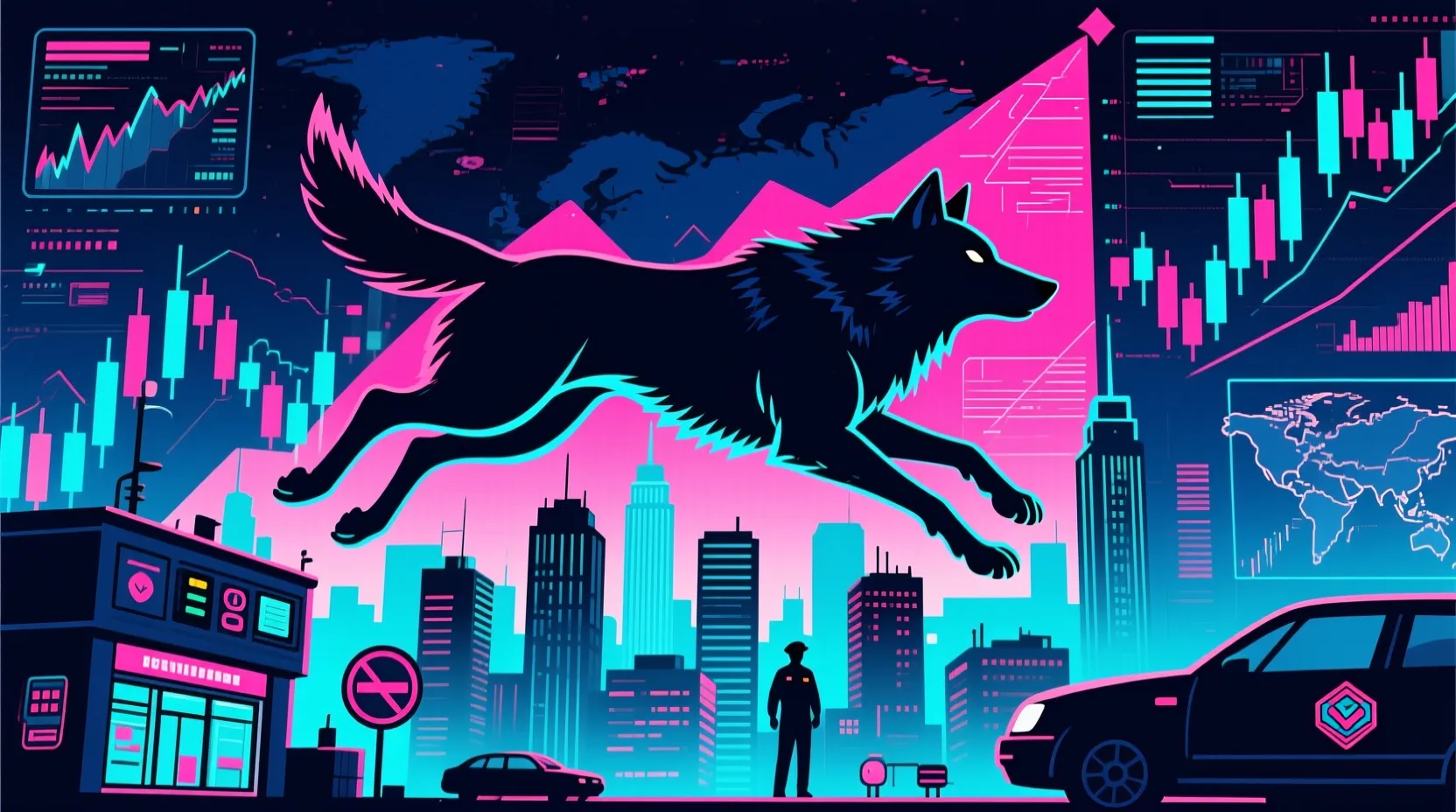
- A two-year-old wolf named Neukgu escaped from a zoo in Daejeon and was recaptured after nine days, sparking widespread public concern and online fascination.
- The incident drew intense media coverage and social media engagement, with many South Koreans following updates closely and expressing relief at the safe capture.
- Meanwhile, South Korean retail investors are fueling record trading in leveraged and inverse exchange-traded products, making the Korea Exchange the busiest in the world for such risky instruments.
Across the spectrum
What people are saying
A quick look at how the same story is being framed from different angles.
On the Left
The wolf's escape highlighted how urban expansion and wildlife management often clash, and the public reaction showed a growing empathy for animals in captivity. At the same time, the surge in risky trading reflects deeper economic anxieties-low wages and high housing costs are pushing young people to take financial gambles just to get ahead.
In the Center
The recapture of the wolf was a relief for public safety and animal welfare alike, and the response showed effective coordination between authorities and the public. Meanwhile, the popularity of leveraged trading products isn't inherently bad, but it underscores the need for stronger investor education and market safeguards.
On the Right
The swift resolution of the wolf incident proves that preparedness and local leadership work when crises arise. As for the trading boom, it's a sign of a vibrant, engaged investor class-South Koreans are taking control of their financial futures, even if that means accepting higher risk.
Full coverage
What you should know
South Korea wrapped up a week-long wildlife drama on Friday when a young wolf that had escaped from a zoo in Daejeon was safely recaptured. The two-year-old animal, named Neukgu, slipped out of its enclosure nearly nine days earlier, prompting a large-scale search and raising concerns about public safety. Officials used tranquilizer darts and tracking teams to locate the wolf in wooded areas near residential zones. It was returned unharmed to the zoo, where investigations are now underway to determine how the escape happened.
The incident gripped the nation. News outlets ran continuous updates, and social media lit up with memes, speculation, and genuine concern. Some saw the wolf as a symbol of wild resilience; others worried about risks to children and pets. Local authorities urged residents to stay indoors during peak search hours, and schools in nearby areas briefly tightened outdoor policies. When the capture was confirmed, many South Koreans responded with a mix of relief and admiration for the animal's elusiveness.
While the wolf made headlines, another kind of frenzy was unfolding in South Korea's financial markets. Retail investors have been pouring money into leveraged and inverse exchange-traded products-complex instruments that amplify gains and losses. These risky vehicles, often tied to stock indices, have become wildly popular, especially among younger traders using mobile trading apps. According to Bloomberg, the Korea Exchange is now the world's most active market for such products, surpassing even the U.S. and Hong Kong in daily trading volume.
This surge in speculative trading has raised concerns among regulators and economists. These products are designed for short-term use and can lead to steep losses if held too long. Yet many retail investors treat them like regular stocks, often influenced by online trading communities and social media trends. Some analysts worry this behavior could expose households to significant financial risk, especially if markets turn volatile.
Despite the warnings, the appetite for risk remains strong. Market data shows that trading in leveraged funds has grown steadily over the past year, driven by low interest rates, high savings, and a cultural shift toward active investing. For many young South Koreans, the thrill of fast-moving markets mirrors the unpredictability of life itself-something the week's wolf saga only underscored.
There's no direct link between the escaped wolf and the trading boom, of course. But together, the two stories paint a picture of a society balancing fascination with risk-whether in the wild or on trading screens. Both episodes reflect how quickly attention can shift, how deeply emotion can run, and how much uncertainty people are willing to live with.
For now, Neukgu is back behind secure fencing, and traders are still clicking buy. Life in South Korea has settled, at least for today-but the underlying currents of excitement, fear, and ambition keep moving beneath the surface.
About this author
Zwely News Staff compiles multi-source reporting into concise, viewpoint-aware coverage for readers who want context without noise.
Source Notes
Retail Traders Make Korea Top Place for Risky Exchange Products
South Korean investors’ appetite for risk has turned the Korea Exchange into the world’s busiest hub for risky leveraged vehicles.
Elusive wolf in South Korea recaptured after nine days on the run
A wolf that escaped from a zoo in the South Korean city of Daejeon was recaptured on Friday after nine days on the run, bringing to a close a saga that gripped the public as the elusive animal evaded earlier capture attempts.
South Koreans breathe sighs of relief as escaped wolf is returned to zoo safely
Nine-day search for two-year-old Neukgu gripped nation and sparked safety concerns for animal and publicThe internet in South Korea erupted in celebration as a two-year-old wolf that escaped from a zoo was captured safely after a nine-day s...
Previous story
Brian Williams is making a comeback with a Netflix podcast
Next story