After the Live Nation verdict, will concert tickets actually get cheaper?
A jury just found the company runs an illegal monopoly-now comes the hard part.
At a glance
What matters most
- A New York jury found Live Nation guilty of running an illegal monopoly in the live music industry.
- The verdict could lead to major changes in how concerts are booked, promoted, and priced.
- Experts say lower ticket prices are possible, but not guaranteed or immediate.
- State attorneys general and federal regulators may now push for structural changes to the company.
Across the spectrum
What people are saying
A quick look at how the same story is being framed from different angles.
On the Left
This verdict is a win for everyday people over corporate power. Live Nation's dominance has long hurt artists, fans, and small venues. With stronger antitrust enforcement, we can start rebuilding a fairer, more open live music scene.
In the Center
The jury's decision is a significant moment, but real change depends on how it's enforced. Lower ticket prices aren't guaranteed, and the appeals process could delay any impact for years.
On the Right
While competition is important, government intervention in successful businesses can backfire. Live Nation met consumer demand effectively-fixing prices shouldn't mean punishing scale or efficiency.
Full coverage
What you should know
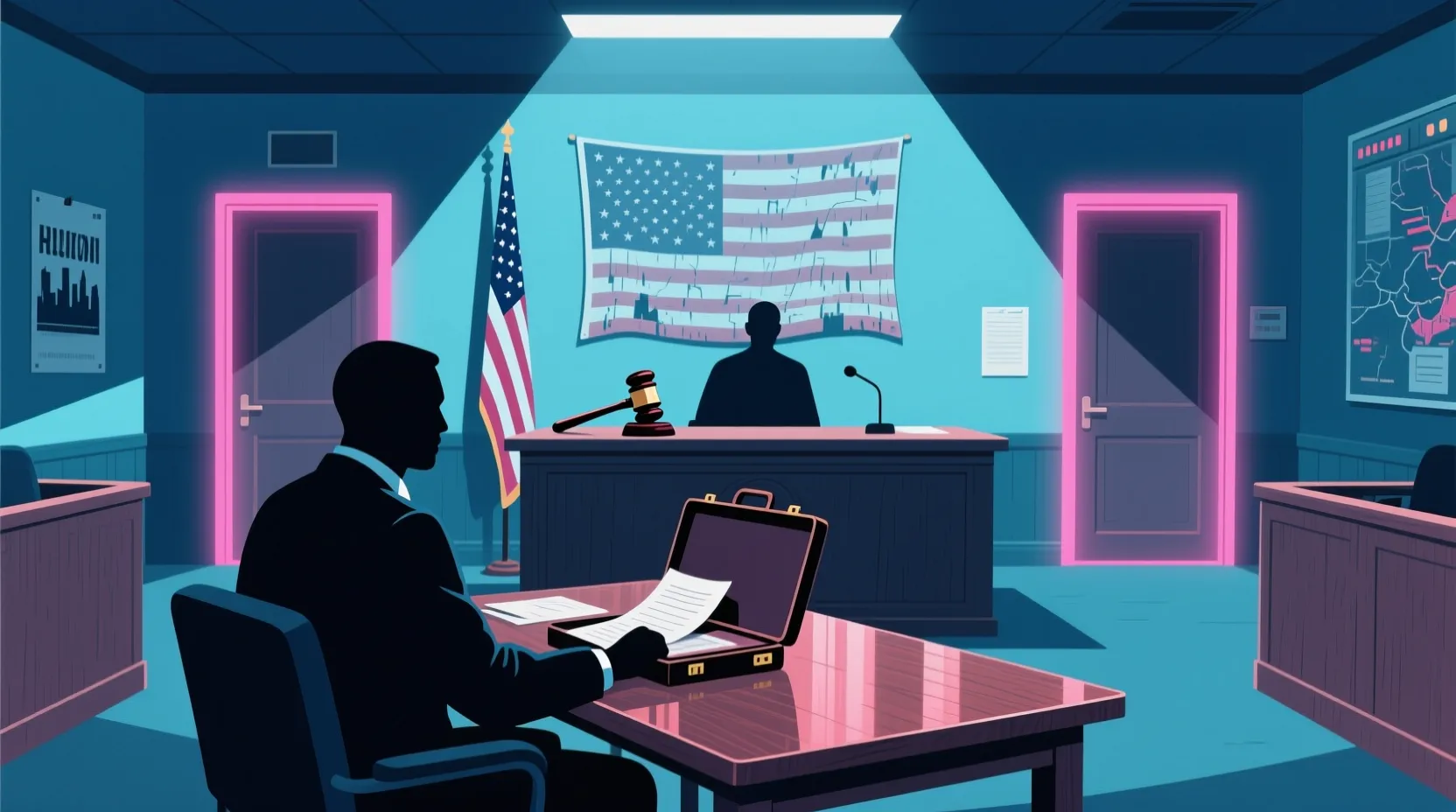
Last Wednesday, a New York jury delivered a striking verdict: Live Nation, the giant that dominates concert promotion, ticketing, and venue management, has been operating as an unlawful monopoly. The decision, the result of a years-long antitrust case, has sent shockwaves through the music world. For fans tired of sky-high ticket prices and sold-out shows that feel impossible to access, the big question now is simple-will this actually make concerts more affordable?
The short answer? Maybe, eventually. But not right away. The jury's finding is a major legal victory, but it doesn't automatically change how Live Nation does business. That next step-figuring out what happens now-will likely take months or even years. Judges, regulators, and lawyers will have to decide whether to force the company to spin off parts of its empire, like Ticketmaster, or change how it signs exclusive deals with artists and venues.
Live Nation has long argued that it's simply responding to market demand, especially as touring has become a bigger revenue source for artists in the streaming era. But critics say the company uses its size to squeeze out competition, lock in top acts, and control pricing from start to finish. By owning everything from ticketing to tour promotion to many of the venues themselves, the company can limit options for both artists and fans.
Some experts think breaking up that control could open the door for smaller promoters and new ticketing platforms, which might lead to better prices. Others are more cautious, noting that even with competition, big-name tours will still be in high demand. That means popular shows could still sell out fast and command high prices, regardless of who's running the system.
The case was led by a coalition of state attorneys general, and its success has energized broader efforts to rein in corporate power in other industries. Advocates see it as proof that antitrust enforcement can still work, even against deeply entrenched companies. The mood among fans, especially on social media, has been cautiously optimistic-many calling the verdict long overdue.
Live Nation has said it plans to appeal, meaning the legal battle is far from over. Even if the ruling stands, the actual remedies could vary widely. The court might impose fines, require behavioral changes, or go further and force a breakup. Each option would have different effects on how concerts are organized and priced in the future.
For now, the verdict stands as a turning point. Whether it leads to cheaper tickets or just a fairer playing field, the real test will be in what comes next. The music industry-and millions of concertgoers-are watching closely.
About this author
Zwely News Staff compiles multi-source reporting into concise, viewpoint-aware coverage for readers who want context without noise.
Source Notes
After the Live Nation Verdict, Will Ticket Prices Go Down? Well…
In the wake of the verdict against Live Nation Wednesday, in which a New York jury found that the company runs an unlawful monopoly in the concert industry, two questions have towered above all others: “Will ticket prices go down?” and “Wil...
Everything to Know About the Live Nation Verdict, What It Means for Fans, and What’s Next
The landmark decision could reshape the live entertainment industry, but a lot has to happen first
Live Nation Verdict Serves as a Warning
Companies thought they could get away with anything while Donald Trump was in office. But today they have a new problem: state attorneys general, and juries full of ordinary Americans. The post Live Nation Verdict Serves as a Warning appear...
Previous story
Kennedy faces sharp questions on vaccines and health policy in first big congressional test
Next story