
White-collar defense lawyers are seeing fewer clients, and it's not because crime has gone out of style
The Justice Department's shift under the new administration is reshaping who gets prosecuted - and who doesn't
At a glance
What matters most
- White-collar defense lawyers report fewer clients as the Justice Department under the Trump administration de-prioritizes financial crime prosecutions
- The DOJ is moving to vacate seditious conspiracy convictions of Proud Boys and Oath Keepers members tied to the January 6 Capitol protest
- Critics worry the changes reflect political favoritism, while supporters say it corrects overreach from the previous administration
- The shift marks a broader realignment in federal enforcement priorities, with fewer corporate and fraud cases moving forward
Across the spectrum
What people are saying
A quick look at how the same story is being framed from different angles.
On the Left
The Justice Department's retreat from white-collar and political prosecutions feels less like reform and more like selective leniency. By dropping serious charges against January 6 defendants and ignoring financial misconduct, the administration is undermining accountability and sending a message that loyalty offers protection. Real justice shouldn't depend on who's in power.
In the Center
Shifts in prosecutorial priorities are normal between administrations, but the scale and speed of these changes raise legitimate questions. Scaling back on overcharged cases can be justified, but transparency and consistency matter. The concern isn't the shift itself, but whether it's being applied fairly across the board.
On the Right
The previous administration weaponized the DOJ to target political opponents and inflate charges, especially in cases like January 6. This administration is correcting that overreach by focusing on actual threats to public safety, not symbolic prosecutions. Letting up on low-level offenders and technical violations is a return to common sense.
Full coverage
What you should know
It's been a slow few months for some of the country's top white-collar defense attorneys - not because financial misconduct has disappeared, but because the Justice Department isn't chasing it like it used to. Under the current administration, federal prosecutors are stepping back from complex fraud, insider trading, and corporate misconduct cases, leaving defense lawyers who once juggled multiple high-stakes matters now with more time on their hands.
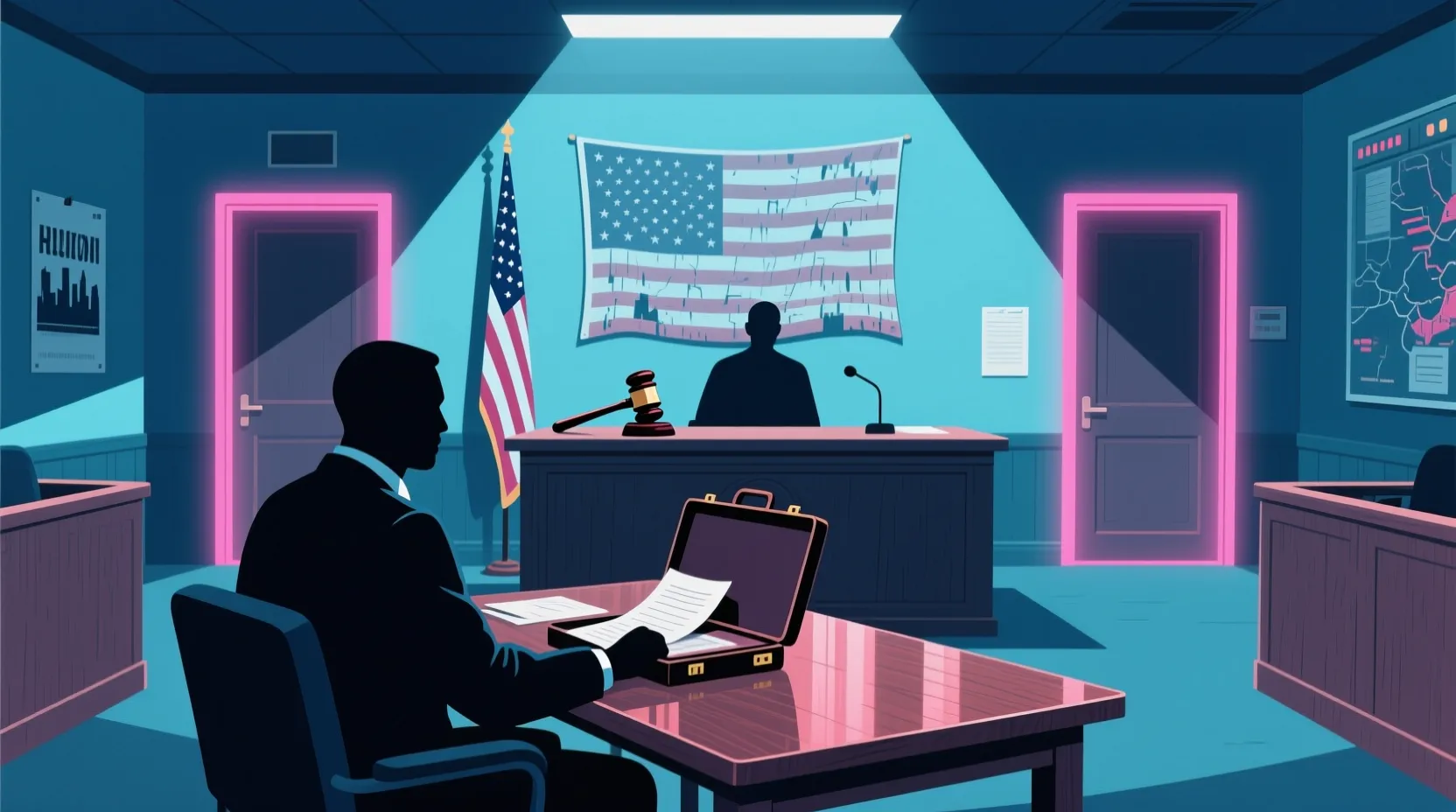
The change is part of a broader shift in enforcement philosophy. The Justice Department has quietly deprioritized investigations into financial crimes, especially those targeting political allies or high-profile business figures. At the same time, it's moving to undo some of the most politically sensitive convictions from the previous administration, including seditious conspiracy charges against members of the Proud Boys and Oath Keepers involved in the January 6 Capitol protest. Last week, the DOJ filed motions to vacate those convictions, calling the prior prosecutions overly aggressive and politically motivated.
For defense attorneys who built careers on navigating corporate scandals and regulatory tangles, the slowdown is both surprising and telling. One New York-based lawyer, who asked not to be named, said they've seen a 40% drop in new inquiries over the past six months. "It's not that people aren't doing questionable things," they said. "It's that the government isn't looking as hard."
The administration defends the changes as a course correction. Officials argue that past enforcement often targeted political opponents or overcharged lower-level actors while letting powerful figures off the hook. By focusing less on technical violations and more on what they call "true threats to public order," they say they're restoring balance to the justice system.
But critics see a different pattern. Legal watchdogs and former prosecutors warn that the selective dropping of cases - especially those tied to January 6 - risks eroding public trust. They point out that while financial and political prosecutions are winding down, there's little evidence of increased action on other fronts. "You can't claim to be rebalancing justice if you're only letting one side off the hook," said a former federal prosecutor who spoke on background.
The long-term impact may go beyond individual cases. Corporate compliance officers and ethics teams are reportedly adjusting their risk assessments, sensing that the consequences for financial missteps are now less certain. Some investors are watching closely, concerned that weaker enforcement could encourage recklessness in boardrooms.
For now, the quiet in the courtrooms is noticeable. Whether it's a sign of restraint or retreat depends on who you ask - but either way, it's changing how justice is practiced in Washington.
About this author
Zwely News Staff compiles multi-source reporting into concise, viewpoint-aware coverage for readers who want context without noise.
Source Notes
The white-collar defence lawyers with nothing to do
The Trump administration’s approach to justice has made life quieter for those who defend alleged financial criminals
Oath Keepers, Proud Boys feel hopeful and skeptical after Trump DOJ’s moves to end Biden-era witch hunt
The Trump administration's Department of Justice is moving to vacate the seditious conspiracy convictions against several Proud Boys and Oath Keepers members who were involved in the Jan. 6, 2021, protest at the U.S. Capitol.On Tuesday, the...
Previous story
Pope Leo speaks out against leaders who exploit power while on Africa tour
Next story