Alito steps aside from three cases as scrutiny grows over leaked Supreme Court memos
The justice's recusals come amid fresh debate about ethics and the fallout from internal court documents being made public.
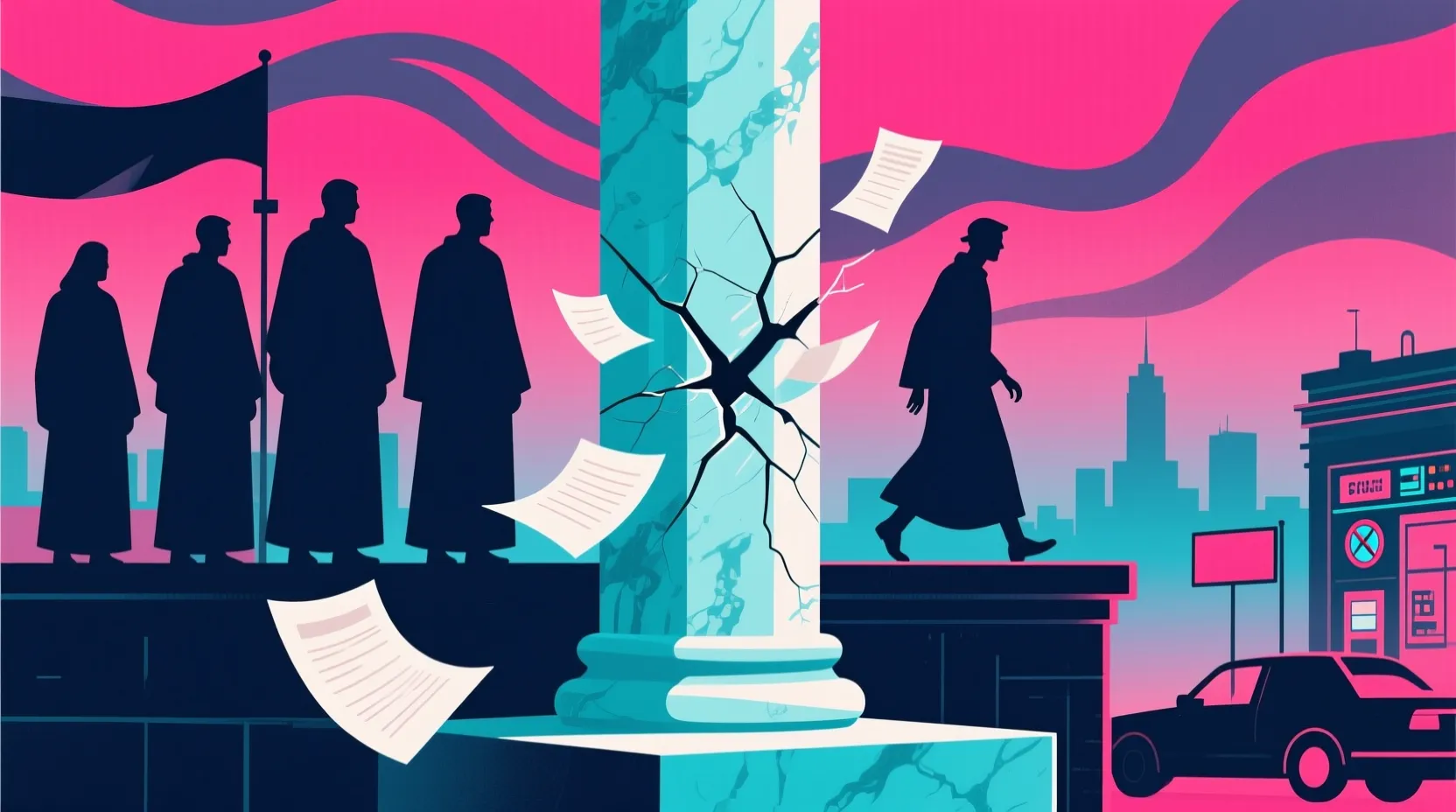
At a glance
What matters most
- Justice Samuel Alito has recused himself from three pending Supreme Court cases, likely due to potential conflicts tied to recent reporting.
- Leaked internal memos, sometimes called 'shadow papers,' have raised concerns about the Court's confidentiality and ethics practices.
- Legal experts are split on whether the leaks or the content of the memos pose a greater threat to the Court's integrity.
- Critics of the New York Times' coverage say its reporting has been slanted, while others stress the public's right to know about judicial conduct.
Across the spectrum
What people are saying
A quick look at how the same story is being framed from different angles.
On the Left
The leaks, while concerning, have exposed important questions about accountability. The public has a right to know how justices approach cases, especially when potential conflicts arise. Alito's recusals suggest the scrutiny is working, but real change will require enforceable ethics rules and less secrecy around judicial conduct.
In the Center
Both the leaks and the coverage of them pose risks. Internal deliberations should remain confidential to protect judicial independence, but so should the integrity of recusal decisions. The focus should be on strengthening norms and transparency without politicizing the Court's private processes.
On the Right
The real breach here is the unauthorized release of private judicial communications. That undermines the Court's ability to function and invites media distortion. The emphasis should be on stopping leaks and protecting the independence of justices from sensationalized reporting.
Full coverage
What you should know
Justice Samuel Alito has stepped aside from three upcoming Supreme Court cases, according to recent court orders. The recusals come just as media outlets have published details from internal court memos that shed light on private judicial discussions. While the Court hasn't explained the reason for Alito's withdrawal, the timing suggests a connection to heightened scrutiny over his conduct and potential conflicts of interest.
The documents in question-informal drafts, notes, and internal correspondence-were leaked to the press and later cited in reporting, including by the New York Times. These so-called 'shadow papers' offer a rare look into how justices think about cases before decisions are finalized. Their release has sparked a heated debate about transparency, ethics, and the sanctity of judicial deliberations.
Some legal observers, like Harvard law professor Jack Goldsmith, have criticized the Times' handling of the material, calling its reporting 'unfortunately tendentious.' Writing on Reason's Volokh Conspiracy blog, Goldsmith argued that the framing of the memos risks distorting their meaning and undermining public trust in ways that go beyond the original leak. He and others warn that politicized coverage could pressure justices or alter how they communicate in private.
At the same time, others say the real scandal isn't the reporting but the leaks themselves. They argue that confidential judicial discussions should stay internal, not just to protect the Court's independence but to preserve honest debate among justices. If clerks or staff are sharing sensitive material, that could chill future conversations and weaken the Court's ability to function.
Still, the leaks have drawn attention to long-standing concerns about ethics oversight. Unlike lower-court judges, Supreme Court justices aren't bound by a formal, enforceable code of conduct. While they're expected to recuse themselves in cases with clear conflicts, the process is self-policed. Alito's recent recusals may reflect an effort to uphold that standard, but they also highlight how opaque the system remains.
The current situation echoes past controversies involving other justices and undisclosed financial ties or travel. With public confidence in the Court already strained, these latest developments are fueling renewed calls for reform-whether through an independent ethics body, clearer rules, or more transparency around recusal decisions.
For now, the three cases Alito has stepped away from will move forward with the remaining eight justices. But the broader conversation about how the Court governs itself-and how its private work becomes public-is likely to keep unfolding, especially as the justices face increasing pressure to clarify their ethical boundaries.
About this author
Zwely News Staff compiles multi-source reporting into concise, viewpoint-aware coverage for readers who want context without noise.
Source Notes
Jack Goldsmith on the NYT and the Leaked Supreme Court "Shadow Papers"
A critique of the New York Times "unfortunately tendentious reporting about the memoranda."
"The Biggest Scandal Here Is In Fact the Leaks Themselves"
The leak of internal Supreme Court memos could affect how the Court operates.
Justice Samuel Alito Sits Out Three Supreme Court Decisions
The court's Code of Conduct calls for justices to recuse themselves if they have financial, professional or personal conflicts.
Previous story
A man in Louisiana is accused of killing eight children in a domestic violence rampage
Next story