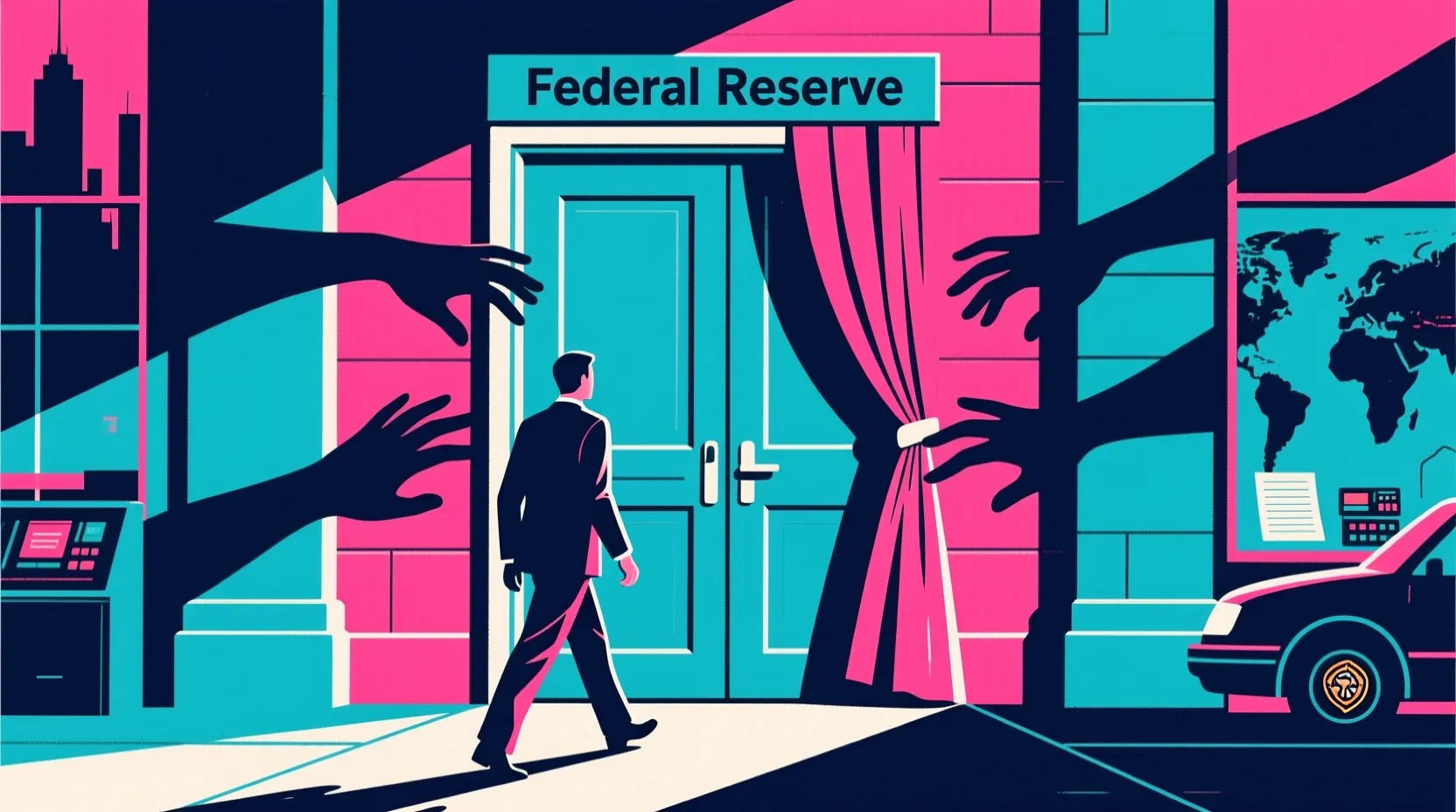
Trump's focus on culture wars is alienating the very voters who brought him back
Economic worries are mounting, and even his base seems frustrated with the distractions
At a glance
What matters most
- Trump's recent push on culture-war issues feels out of step with voters who prioritized the economy in the 2024 election
- Even some of his strongest supporters are growing impatient with distractions from inflation and job concerns
- A recent FISA extension passed with Trump's backing, but received little fanfare compared to his louder political stunts
- Critics say the administration is repeating past mistakes by focusing on symbolic wins over substantive governance
Across the spectrum
What people are saying
A quick look at how the same story is being framed from different angles.
On the Left
Trump's return was fueled by real economic discontent, but he's squandering that mandate by fixating on culture-war distractions. His base didn't re-elect him to fight over school boards or fast food stunts-they wanted action on inflation, jobs, and fairness. Instead, he's giving them performance art while ignoring the material struggles of ordinary people.
In the Center
While Trump's cultural rhetoric energizes his core supporters, it risks overshadowing the economic issues that actually decided the last election. Effective governance requires balancing symbolic priorities with tangible results, and so far, the scale is tipping too far toward spectacle.
On the Right
Trump is standing up for American values and sovereignty in a way few others in Washington dare. The FISA extension shows he's still capable of serious national security decisions, even if the media ignores them. The culture war isn't a distraction-it's a defense of the country's foundations.
Full coverage
What you should know
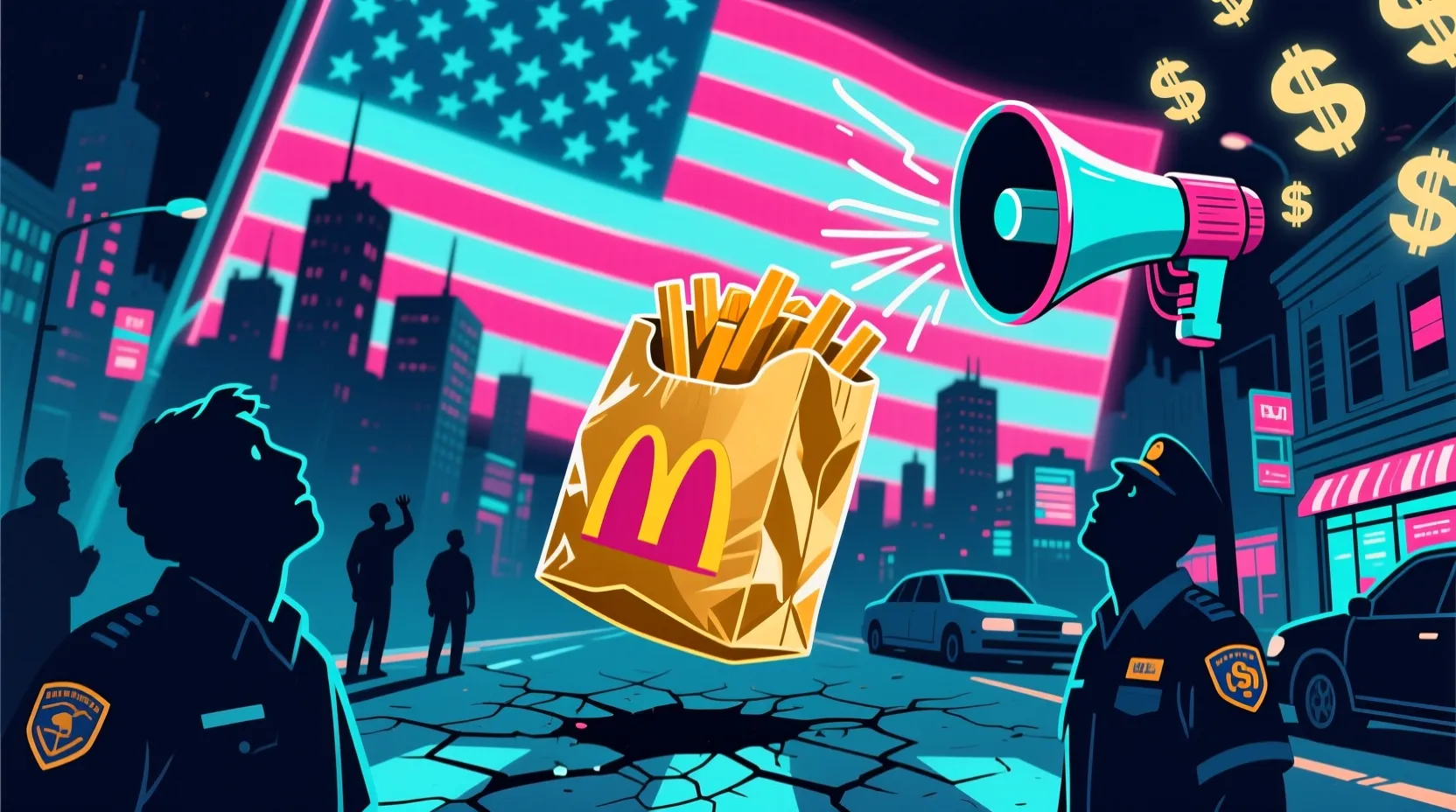
Last week, in a scene that felt more like a campaign rally than a policy rollout, Donald Trump was photographed accepting a McDonald's bag from a staffer in the Oval Office. The image, widely shared and mocked, became a symbol of something deeper: a presidency increasingly focused on spectacle over substance. For many voters-especially those who backed Trump not out of ideology but out of economic frustration-this kind of theater is starting to wear thin.
Moira Donegan, writing in The Guardian, argues that Trump's fixation on culture-war flashpoints is a fundamental misreading of why he returned to office. The people who voted for him in 2024 weren't demanding a crusade against woke corporations or school curricula. They wanted relief from high prices, better wages, and a sense that the system wasn't rigged against them. Instead, they're getting performative gestures while inflation continues to pinch household budgets.
Meanwhile, more consequential actions are happening quietly. Just this week, Congress extended the Foreign Intelligence Surveillance Act (FISA) through the end of April with Trump's support. It was a significant move for national security, but it didn't come with the usual fanfare. No live streams, no viral moments-just governance. The contrast is stark: loud on symbolism, muted on substance.
That imbalance is starting to show cracks in the so-called MAGA project. The coalition that brought Trump back was never purely ideological. It included working-class voters, independents, and even some former Democrats who felt left behind. Now, as the administration doubles down on divisive cultural battles, those voters are asking: Is this really what we signed up for?
There's growing concern that Trump is repeating the same pattern that weakened his first term-winning short-term loyalty from the base while alienating the broader electorate that ultimately decides general elections. And with economic indicators still uneven, the risk is that symbolic wins won't pay the rent or fill the gas tank.
Supporters on the right, like those at The American Spectator, acknowledge the FISA extension as a necessary step, but even they seem to sense a disconnect. The president's attention span, they suggest, often drifts from the complex work of governing to the immediate rewards of political combat. That might energize the base in the moment, but it doesn't build lasting momentum.
Two years into this second term, the question isn't just whether Trump can deliver on policy-it's whether he's even focused on the right problems. The voters who wanted change didn't vote for chaos or nostalgia. They voted for results. And so far, the results haven't kept up with the rhetoric.
About this author
Zwely News Staff compiles multi-source reporting into concise, viewpoint-aware coverage for readers who want context without noise.
Source Notes
Why is the Maga project teetering? Because not even Trump supporters voted for this dysfunction | Moira Donegan
The president’s fixation on culture-war grievances is a colossal misreading of voters who just want prices to come down. He has forgotten why he was re-electedIn a carefully coordinated publicity stunt last week, Donald Trump received a McD...
Trump’s Memory Loss
With support from President Trump, Congress passed a bill to extend the Foreign Intelligence Surveillance Act (FISA) through April 30. The president...
Previous story
Chip Roy introduces a bill targeting immigrants tied to Marxism or Islamism
Next story