Amazon is cutting off old Kindles, and people aren't happy about it
Thousands of older e-readers will lose access to new books this May
At a glance
What matters most
- Amazon will stop supporting Kindle models from 2012 and earlier starting May 2026, making it hard or impossible to download new books.
- Affected devices will still turn on but won't sync with Amazon's store or accept new content wirelessly.
- Customers are criticizing the move as planned obsolescence, while Amazon says it's necessary due to outdated technology.
- Some users are exploring workarounds, like sideloading books, but the change marks the end of an era for early e-reader adopters.
Across the spectrum
What people are saying
A quick look at how the same story is being framed from different angles.
On the Left
This is a frustrating example of corporate-driven waste. People are being forced to buy new devices not because their old ones failed, but because Amazon wants to push sales. These Kindles were built to last, and cutting off support undermines sustainability and consumer trust.
In the Center
While it's understandable that Amazon needs to phase out outdated systems for security and efficiency, they could do more to support long-time users. Clear communication and better migration tools would help ease the transition without alienating loyal customers.
On the Right
Technology moves forward, and companies can't support old hardware forever. Amazon provided years of service on these devices. If users want modern features and security, upgrading is a normal part of using tech.
Full coverage
What you should know
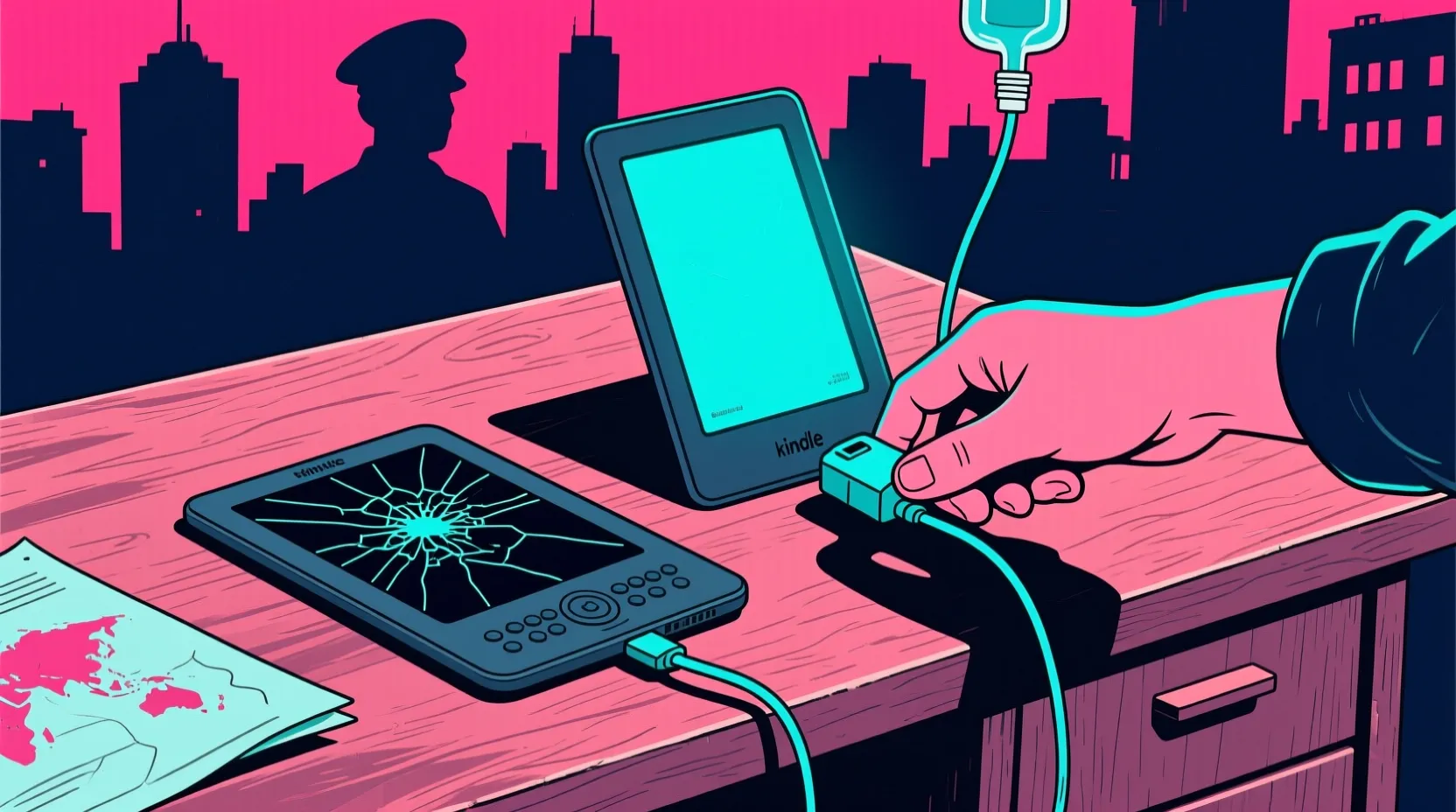
Starting in May, thousands of older Kindle owners will find their e-readers can't download new books. Amazon has announced it's ending support for all Kindle models released in 2012 or earlier, including the original Kindle, Kindle Touch, and early versions of the Paperwhite. While the devices will still power on and display existing books, they won't be able to sync with Amazon accounts or access the online store.
The company cited outdated software and security limitations as the reason for the change. In a notice sent to users, Amazon explained that these older devices run on legacy systems that can't support current encryption standards or modern store features. That means no more wireless book purchases, library checkouts, or even syncing progress across devices.
For many, the cutoff feels personal. Some of these Kindles have been in use for over a decade, surviving phone upgrades, tablet replacements, and shifting tech trends. Now, users are facing the reality that a device built for reading - simple, long-lasting, and reliable - is being retired not because it broke, but because Amazon is turning off the lights.
Backlash has been building online, with readers sharing stories of Kindles they've carried through moves, travels, and years of reading. Critics argue this is a textbook case of planned obsolescence - pushing users toward new purchases by disabling older hardware. Some are calling for stronger right-to-repair laws or longer support windows from tech companies.
Amazon isn't entirely leaving users stranded. The company suggests transferring books manually via USB or using newer apps on smartphones and tablets. But that defeats the purpose for many who value the Kindle's e-ink screen, battery life, and lack of distractions. For them, reading on a phone isn't the same.
Still, the move isn't surprising from a business standpoint. Supporting aging hardware takes engineering resources, and older devices make up a shrinking slice of active users. As e-reader tech evolves, maintaining backward compatibility becomes harder. Amazon continues to sell newer Kindles with better screens, longer battery life, and features like audiobook support.
For now, owners of older models have a few weeks to download any final books or back up their libraries. After May, these devices will become digital bookshelves - full of stories, but closed to new ones.
About this author
Zwely News Staff compiles multi-source reporting into concise, viewpoint-aware coverage for readers who want context without noise.
Source Notes
Amazon will force your old Kindle into obsolescence this May
Amazon will no longer support many older Kindles starting in May, as customers begin to rally against planned obsolescence.
Amazon to end support for older Kindle devices
Amazon told Kindle owners this week that it's ending support for all e-readers released in 2012 or earlier, making them virtually unable to load any new content.
Previous story
The ceasefire is holding, but ships still can't move through the Strait of Hormuz
Next story