
Marlow pushes wild idea for US and Iran to team up on Hormuz Strait
While tensions simmer, the Breitbart host floated a joint venture between bitter rivals to control a key global oil route
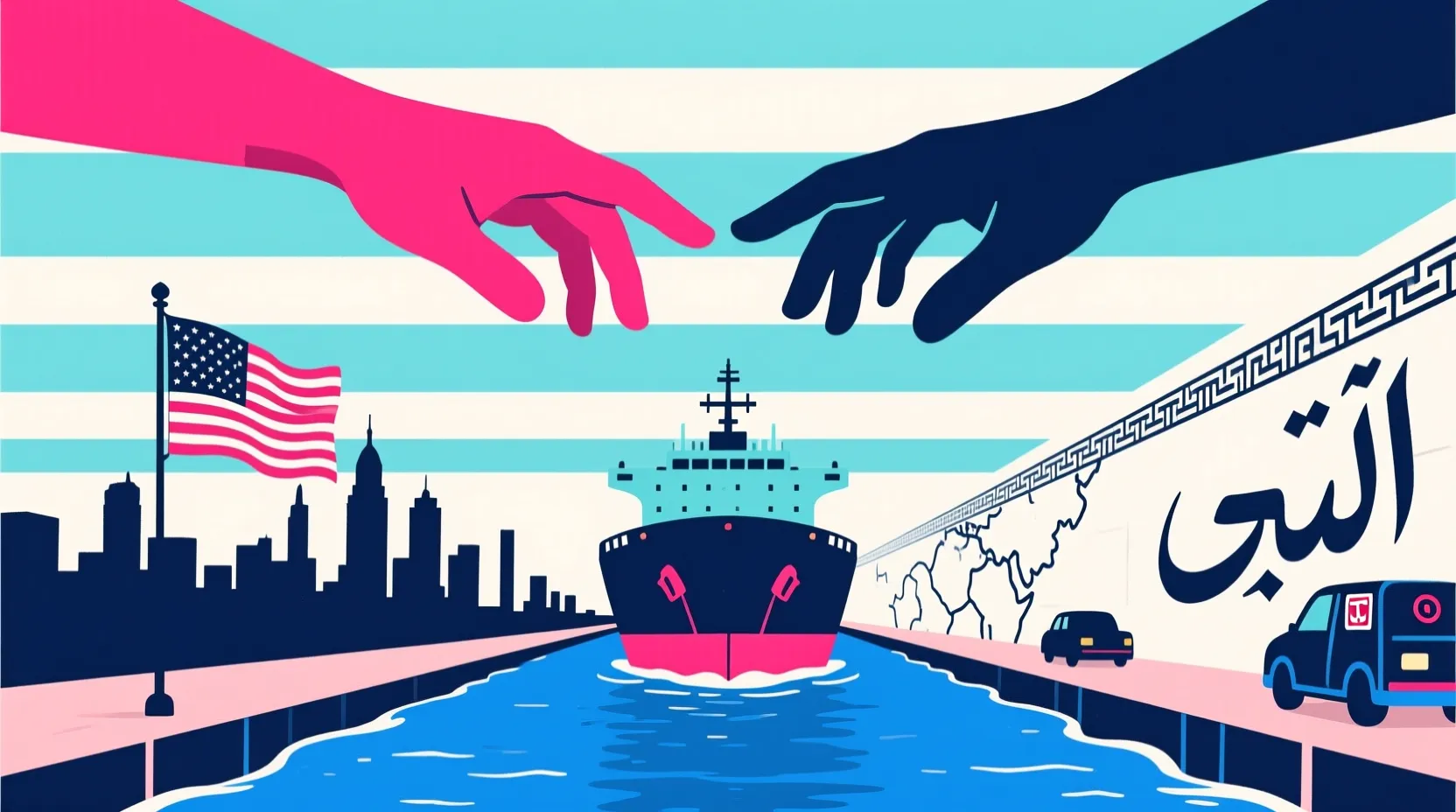
At a glance
What matters most
- Alex Marlow suggested a joint US-Iran effort to control the Strait of Hormuz, a major shift from traditional US policy
- He argued the move could stabilize oil flows and called it a 'beautiful thing' if both nations cooperated
- Marlow also claimed Senate Republicans are enabling fraud by blocking the Save America Act
- Meanwhile, experts warn that any disruption in the strait could spike prices on everyday goods, not just fuel
Across the spectrum
What people are saying
A quick look at how the same story is being framed from different angles.
On the Left
Marlow's fantasy about teaming up with Iran ignores decades of aggression and human rights abuses. While the Strait of Hormuz is vital, normalizing relations without accountability rewards a regime that destabilizes the region. His focus on a 'culture of fraud' at home also distracts from real issues like climate change and inequality that actually affect people's lives.
In the Center
The idea of U.S.-Iran cooperation on Hormuz is highly unlikely given current tensions, but it does highlight the need for creative thinking on energy security. More pressing is the real economic risk a disruption poses to global trade. Stability in the strait matters less who controls it and more that it stays open and predictable for global markets.
On the Right
Marlow is right to question the status quo. Decades of intervention haven't brought peace, and maybe it's time to explore bold alternatives. If a joint venture could secure oil flows and reduce military entanglements, it's worth discussing. Meanwhile, blocking the Save America Act only deepens public distrust - and that's a national security issue too.
Full coverage
What you should know
On Friday's episode of The Alex Marlow Show, the Breitbart editor-in-chief floated a surprising diplomatic idea: a joint U.S.-Iran venture to control the Strait of Hormuz. Known for hardline commentary, Marlow described the concept as a 'beautiful thing' - a rare moment of optimism in an otherwise tense geopolitical climate. The strait, a narrow waterway between Iran and the Arabian Peninsula, is a critical global oil chokepoint, with about a fifth of the world's crude passing through it daily.
Marlow credited former President Trump with planting the seed of the idea, saying it built on earlier diplomatic overtures. 'Trump's initial plan was that Iran could be brought in, not pushed out,' Marlow said, suggesting cooperation might be more effective than confrontation. While the idea lacks any known support from current officials, it reflects a growing undercurrent of unconventional thinking about how to manage Middle East volatility without military escalation.
At the same time, Marlow turned his fire toward Senate Republicans, accusing them of enabling a 'culture of fraud' by blocking the Save America Act. He argued that their resistance to the legislation - details of which weren't fully outlined in the clip - was undermining public trust and enabling systemic corruption. 'It's just a culture of fraud that we have in our country,' Marlow said, 'and this is what we're witnessing.'
His comments come as global markets remain on edge. A recent Bloomberg report highlighted that even the threat of a Hormuz shutdown could ripple far beyond oil. Everything from electronics to clothing could see price hikes, as shipping routes are rerouted and insurance costs climb. 'It's not just oil,' the report noted. 'A blocked Hormuz risks hiking the price of nearly everything you buy.'
While Marlow's joint venture idea sounds far-fetched to many, it touches on a real strategic dilemma: how to ensure energy security without fueling conflict. The U.S. has long policed the strait through naval presence, often in opposition to Iranian threats to close it. Any shift toward cooperation would require a dramatic thaw in relations - something no administration has yet pursued.
Still, the conversation underscores how traditional foreign policy frameworks are being questioned, especially in conservative media. Marlow's blend of alarm over domestic governance and bold international proposals reflects a broader mood of disruption in certain political circles.
For now, the idea remains speculative. But in a world where supply chains are fragile and trust in institutions is thin, even fringe ideas can spark debate about what's possible - or what's just political theater.
About this author
Zwely News Staff compiles multi-source reporting into concise, viewpoint-aware coverage for readers who want context without noise.
Source Notes
Marlow: GOP Blocking Save America Act Creates Culture of Fraud
Friday on “The Alex Marlow Show,” host and Breitbart Editor-in-Chief Alex Marlow talked about the Senate. Marlow said, “It’s just a culture of fraud that we have in our country, and this is what we’re witnessing. … And the Democrat Party is...
Marlow: Why an Iran/U.S. 'Joint Venture' to Control Hormuz Strait Really Could Be a 'Beautiful Thing'
Friday on “The Alex Marlow Show,” host and Breitbart Editor-in-Chief Alex Marlow talked about Iran. Marlow said, “Trump’s initial plan, which he established, which I was complimenting over the last couple days on the show, is that Iran coul...
It’s Not Just Oil. A Blocked Hormuz Risks Hiking the Price of Nearly Everything You Buy
As war in Iran crimps global oil supplies, it is hitting a range of other commodities and promising to remake global supply chains.
Previous story
The Super Mario Galaxy movie is still rolling strong at the box office
Next story