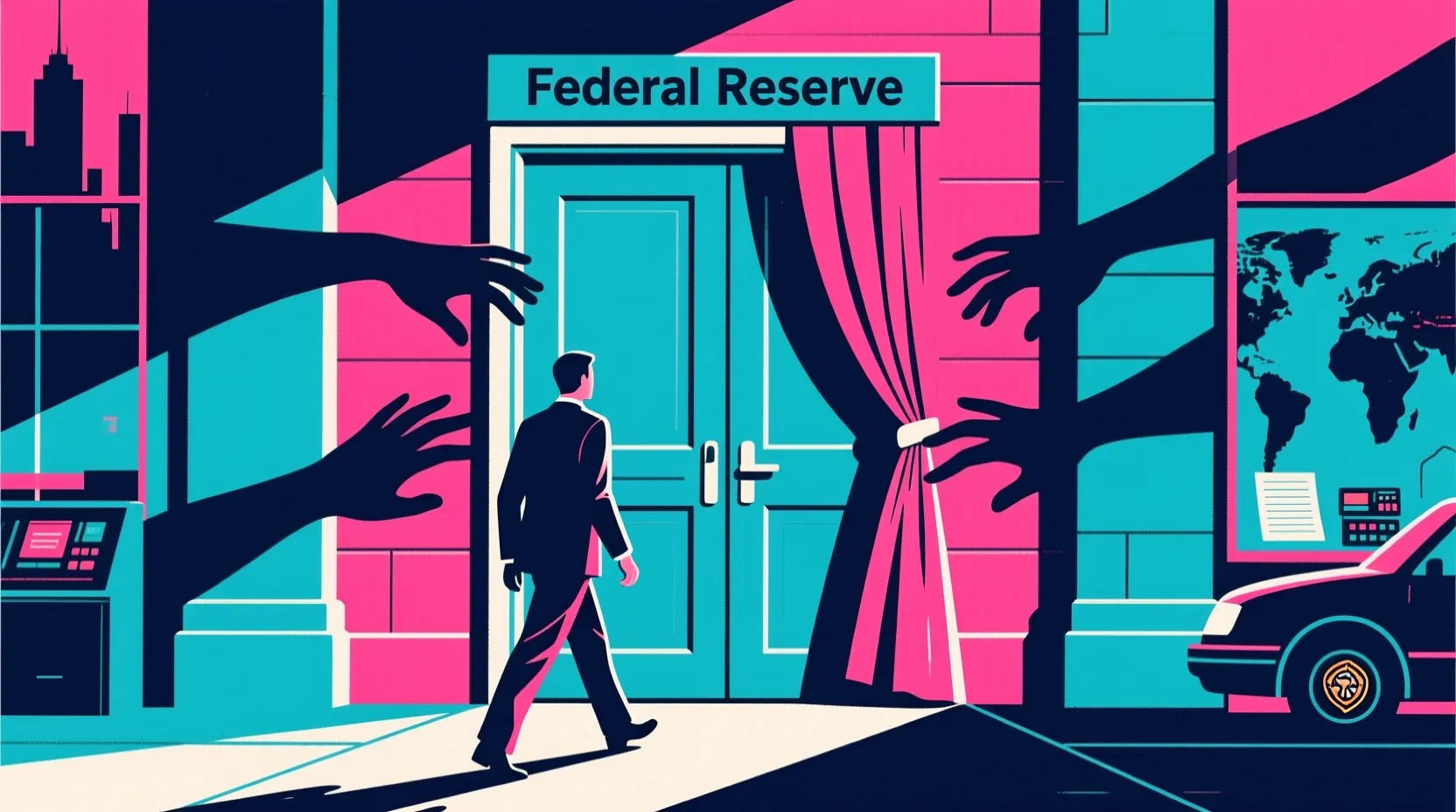
Big AI is spending heavily on policy research to fix its public image
As skepticism grows, tech giants are funding think tanks and reports to shape the conversation around artificial intelligence

At a glance
What matters most
- AI firms like OpenAI and others are quietly bankrolling research groups and policy reports to shift public perception and sway policymakers.
- Public trust in AI has dipped, with recent polls showing growing concern over misinformation, job loss, and lack of oversight.
- Critics worry this influence campaign could prioritize corporate interests over public safety and democratic accountability.
- The move mirrors past strategies used by tech, fossil fuel, and pharmaceutical industries to shape regulation through third-party advocacy.
Across the spectrum
What people are saying
A quick look at how the same story is being framed from different angles.
On the Left
Corporate-funded think tanks risk distorting AI policy by making industry priorities look like independent research. Real accountability means regulation driven by public interest, not reports bankrolled by the companies they're supposed to scrutinize.
In the Center
Funding policy research can help inform complex AI debates, but transparency about funding sources and a diversity of voices are essential to keep the conversation balanced and credible.
On the Right
Private investment in policy ideas is part of a free market of thought-AI companies have a right to advocate for innovation-friendly rules, especially when overregulation could stifle progress and global competitiveness.
Full coverage
What you should know
This week, OpenAI made a quiet but telling move: it announced a new round of grants to academic institutions and policy research centers focused on AI governance. There was no flashy product demo or breakthrough model release-just funding for papers, workshops, and whiteboards. It's part of a broader trend among major AI companies, who are increasingly turning to think tanks and policy research to reshape how the public and politicians see their work.
For years, the AI industry sold itself as an unstoppable force for progress-smarter doctors, better teachers, faster scientists. But that optimism is fading. Recent polls show more people now worry about AI than welcome it, with concerns ranging from deepfakes to job displacement to opaque decision-making in critical systems. The industry knows it has a credibility problem, and instead of just releasing more features, it's investing in ideas.
Companies like Anthropic, Google DeepMind, and Microsoft-backed AI ventures have all increased funding to policy groups over the past year. Some grants go to well-established institutions like Brookings or the Center for Strategic and International Studies, while others support newer, niche outfits focused solely on AI ethics and regulation. The goal isn't just knowledge-it's influence. These reports often land on lawmakers' desks, cited as neutral analysis, even when their funding sources are closely tied to the industry.
That's raising eyebrows. Critics point out that this playbook has been used before-by tobacco companies promoting 'safe' cigarettes, by fossil fuel firms funding climate skepticism, and by tech platforms defending lax content moderation. When research is funded by the very entities it's supposed to assess, it can blur the line between public interest and corporate strategy.
Still, not all of this work is suspect. Some funded projects have pushed for stronger oversight, calling for licensing models or limiting compute thresholds. And in a fast-moving field like AI, policymakers do need help understanding the stakes. The danger isn't funding research-it's when only one set of voices has the resources to shape the conversation.
There's also a simpler issue: no amount of policy papers can replace transparency. Researchers and watchdogs have repeatedly asked AI companies to open their models, share safety test results, and allow independent audits. So far, most have refused, citing competition or security. That secrecy fuels distrust, no matter how many white papers get published.
The industry may find that trust isn't bought with grants, but earned through action. If AI companies want to be seen as responsible stewards, they might need to do more than fund the debate-they might need to invite others to lead it.
About this author
Zwely News Staff compiles multi-source reporting into concise, viewpoint-aware coverage for readers who want context without noise.
Source Notes
AI companies know they have an image problem. Will funding policy papers and thinktanks dig them out?
The aggressive effort by major players aims to reshape the narrative as polls show increasing public disapproval of AIOpenAI made a surprise announcement this week – not an update to ChatGPT or another multibillion-dollar datacenter – but a...
DAVID BLACKMON: LNG Will Play Major Role In Trump’s ‘Energy Fortress America’
LNG will be a watchman
Previous story
A shooting at a New Jersey Chick-fil-A left one person dead and several injured
Next story