
Colombia moves to cull hippos that outgrew Escobar's legacy
A plan to kill up to 80 animals aims to ease ecological and safety concerns, but not everyone agrees it's the right call
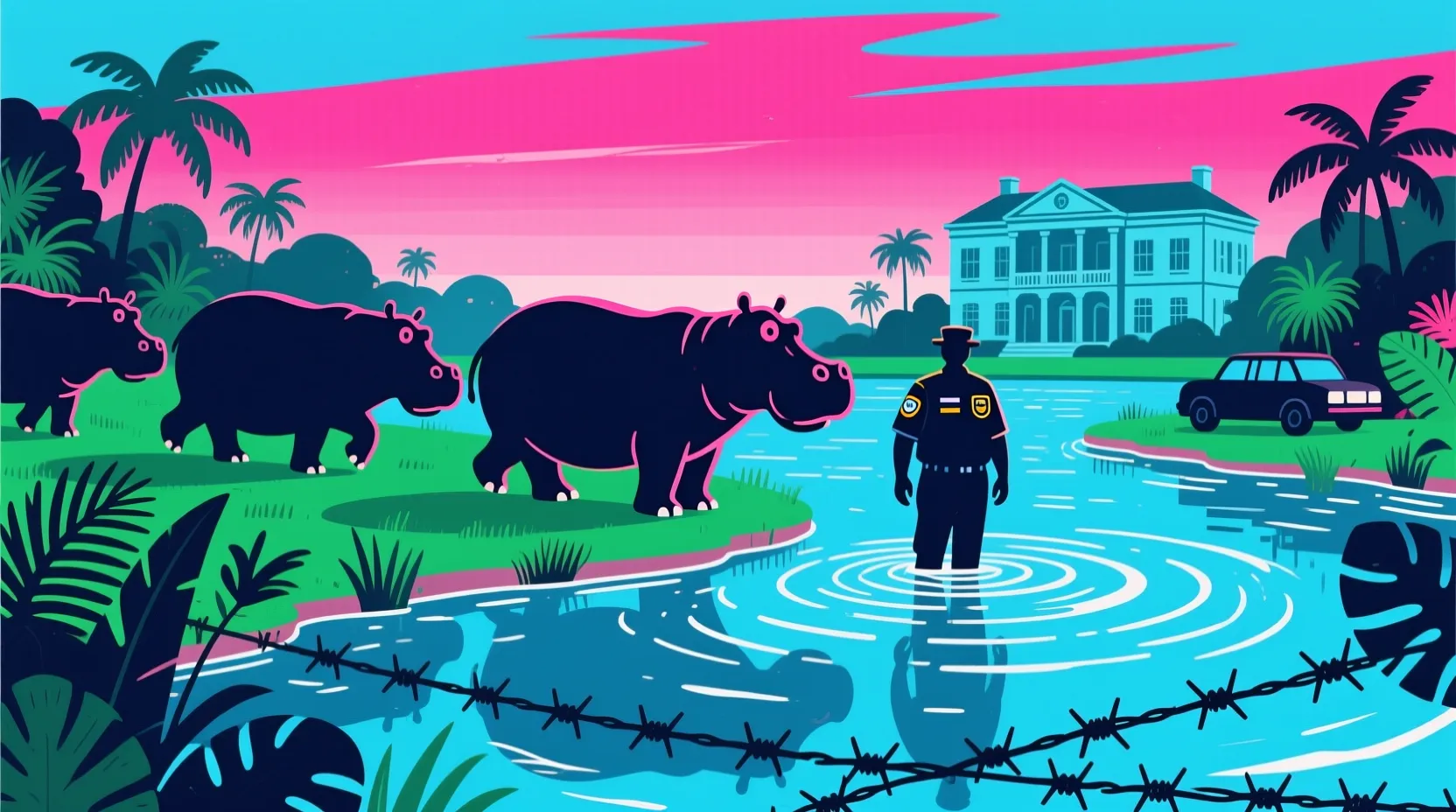
At a glance
What matters most
- Colombia has authorized the culling of up to 80 hippos descended from Pablo Escobar's private zoo.
- The animals have disrupted local ecosystems and posed safety risks as their numbers grow beyond 100.
- Critics say sterilization and relocation should be prioritized over lethal measures.
- The hippos have become both a tourist draw and a symbol of ecological imbalance.
Across the spectrum
What people are saying
A quick look at how the same story is being framed from different angles.
On the Left
The cull reflects a failure to invest in humane, science-based solutions. These animals aren't to blame for their origins, and killing them plays into a pattern of quick, violent fixes instead of long-term ecological stewardship. Colombia should expand sterilization efforts and treat the hippos as a chance to lead in innovative conservation.
In the Center
While the hippos are a unique part of Colombia's landscape, their unchecked growth poses real risks to people and the environment. A phased cull, paired with continued sterilization, may be the most practical way to manage a problem that's already out of balance.
On the Right
This is a matter of public safety and environmental responsibility. These animals are invasive, unpredictable, and multiplying rapidly. Sentimentality shouldn't override the need to protect communities and native species. The government is doing what's necessary, not what's easy.
Full coverage
What you should know
Colombian officials have given the green light to a controversial plan to cull up to 80 hippos wandering near the Magdalena River, descendants of four animals Pablo Escobar imported for his private estate in the 1980s. What began as a bizarre footnote in the story of the infamous drug lord has evolved into a full-blown ecological challenge. With the population now exceeding 100 and spreading across wetlands and rural communities, authorities say the animals are damaging native habitats and putting people at risk.
Hippos are not native to South America, and their presence in central Colombia has disrupted river systems and outcompeted local species for resources. They've also been involved in incidents that alarmed residents, including damaging crops and coming into close contact with people. Officials from Colombia's environment ministry say the cull is a necessary step to restore balance, especially as non-lethal methods like sterilization have proven too slow to keep pace with the animals' rapid reproduction.
Still, the decision has sparked debate. Animal welfare groups and some conservation scientists argue that killing the hippos ignores more humane solutions. They point to ongoing efforts to use chemical sterilization and relocation, though these programs have faced logistical and funding hurdles. Critics say the government is opting for the fastest fix rather than investing in long-term, sustainable management.
The hippos have also become something of a cultural phenomenon. Nicknamed "cocaine hippos" in media coverage, they draw tourists to the region and have even been embraced by some locals as an odd part of Colombia's modern identity. For others, they're a living reminder of a violent past that the country has worked hard to move beyond. This emotional layer makes the cull more than just an environmental decision-it's a reckoning with history.
Supporters of the cull stress that ecosystems can't wait. Invasive species, they note, often cause irreversible harm if left unchecked. With hippos altering water quality and displacing native wildlife like capybaras and caimans, acting sooner rather than later is critical. The government says the culling will be carried out humanely and in phases, with continued monitoring of the remaining population.
This isn't the first time countries have faced tough choices with invasive animals. From feral pigs in the American South to camels in Australia, managing species that thrive outside their natural habitat often forces uncomfortable trade-offs. In Colombia's case, the hippos' origin story adds a unique twist-one that blends conservation, public safety, and the lingering shadows of a notorious past.
As the cull moves forward, eyes will be on how Colombia balances these competing priorities. The outcome could set a precedent for how nations handle charismatic but disruptive animals, especially when they come with a story too strange to ignore.
About this author
Zwely News Staff compiles multi-source reporting into concise, viewpoint-aware coverage for readers who want context without noise.
Source Notes
Colombia approves plan to cull roaming hippos linked to Pablo Escobar
Colombian officials on Monday authorized a plan to cull dozens of hippos roaming freely through a region in the center of the country, where they threaten villagers and displace native species years after notorious drug lord Pablo Escobar b...
Colombia to cull dozens of wild hippos from herd started by Pablo Escobar
Colombian officials are set to cull around 80 wild hippos from a colony originally started by Pablo Escobar.
Colombia to cull dozens of Pablo Escobar’s ‘cocaine hippos’
The scores of wild hippos are descendants of four imported into the country by Pablo Escobar in the 1980s for his private zoo.
Colombia to cull up to 80 hippos descended from Pablo Escobar zoo
Dozens of feral pachyderms linked to drug kingpin to be killed because of threat to native species and villagersColombian officials have authorized a plan to cull dozens of hippos descended from animals brought to the country in the 1980s b...
Previous story
Oasis and a wave of British legends are finally getting their Rock Hall moment
Next story