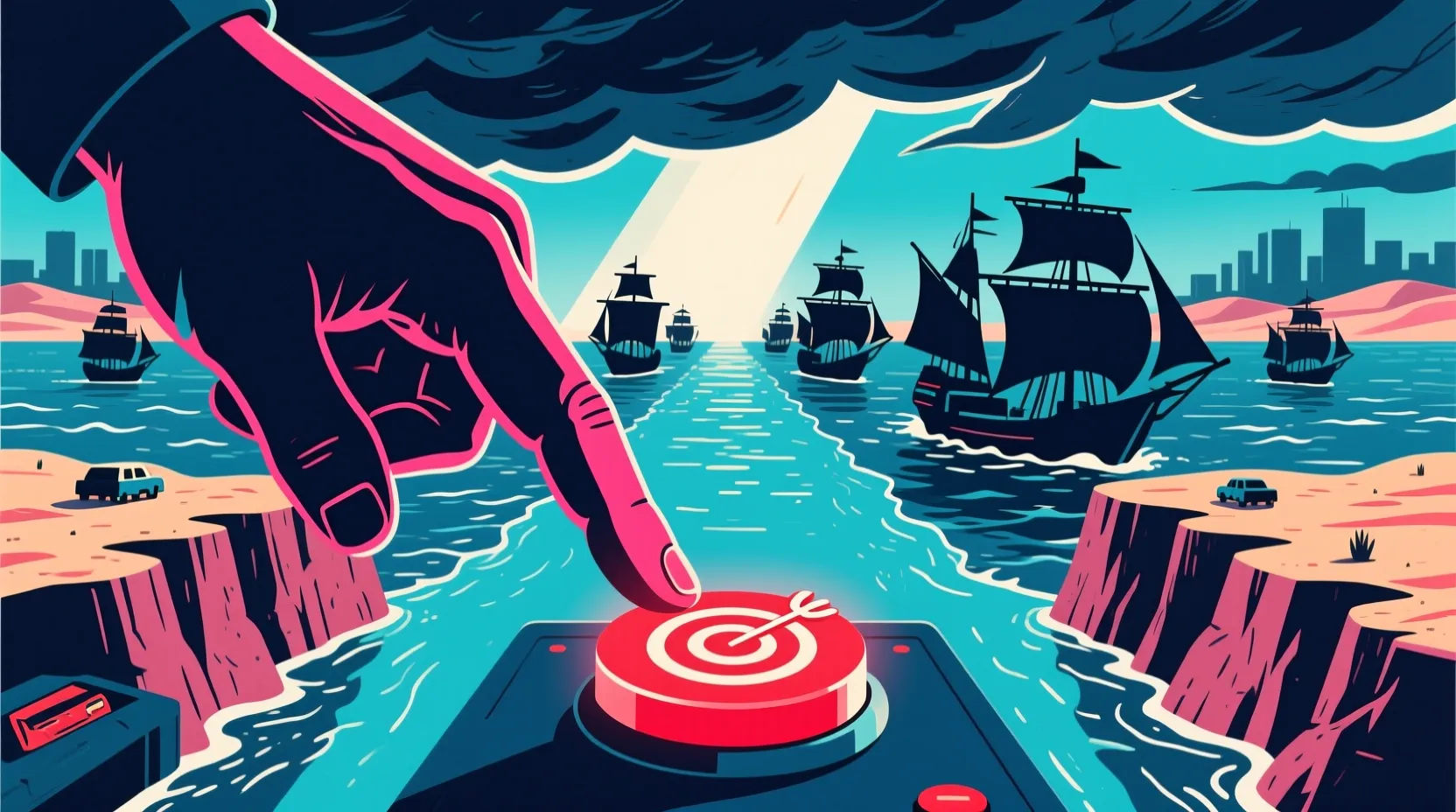
Trump's blockade at the Strait of Hormuz has markets and farmers on edge
A move aimed at Iran is now threatening global trade, food supplies, and economic stability
At a glance
What matters most
- President Donald Trump has ordered a U.S. Navy blockade of the Strait of Hormuz, cutting off a key route for Iranian oil exports.
- Economist Ken Griffin warns that if the strait remains closed for six to twelve months, a global recession is unavoidable.
- The UN's food agency warns of a potential food catastrophe due to rising commodity prices and supply chain disruptions.
- The move has drawn criticism from global leaders, including Pope Leo XIV, whom Trump has publicly rebuked.
Across the spectrum
What people are saying
A quick look at how the same story is being framed from different angles.
On the Left
Trump's blockade is a reckless escalation that prioritizes political theater over global stability. Instead of diplomacy, he's chosen a military stunt that punishes ordinary people through higher prices and supply shortages. The real victims won't be in Tehran - they'll be in cities and villages struggling to afford food and fuel.
In the Center
The blockade puts significant pressure on Iran, but it also carries steep global costs. While strategic leverage has its place, the economic and humanitarian fallout could outweigh the benefits if the closure lasts more than a few weeks. The administration will need to balance resolve with responsibility.
On the Right
Trump is finally taking strong action against a hostile regime that's long threatened global security. The short-term pain in markets is unfortunate, but weakening Iran's ability to fund terrorism and develop nuclear weapons is worth the cost. This is decisive leadership, not recklessness.
Full coverage
What you should know
President Donald Trump's decision to blockade the Strait of Hormuz over the weekend has sent shockwaves far beyond U.S.-Iran tensions. While the administration says the move is meant to weaken Iran's regime by cutting off its main maritime outlet, the consequences are quickly spreading into global markets, farms, and fuel tanks around the world.
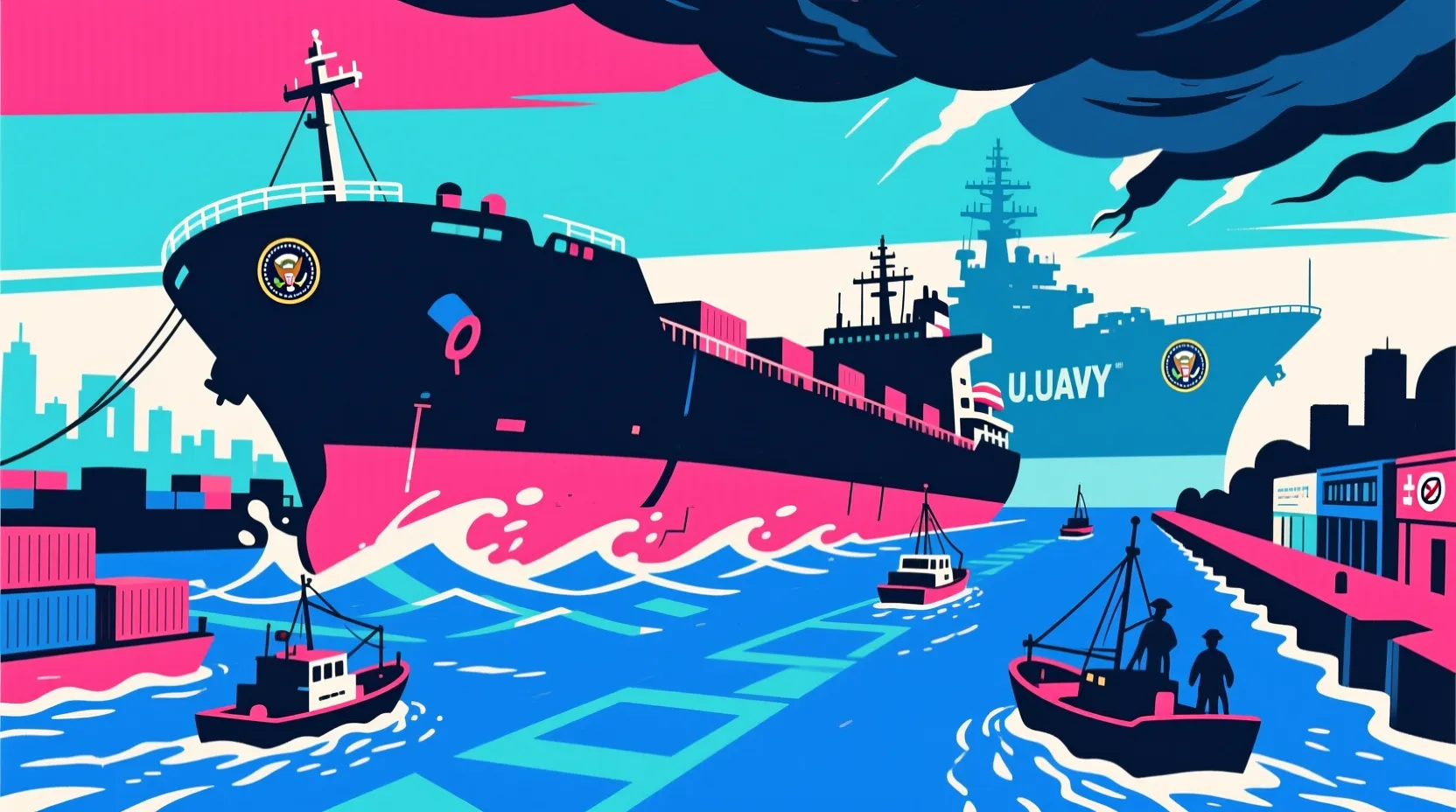
The Strait of Hormuz, a narrow waterway between Iran and Oman, is one of the planet's most critical energy chokepoints. About 20% of the world's oil passes through it daily. With U.S. Navy ships now enforcing a blockade, oil shipments have slowed to a trickle, and tanker rerouting is causing delays and spiking insurance costs.
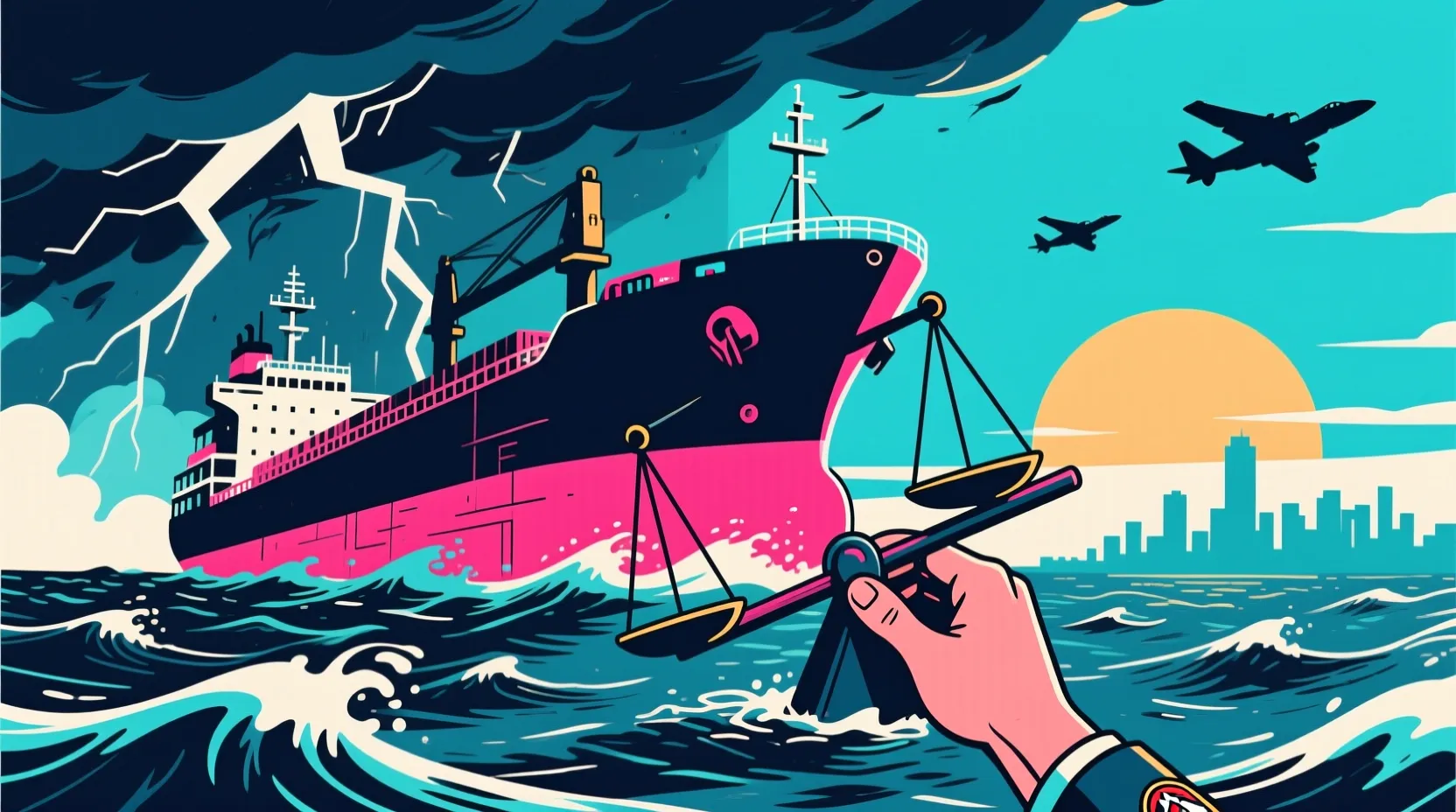
Ken Griffin, founder of Citadel, said a closure lasting six to twelve months would make a global recession "inevitable." In an interview with CNBC, he pointed to tightening oil supplies, rising inflation, and weakening consumer confidence as early warning signs. "This isn't just about Iran," Griffin said. "It's about how much stress the global economy can take before something breaks."
The United Nations' Food and Agriculture Organization (FAO) is sounding the alarm on another front: food. With shipping routes disrupted and fuel costs climbing, the cost of transporting grains, fertilizers, and other essentials is soaring. The FAO warns this could lead to a global food catastrophe, especially in import-dependent regions across Africa and South Asia.
Trump has defended the blockade as a necessary step to counter what he calls Iranian aggression. But the move has drawn rare criticism from global figures, including Pope Leo XIV, who recently called for diplomacy and restraint. Trump fired back on social media, calling the Pope "weak on crime" and "terrible on foreign policy," a remark that has stirred debate about the tone of U.S. leadership.
For now, the blockade remains in place, and there's no sign of immediate de-escalation. Energy analysts say oil prices could climb further if the situation drags on, and central banks are already reconsidering inflation forecasts. Some governments are tapping emergency fuel reserves, while others are urging citizens to prepare for higher grocery bills.
The stakes keep rising. What began as a targeted pressure campaign has become a test of how interconnected the modern world really is - and how quickly a single decision in one part of the globe can unsettle lives thousands of miles away.
About this author
Zwely News Staff compiles multi-source reporting into concise, viewpoint-aware coverage for readers who want context without noise.
Source Notes
Global recession is inevitable if Strait of Hormuz stays shut, says Citadel's Ken Griffin
A prolonged blockage of the Strait of Hormuz for the next six to 12 months will mean an unavoidable recession, the billionaire investor said.
World faces food ‘catastrophe’ if Strait of Hormuz disruption persists: FAO
Global agriculture is highly exposed to the blockage of waterways, risking higher commodity prices and food inflation.
Trump Imposes Blockade On Strait Of Hormuz. Here’s How That Could Cripple Iranian Regime.
President Donald Trump announced on Sunday that the United States Navy would begin blockading the Strait of Hormuz, effectively sealing off Iran’s primary maritime artery, an action that will cripple the Iranian regime’s capacity to resist...
Trump criticizes Pope Leo as ‘weak on crime’ and ‘terrible on foreign policy’
President Donald Trump criticized Pope Leo XIV on Sunday night, responding to recent remarks the pontiff made about Trump and his political agenda, particularly the war in Iran. Trump commented on Leo twice on Sunday, first in a social medi...
Previous story
Senate set to grill Kevin Warsh on Fed chair pick next week
Next story