Hank Paulson says the US economy can handle the Iran war's fallout better than anyone else
The former Treasury Secretary sees resilience in the US, but global shocks could still ripple through markets
At a glance
What matters most
- Hank Paulson believes the US economy is more resilient than others in handling fallout from the Iran conflict
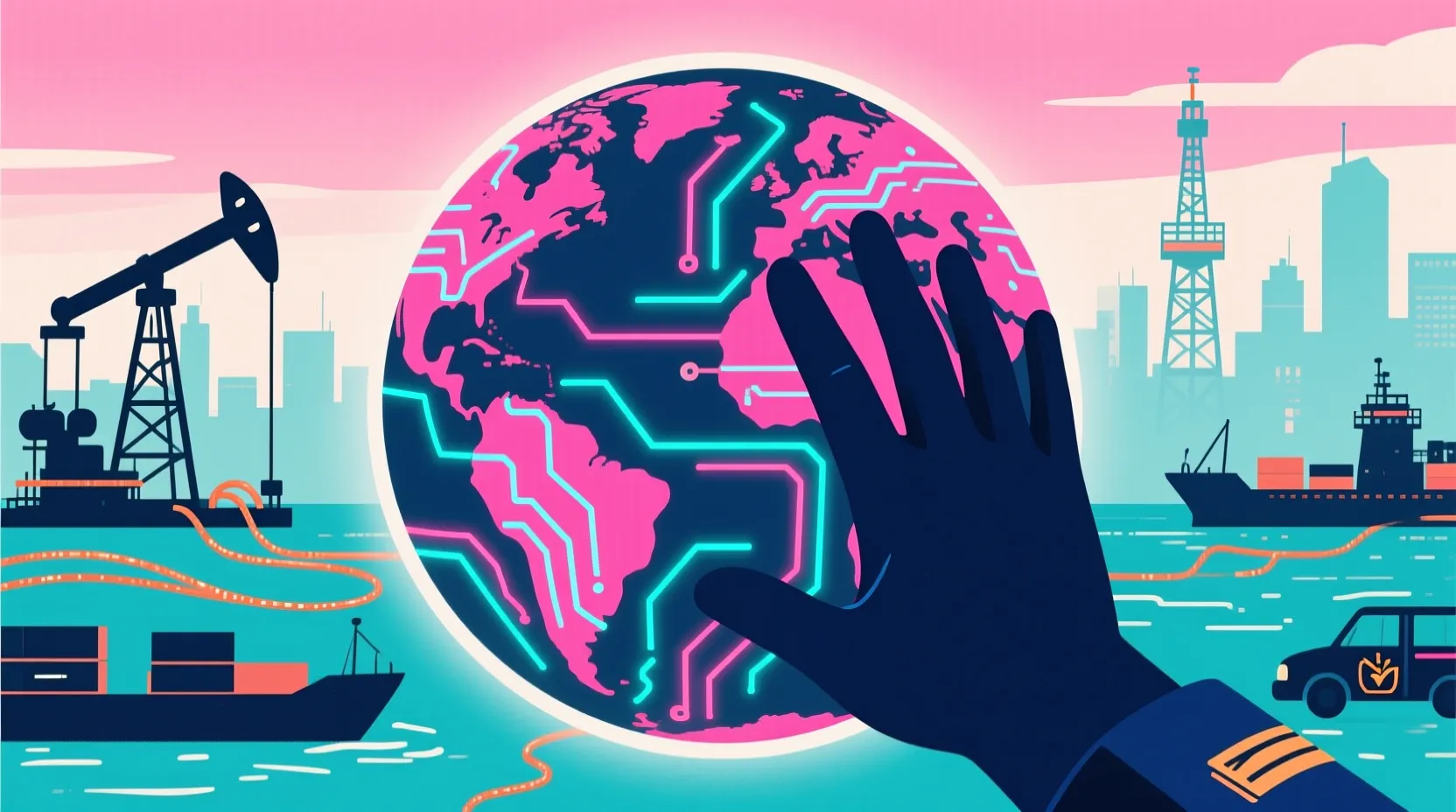
- Global supply chains, especially for copper and energy, are under strain, threatening broader economic ripple effects
- David Miliband warns that cuts to foreign aid could worsen humanitarian and economic crises in vulnerable regions
- Rising demand for industrial metals is outpacing supply, exposing weaknesses in US production capacity
Across the spectrum
What people are saying
A quick look at how the same story is being framed from different angles.
On the Left
Global crises can't be solved by national insulation alone-cutting aid undermines long-term stability and disproportionately harms vulnerable populations. The US has a responsibility to lead with diplomacy and support, not just rely on economic strength to ride out conflicts it helps shape.
In the Center
The US does have structural advantages in times of global turmoil, but supply chain fragility and reduced foreign aid create real risks. Smart policy should balance domestic resilience with international engagement to prevent localized conflicts from becoming broader economic threats.
On the Right
American strength comes from self-reliance, not foreign aid or global commitments. The US economy is built to endure external shocks, and the focus should stay on protecting domestic interests, energy independence, and fiscal discipline rather than expanding overseas spending.
Full coverage
What you should know
Former Treasury Secretary Hank Paulson is making the case that the US economy can withstand the turbulence sparked by the ongoing conflict with Iran better than any other major economy. Speaking in a recent Bloomberg Markets interview, Paulson pointed to the depth of US financial markets, energy independence, and strong domestic consumption as key buffers. While global shocks are inevitable, he argued, the structure of the American economy gives it a unique advantage when weathering international crises.
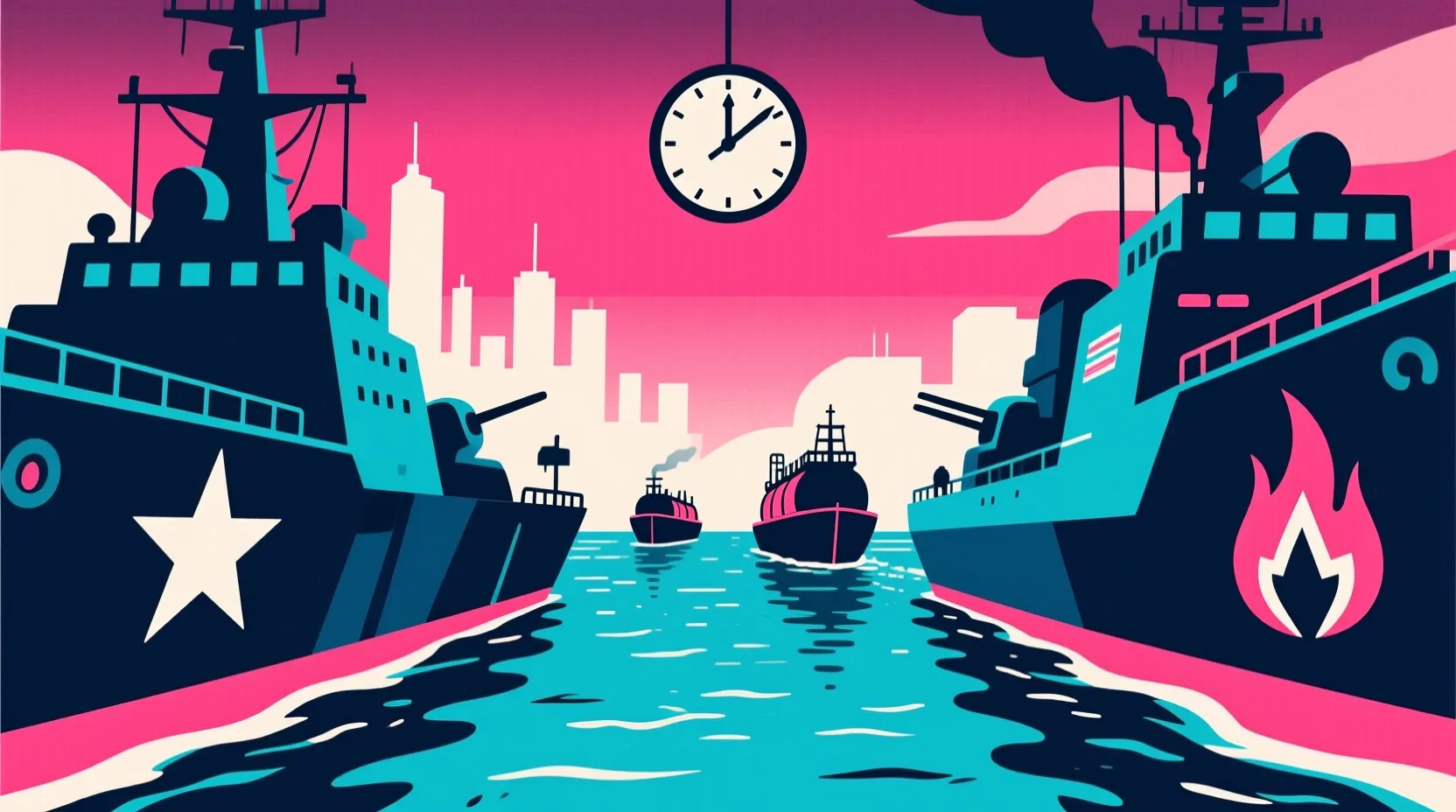
The conversation comes amid rising concerns about how the conflict is disrupting energy flows and supply chains. Oil prices have seesawed in recent weeks, and shipping through key Persian Gulf routes remains tense. Paulson acknowledged these pressures but stressed that the US is less dependent on Middle Eastern oil than in past conflicts. Still, he warned that secondary effects-like inflation spikes or financial contagion-could reach American markets through global trade and investor sentiment.
One underdiscussed risk, Paulson noted, is the strain on critical mineral supplies, especially copper. Demand for copper is soaring due to clean energy projects and AI infrastructure, but production isn't keeping up. The US currently relies heavily on imports, and geopolitical disruptions could worsen shortages. He called for more investment in domestic mining and processing to reduce long-term vulnerabilities.
Meanwhile, former UK foreign secretary David Miliband offered a different angle, warning that cuts to overseas aid are making the global response to the crisis weaker. In an interview with The Guardian, Miliband said that reducing humanitarian funding doesn't just hurt vulnerable populations-it increases the risk of broader economic instability. Refugees, food shortages, and collapsed health systems can create ripple effects that eventually reach wealthy nations through migration, trade, and security threats.
Miliband specifically criticized aid reductions by the US and UK, calling them short-sighted. He argued that investing in global stability isn't just a moral obligation but an economic safeguard. Without it, regional crises can escalate into systemic risks that no single country, not even the US, can fully insulate itself from.
Paulson didn't dispute the importance of global stability but focused on what the US can control. He emphasized the need for clear fiscal policy, especially as debates heat up over tax changes that could affect investment and growth. Uncertainty in Washington, he said, could undermine confidence at a time when steady leadership matters most.
Together, these views highlight a split in how leaders are thinking about risk: one focused on national resilience, the other on interconnected global consequences. The US may be better positioned than most, but in a tightly linked world, no economy stands entirely apart from the fallout of war.
About this author
Zwely News Staff compiles multi-source reporting into concise, viewpoint-aware coverage for readers who want context without noise.
Source Notes
Hank Paulson Says the US Will Weather Iran War Fallout Better Than Anyone Else
The former Treasury Secretary says the US will weather fallout from the war better than anyone
Wall Street Week | Paulson on Iran War, Energy Market Disruptions, Copper Supply Strain, Tax Debate
This week, Former Treasury Secretary Hank Paulson warns the biggest economic risk from the Iran war may come from global shocks spilling into US markets. Plus, How rising demand for copper is outpacing supply, exposing gaps in US production...
Cuts to overseas aid will worsen shocks to global economy, David Miliband says
Exclusive: Former UK foreign secretary says poor and rich countries alike will be hit amid humanitarian crisis sparked by Iran warCuts to overseas aid by countries including the US and the UK risk stoking global economic instability amid th...
Previous story
Trump warns of ceasefire end unless Iran deal is reached, as tensions flare over Hormuz
Next story