
Inflation ticks up to 3.3% in March as Iran conflict pushes energy costs higher
Gas and heating prices jumped, and that showed up fast in the latest inflation numbers
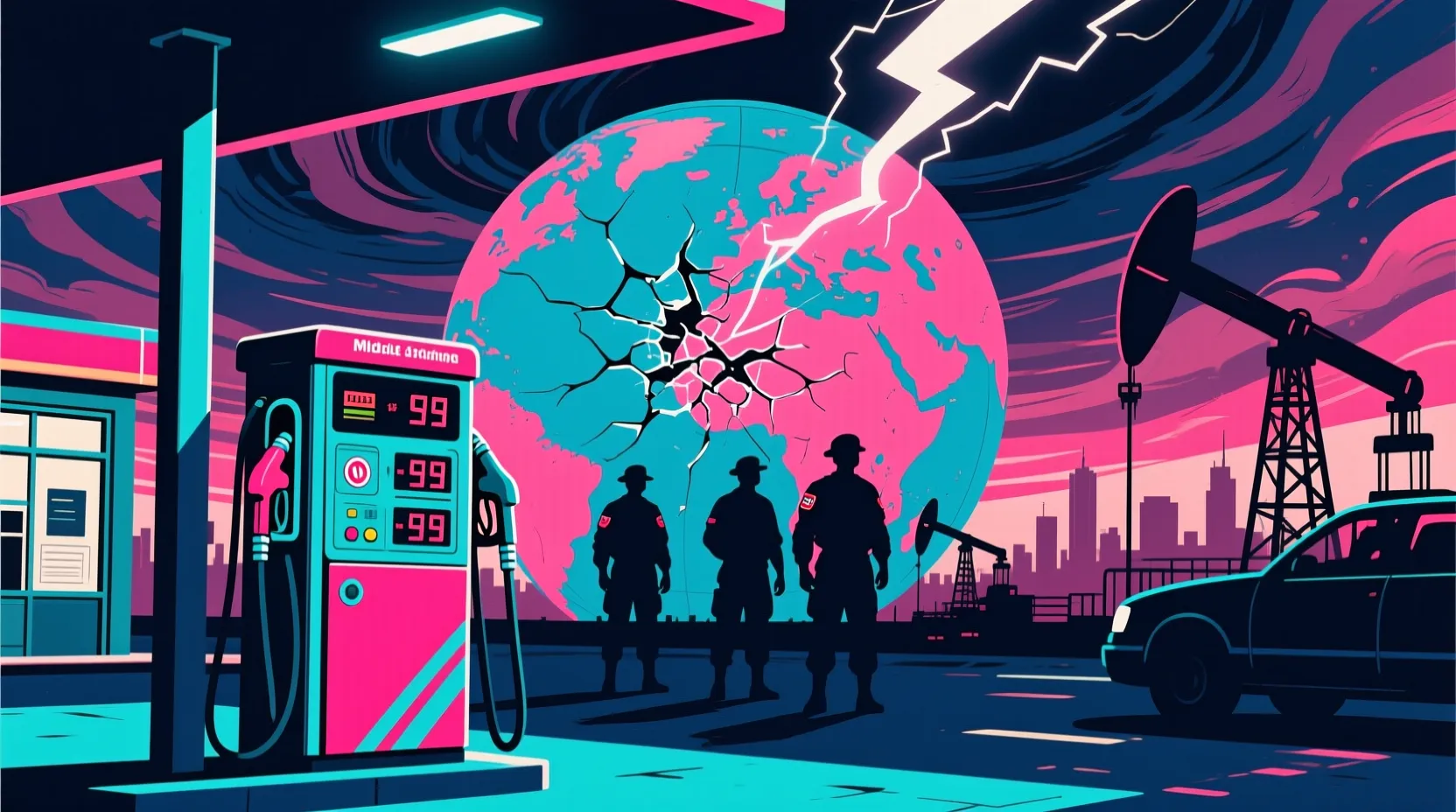
At a glance
What matters most
- Consumer prices were up 3.3% compared to a year ago, in line with forecasts.
- Energy costs surged, with gasoline and home heating prices driving much of the increase.
- The Iran conflict has disrupted oil markets, contributing to global price volatility.
- Monthly inflation rose 0.9%, reflecting sharp near-term price pressures.
Across the spectrum
What people are saying
A quick look at how the same story is being framed from different angles.
On the Left
The spike in inflation is a direct result of militarized foreign policy and corporate profiteering. Instead of investing in renewable energy and domestic resilience, the U.S. remains hooked on fossil fuels and entangled in Middle East conflicts that enrich oil companies while ordinary people pay more at the pump. The government should be accelerating the green transition, not repeating the same patterns that keep us vulnerable.
In the Center
Geopolitical events like the Iran conflict have a real and immediate impact on global markets, and this inflation bump reflects that reality. While the U.S. can't control overseas tensions, it can prepare with strategic reserves, balanced energy policy, and careful monetary management. The focus now should be on avoiding overreaction while supporting households through temporary price surges.
On the Right
Inflation is rising again because of weak foreign policy and a lack of American energy independence. Relying on unstable regions for oil leaves the economy exposed every time there's a crisis. The solution is clear: expand domestic production, rebuild alliances that protect shipping lanes, and stop policies that restrict U.S. energy output. Stronger leadership would prevent these recurring shocks.
Full coverage
What you should know
U.S. inflation climbed to 3.3% in March compared to the same month last year, according to new data from the Bureau of Labor Statistics. The rise, which matched analysts' expectations, was fueled largely by a jump in energy prices as the conflict involving Iran continues to rattle global oil markets. Consumers are already feeling it at the pump and on their utility bills, with gasoline and heating oil among the biggest contributors to the monthly 0.9% increase.
The surge marks the highest inflation rate since May 2024 and underscores how geopolitical tensions can quickly ripple through the economy. With shipping routes in the Persian Gulf under strain and oil production affected, crude prices have climbed steadily over the past two months. That volatility doesn't just hit drivers-it flows into transportation, manufacturing, and food prices too, making everyday goods more expensive across the board.
While core inflation, which strips out volatile food and energy costs, showed more modest gains, economists warn that sustained energy spikes could keep overall inflation sticky. "When energy prices stay high, they start to influence expectations," said one analyst. "Businesses adjust their pricing, and workers ask for higher wages. That's how temporary shocks become longer-term pressure."
The data arrives at a politically sensitive moment. With midterm elections approaching, rising prices are likely to become a central talking point. Lawmakers across the spectrum are pointing fingers-some at foreign policy decisions, others at domestic spending or energy policy. Meanwhile, the Federal Reserve is watching closely, though most officials don't expect an immediate shift in interest rates based on a single report.
Internationally, the impact is also being felt. In the UK, Prime Minister Keir Starmer recently criticized both U.S. and Russian actions in the region, saying they've worsened energy insecurity for European households. "We're paying the price for decisions made far from our shores," he said, calling for a coordinated diplomatic effort to stabilize shipping through the Strait of Hormuz.
For now, American families are left navigating higher costs without clear relief in sight. Retailers report softer demand for big-ticket items, and consumer sentiment surveys show growing concern about the economy. While the job market remains strong, wage growth hasn't fully kept pace with inflation in key spending categories.
What happens next depends heavily on how the situation in the Middle East evolves. If tensions ease and oil flows stabilize, some of the pressure could fade by summer. But if disruptions continue or worsen, another round of price hikes could follow-making inflation a stubborn feature of daily life for months to come.
About this author
Zwely News Staff compiles multi-source reporting into concise, viewpoint-aware coverage for readers who want context without noise.
Source Notes
Consumer prices rose 3.3% in March, as energy prices spiked due to Iran conflict
The consumer price index was expected to show a 3.3% year-over-year gain in March, according to the Dow Jones consensus.
US inflation soars in March as war on Iran drives economy into uncertainty
Prices were up 3.3% over the year, adding to the unpredictability that first came with Trump’s tariffs US inflation soared in March amid the US-Israel war with Iran, with prices up 0.9% compared to last month and 3.3% over the year, accordi...
US inflation rose to 3.3% in March on Middle East energy shock
Surge in prices highest since May 2024 as impact of Iran conflict spreads through global economy
Inflation jumped to 3.3% in March as Iran war drove up oil prices
Inflation spiked in March, rising nine-tenths of a percentage point to 3.3% on the year, as towering energy prices drove up the headline number. The Bureau of Labor Statistics reported the update to the consumer price index on Friday. The i...
Inflation surged in March as Iran war's energy impact hit consumers
The Bureau of Labor Statistics released the latest consumer price index data which showed that CPI inflation surged in March as the Iran war's imapct took a toll on consumer prices.
Starmer says he is ‘fed up’ with Trump and Putin’s impact on UK energy costs
PM appears to draw comparison between Russian and US leaders’ actions and calls for plan to restore Hormuz strait shippingUK politics live – latest updatesMiddle East crisis – live updatesKeir Starmer has said he is “fed up” with the effect...
Previous story
Trump is finding out Iran won't fall as easily as Venezuela did
Next story