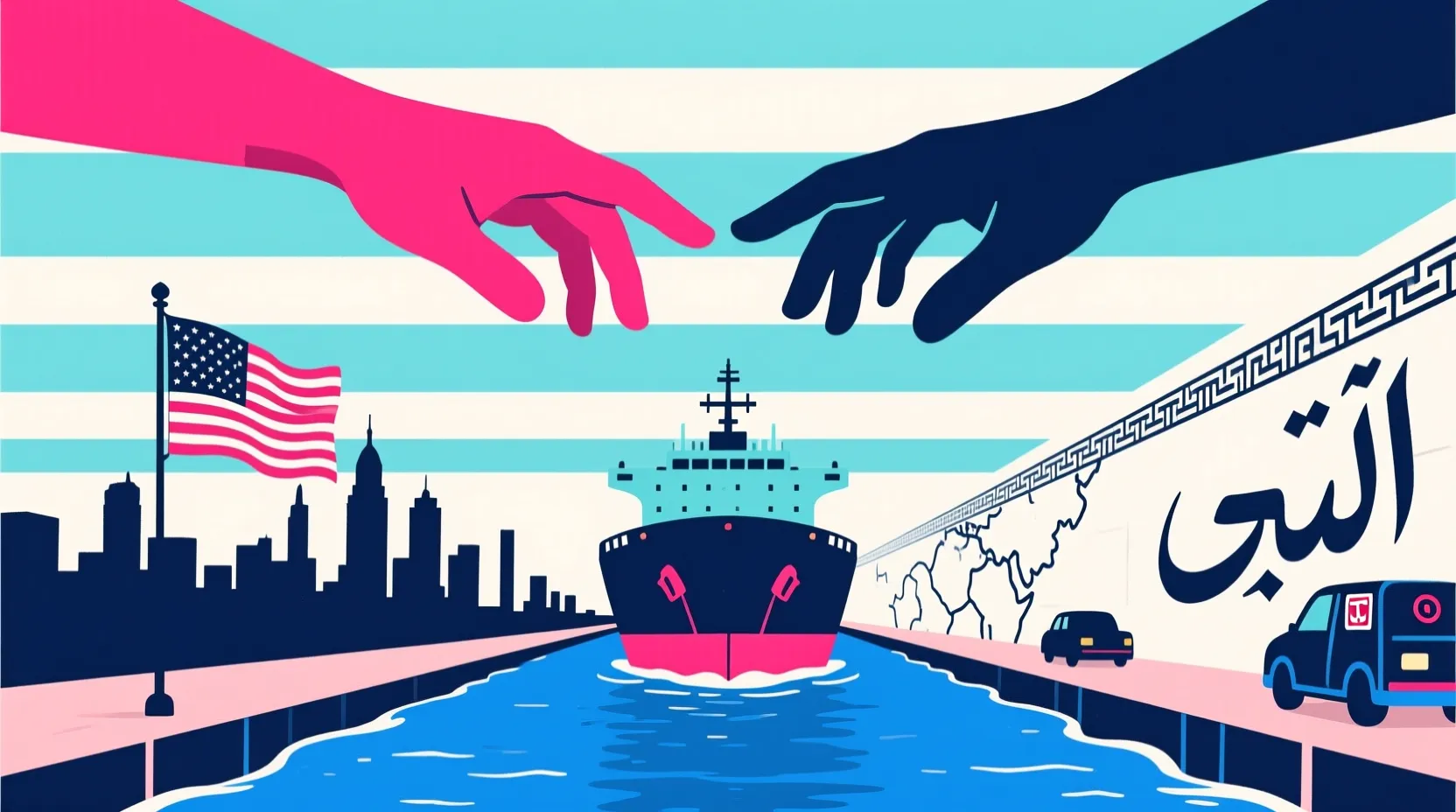
Iran is playing hardball over Lebanon, and it's putting US ceasefire hopes in jeopardy
A show of force in the Strait of Hormuz has shifted the momentum just before peace talks in Pakistan.

At a glance
What matters most
- Iran flexed military muscle in the Strait of Hormuz, raising stakes ahead of ceasefire talks in Pakistan.
- The U.S. is urging Israel to scale back strikes in Lebanon to keep negotiations on track.
- Iran's actions highlight its influence over regional dynamics and its willingness to use it.
- Ceasefire efforts are hanging in the balance as diplomatic pressure mounts this weekend.
Across the spectrum
What people are saying
A quick look at how the same story is being framed from different angles.
On the Left
Iran's actions are a predictable response to years of U.S. and Israeli military pressure. Rather than treating Tehran as a pariah, the U.S. should engage it directly as a necessary player in regional stability. Isolating Iran only pushes it toward more aggressive posturing.
In the Center
Iran is using its strategic position to influence events, which is standard in geopolitics. The challenge for the U.S. is managing competing interests without letting the situation spiral. Diplomacy requires both pressure and patience, especially when multiple actors have something to gain or lose.
On the Right
Iran's show of force is intimidation, plain and simple. Giving in to such tactics rewards aggression and undermines U.S. allies like Israel. Strong deterrence, not concessions, is the only way to ensure long-term security in the region.
Full coverage
What you should know
This week, Iran made it clear it won't be sidelined in Middle East diplomacy. By conducting a visible show of force in the Strait of Hormuz, Tehran has thrown its weight behind Lebanon and sent a message to Washington: any ceasefire deal must account for its interests. The timing is no accident-talks are set to begin this weekend in Pakistan, and Iran is ensuring it's not left out of the conversation.
The U.S., caught in the middle, is now pushing Israel to pull back from aggressive airstrikes in Lebanon that have deepened civilian suffering and drawn sharp international criticism. President Trump has reportedly reached out to Prime Minister Benjamin Netanyahu, urging restraint to preserve the fragile chance for diplomacy. The administration sees the Pakistan talks as a rare opening to slow the conflict, but that window is narrowing fast.
The Strait of Hormuz is one of the world's most critical oil shipping lanes, and any disruption there sends shockwaves through global markets. Iran's military activity didn't block traffic, but it served as a reminder of its ability to do so. Analysts say the move wasn't an outright threat, but more of a pointed demonstration-like tapping a knife on the table during a negotiation.
For years, Iran has backed Hezbollah in Lebanon, supplying weapons and strategic support. Now, with fighting intensifying, Tehran is using that relationship as leverage. It's not calling for all-out war, but it's making clear that peace won't come cheap-and won't happen without concessions.
The ceasefire talks in Pakistan are meant to bring together regional players and U.S. envoys to map a path toward de-escalation. But with Iran asserting its role so visibly, and Israel resisting pressure to halt operations, the odds of a breakthrough look slim. Still, diplomats say even small progress-like a temporary pause in strikes-could create space for more lasting agreements down the line.
What happens next depends heavily on how Washington balances its alliances. Pushing Israel too hard could strain a key partnership, but ignoring Iran's signals might kill the talks before they start. For now, the region is holding its breath, waiting to see whether diplomacy can catch up with the pace of conflict.
This isn't just about one border or one battle. It's about who gets a seat at the table when peace is negotiated. And right now, Iran is insisting its chair remains front and center.
About this author
Zwely News Staff compiles multi-source reporting into concise, viewpoint-aware coverage for readers who want context without noise.
Source Notes
Iran plays hardball on Lebanon, threatening US ceasefire talks
Iran flexed its leverage in the Strait of Hormuz this week, forcing President Trump to lean on Israeli Prime Minister Benjamin Netanyahu to scale back deadly strikes in Lebanon ahead of ceasefire negotiations planned in Pakistan this weeken...
Operation Eternal Darkness Threatens Iran Ceasefire Deal
Robby Soave and Christian Britschgi play a little war vs. music game before they go back over COVID craziness and the joys of Pokémon.
Previous story
Top US and Canadian officials are sounding the alarm over a new AI model's cyber risks
Next story