
Iran keeps Hormuz shut, demanding US lift port blockade as global fuel concerns grow
The standoff continues into its second month, with shipping at a standstill and Europe bracing for flight disruptions.
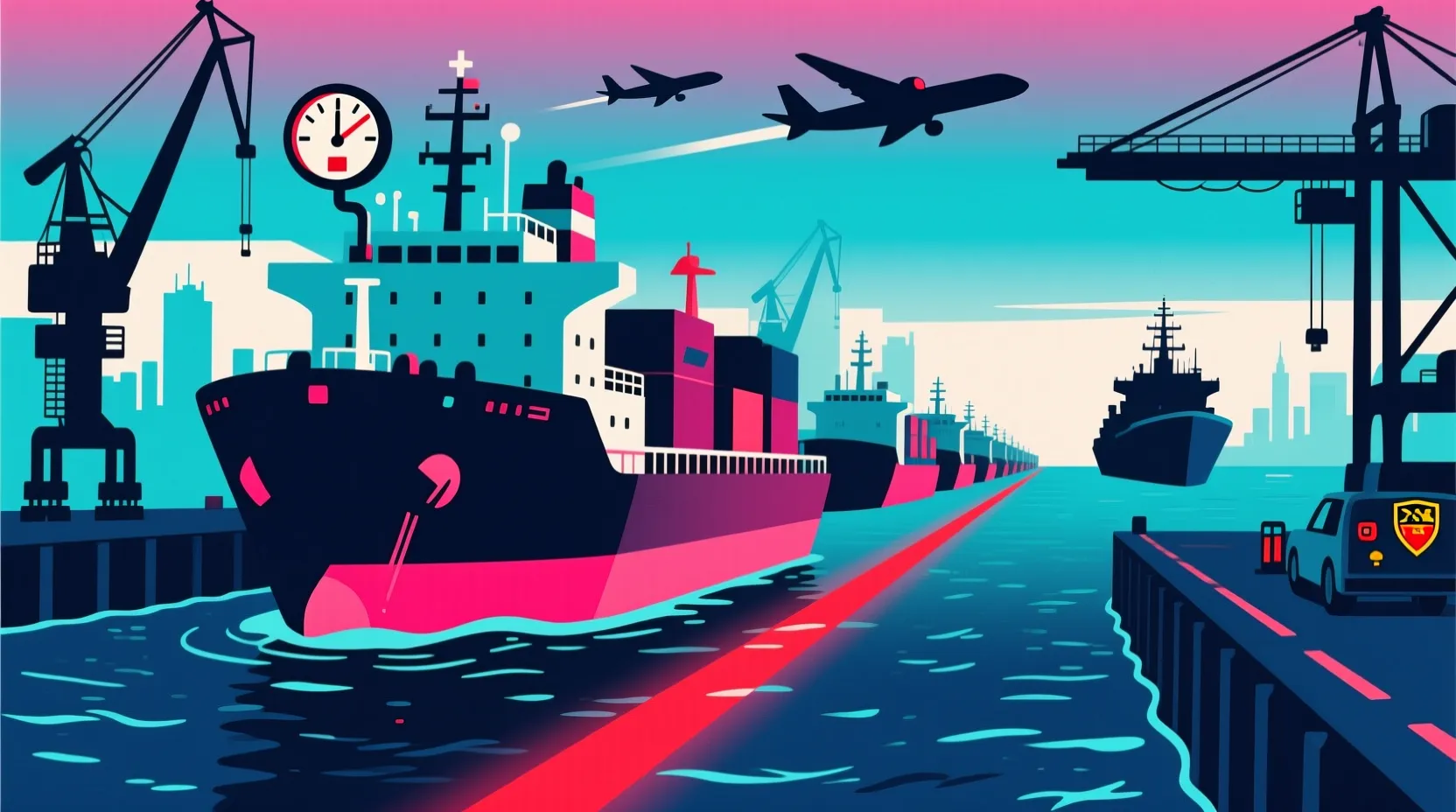
At a glance
What matters most
- Iran refuses to reopen the Strait of Hormuz unless the US ends its blockade of Iranian ports.
- The closure has lasted over seven weeks, disrupting global oil and jet fuel shipments.
- Europe is preparing for potential flight cuts due to fuel shortages linked to the crisis.
- Despite a regional ceasefire, US-Iran tensions remain high over maritime access and sanctions.
Across the spectrum
What people are saying
A quick look at how the same story is being framed from different angles.
On the Left
Iran's closure of the Strait of Hormuz is a direct response to what many see as an unjust and disproportionate US blockade of its ports. From this perspective, Iran is using its strategic leverage to resist what it views as economic warfare, and its firm stance has drawn attention to the broader consequences of American sanctions policy. Critics argue that the US approach has escalated tensions unnecessarily and that diplomacy, not coercion, should lead the way.
In the Center
Both sides are entrenched in a high-risk standoff with global consequences. Iran's closure of the Strait of Hormuz is a powerful but disruptive move that affects neutral countries and global markets. At the same time, the US port restrictions are seen as part of a broader pressure campaign. A sustainable resolution will likely require mutual concessions and third-party mediation to avoid further economic fallout.
On the Right
Iran's closure of the Strait of Hormuz is an act of economic coercion that threatens global stability and energy security. While the US has imposed port restrictions to counter Iranian aggression, Tehran's response punishes innocent nations and emboldens rogue state behavior. From this angle, maintaining pressure on Iran is necessary to prevent further destabilization and to uphold international maritime norms.
Full coverage
What you should know
Iran is holding firm on its closure of the Strait of Hormuz, warning that the vital waterway will stay shut until the United States lifts its restrictions on Iranian port access. Now in its 51st day, the blockade has thrown global shipping into disarray, with tankers rerouted and fuel supplies tightening, especially in Europe. Tehran frames the US actions as a "siege," and its response-shutting down one of the world's most critical oil transit routes-has upped the pressure on Washington to negotiate.
The Strait of Hormuz, a narrow channel between Iran and the Arabian Peninsula, normally carries about a fifth of the world's oil. Its closure has forced energy markets into volatility, with prices spiking and countries scrambling to secure alternative supplies. European officials are now warning that airlines may need to cut flights due to jet fuel shortages. The European Union is expected to release new guidance urging member states to reduce reliance on Middle Eastern fuel and explore imports from the US.
While a broader ceasefire has taken hold in parts of the region, including a pause in Israel's actions in Lebanon, the maritime standoff between the US and Iran remains unresolved. The American Conservative noted that even under ceasefire terms, military activity hasn't fully ceased, underscoring how fragile the current calm really is. Iran's demand is clear: no movement in the Strait until its ports are unblocked.
The economic ripple effects are becoming harder to ignore. Shipping companies are facing longer routes and higher costs, which could translate into higher prices for consumers. Energy analysts say the longer the closure lasts, the more likely it is to trigger a broader supply crunch, particularly as global demand climbs in the spring and summer months.
On the diplomatic front, there's little public sign of movement. The US has not signaled any willingness to lift port restrictions, and Iran shows no urgency to reopen the Strait unilaterally. Behind the scenes, there are reports of indirect talks, but no breakthroughs. The situation remains a high-stakes game of leverage, with both sides testing how much pressure the other can bear.
Some observers have noted the unusual public relations edge Iran appears to have gained. A HuffPost report highlighted commentary crediting Iran with a "very clever" strategy, suggesting that its disciplined messaging has resonated internationally, even as it faces severe sanctions. Whether that translates into diplomatic gains remains to be seen.
For now, the world watches and waits. With no end in sight, the Hormuz standoff isn't just a regional flashpoint-it's a global economic concern. How long shipping can adapt, and how much strain consumers and governments can absorb, may determine when and how this crisis finally breaks.
About this author
Zwely News Staff compiles multi-source reporting into concise, viewpoint-aware coverage for readers who want context without noise.
Source Notes
Iran warns Hormuz will stay shut unless US lifts siege on its ports
Tehran is threatening to keep the Strait of Hormuz shut unless Washington lifts the ‘US siege’ on Iranian ports.
Iran war: What is happening on day 51 of the US-Iran conflict?
Tehran will keep the strategic Strait of Hormuz closed until Washington ends the blockade of Iranian ports.
Ceasefire Day 11: Strait of Hormuz Closed, Passage Subject to Coordination with Iran
State of the Union: Despite the ceasefire, Israel said it carried out airstrikes and artillery fire in Lebanon. The post Ceasefire Day 11: Strait of Hormuz Closed, Passage Subject to Coordination with Iran appeared first on The American Con...
Jet Fuel Crunch Looms: Europe Faces Flight Cuts As Iran War Drags On
The European Union will urge members to cut their dependence on Middle Eastern jet fuel and look into increasing imports from the U.S., in new guidelines expected next week, an official source told Reuters, as the Iran war disrupts global s...
MS NOW Reporter Gives Iran Credit For 1 'Very Clever' Strategy: 'A Cultural Phenomenon'
Ken Dilanian noted that President Donald Trump has "probably been more hurtful to America's image" than the "phenomenon" in question.
The Pitt: The Video Game parody will brighten up your weekend
The Pitt: The Video Game imagines what the HBO Max medical drama that just wrapped up its second season would look like as a retro video game
Previous story
Judge says government likely broke First Amendment by pushing Apple and Google to remove ICE-tracking tools
Next story