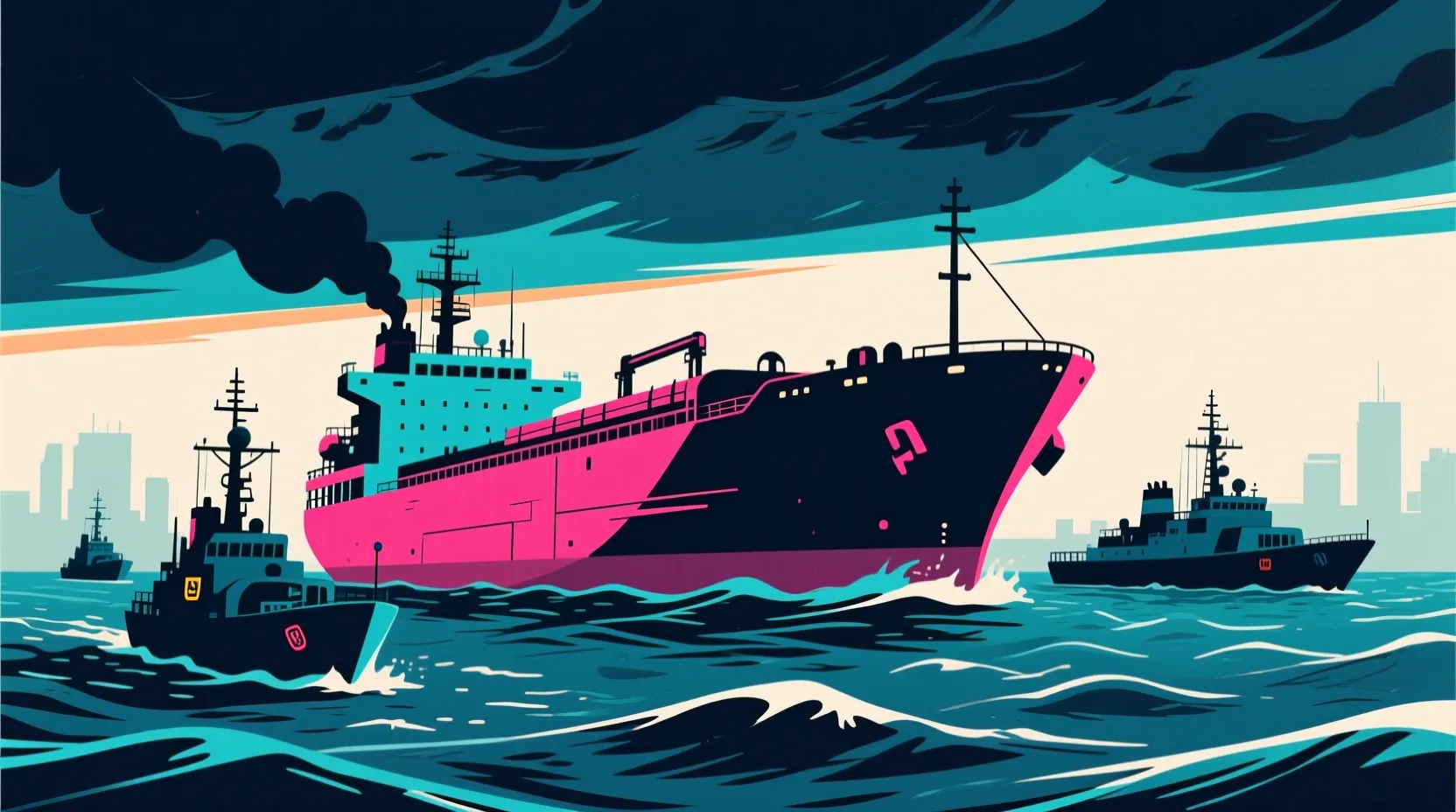
Iran warns of new military moves if ceasefire collapses, as Trump pressures Tehran to negotiate
With talks stalled and the Strait of Hormuz quiet, both sides are digging in ahead of a critical 120-hour window.

At a glance
What matters most
- Iran's parliament speaker warned that Tehran is prepared for new military actions if the ceasefire breaks down, accusing Trump of violating the truce.
- No U.S.-Iran talks have started in Islamabad, and no Iranian officials have confirmed attendance, raising doubts about diplomacy moving forward.
- The Strait of Hormuz saw no tanker traffic over the weekend, underscoring the high stakes as both sides face a narrowing window to de-escalate.
- Trump is pushing to dismantle Iran's nuclear and proxy networks, calling the next 120 hours 'defining' for U.S. security.
Across the spectrum
What people are saying
A quick look at how the same story is being framed from different angles.
On the Left
Trump's aggressive stance is escalating tensions unnecessarily, risking war for political gain. With public support waning and diplomacy sidelined, his 'maximum pressure' strategy appears more about reelection than national security. Iran's warnings are a direct result of U.S. provocations, and without serious engagement, the path leads to disaster.
In the Center
Both sides are locked in a high-risk game of patience and pressure. Iran's silence and military signaling suggest a strategy of endurance, while Trump is leveraging U.S. strength to force concessions. The lack of dialogue increases the chance of miscalculation, making renewed talks in Islamabad essential to avoid unintended conflict.
On the Right
Trump is standing firm against a hostile regime that sponsors terrorism and threatens global energy supplies. Iran's refusal to negotiate and its military threats prove that only sustained pressure works. The next 120 hours are a defining test of leadership-and backing down now would reward aggression.
Full coverage
What you should know
Iran is raising the rhetorical heat as the fragile ceasefire with the United States teeters. Parliament Speaker Mohammad Bagher Qalibaf said Monday that Iran's armed forces are "prepared to reveal new cards on the battlefield" if fighting resumes, accusing President Trump of already violating the terms of the truce. The warning comes amid stalled diplomatic efforts in Islamabad, where a high-stakes meeting meant to extend the ceasefire has yet to begin, with no public confirmation that Iranian officials will even show up.
The silence from Tehran has only sharpened the tension. Over the weekend, not a single commercial tanker passed through the Strait of Hormuz-a rare stillness that underscores how tightly both sides are holding their ground. The waterway, usually bustling with energy traffic, has become a symbol of the broader standoff. With no movement on negotiations, analysts say the next few days could determine whether diplomacy gets a second wind or gives way to renewed conflict.
President Trump, meanwhile, is framing the moment as a decisive test of American resolve. In recent statements, he's called for the complete dismantling of Iran's nuclear program and its network of regional proxies, labeling the next 120 hours as critical. Advisers close to the administration describe a strategy of maximum pressure aimed at forcing Tehran to the table on U.S. terms. But so far, Iran appears to be waiting Trump out, betting that political headwinds at home may weaken his position.
That calculation may not be unfounded. Recent polling highlighted by HuffPost Politics shows Trump's approval ratings on foreign policy at record lows, with CNN data analyst Harry Enten calling this his "worst position ever" on what voters see as the top national issue. While the administration argues that tough stances prevent war in the long run, critics say the current approach risks miscalculation without a clear off-ramp.
On the ground, there's little sign of de-escalation. Iranian state media have amplified military drills and missile readiness, while U.S. forces in the Gulf remain on high alert. Diplomats in Islamabad are still preparing for talks, but without confirmed participation from Iran, the meeting risks becoming symbolic rather than substantive. The lack of direct communication channels between Washington and Tehran only deepens the uncertainty.
What makes this moment especially volatile is the mix of military posturing and political timing. Trump is pushing for a legacy-defining foreign policy win ahead of the 2028 election cycle, while Iran's leadership appears focused on survival and strategic patience. Neither side wants to be seen as backing down, but both understand the cost of failure.
For now, the world watches a quiet strait and a silent negotiating table, hoping that the next move isn't a shot fired. With so much hanging in the balance, the coming days may not just shape U.S.-Iran relations-they could redefine security in the Middle East for years to come.
About this author
Zwely News Staff compiles multi-source reporting into concise, viewpoint-aware coverage for readers who want context without noise.
Source Notes
Iran ‘prepared to reveal new cards on the battlefield’ if ceasefire ends: Parliament speaker
Iranian Parliament Speaker Mohammad Bagher Qalibaf on Monday accused President Trump of violating the ceasefire between the U.S. and Iran and said his country’s armed forces are “prepared to reveal new cards” if fighting resumes. “Trump, by...
Iran seeks to wait Trump out as ceasefire deadline nears
Preparations are being made in Islamabad for a high-stakes meeting between U.S. and Iranian officials to extend a ceasefire and avoid returning to open conflict. Iranian officials have not yet publicly committed to appearing in Islamabad, w...
‘Finish the Job’: Mehek Cooke on Iran, the Strait of Hormuz, and Trump’s Defining 120 Hours
Iran is running out of options as President Donald Trump applies unprecedented pressure to permanently dismantle Tehran’s nuclear and proxy terror network, said The Daily... Read More The post ‘Finish the Job’: Mehek Cooke on Iran, the Stra...
Ceasefire Day 13: Iran Says No Plans to Negotiate Yet
State of the Union: No tankers passed through the Strait of Hormuz on Sunday The post Ceasefire Day 13: Iran Says No Plans to Negotiate Yet appeared first on The American Conservative.
Trump Is In His 'Worst Position Ever' On This Key Issue, CNN's Harry Enten Says
The data chief said the president is hitting "record lows" in the polls on the No. 1 issue facing Americans today.
Previous story
John Ternus is taking over as Apple's CEO while Tim Cook moves to chairman
Next story