It's the economy, Viktor
Hungary's prime minister is betting his re-election on unorthodox policies - but voters may be losing patience.
At a glance
What matters most
- Viktor Orbán is staking his re-election on unorthodox economic policies that have fueled inflation and public frustration.
- Critics are using his hometown as a symbol of alleged corruption and excess, drawing tourists and activists alike.
- Once a reliable base of support, rural voters are beginning to question whether the benefits of Orbán's policies are reaching ordinary Hungarians.
- The upcoming election could hinge on economic performance, not nationalist rhetoric.
Across the spectrum
What people are saying
A quick look at how the same story is being framed from different angles.
On the Left
Orbán's economic model has enriched his allies while leaving ordinary Hungarians behind. His hometown's transformation is a visible reminder of how public funds have been funneled into pet projects with little oversight. The growing backlash reflects a demand for fairness, transparency, and real investment in people - not propaganda.
In the Center
Orbán's policies provided short-term relief during tough economic times, but they've also created long-term risks. The situation in Felcsút raises legitimate questions about accountability, and with inflation still high, voters are right to scrutinize whether the government's approach is sustainable.
On the Right
Orbán has protected Hungarian families from global economic shocks by keeping energy prices low and supporting traditional values through policy. The focus on his hometown is a political stunt - a way to distract from real issues like border security and EU overreach that still matter most to voters.
Full coverage
What you should know
Hungarian Prime Minister Viktor Orbán has long framed his leadership around national pride, conservative values, and resistance to EU overreach. But as the next election draws closer, the conversation has shifted - and it's turning to money. After years of state spending, price controls, and subsidies aimed at shielding households from inflation, many Hungarians are asking whether the economic math still adds up.
Orbán's government has leaned heavily on what analysts call unorthodox economic tools: freezing utility prices, offering generous family support packages, and expanding public sector wages. While these moves boosted popularity early on, they've also contributed to rising inflation and strained public finances. Now, with inflation hovering near 8% and household debt climbing, voters are starting to feel the pinch.
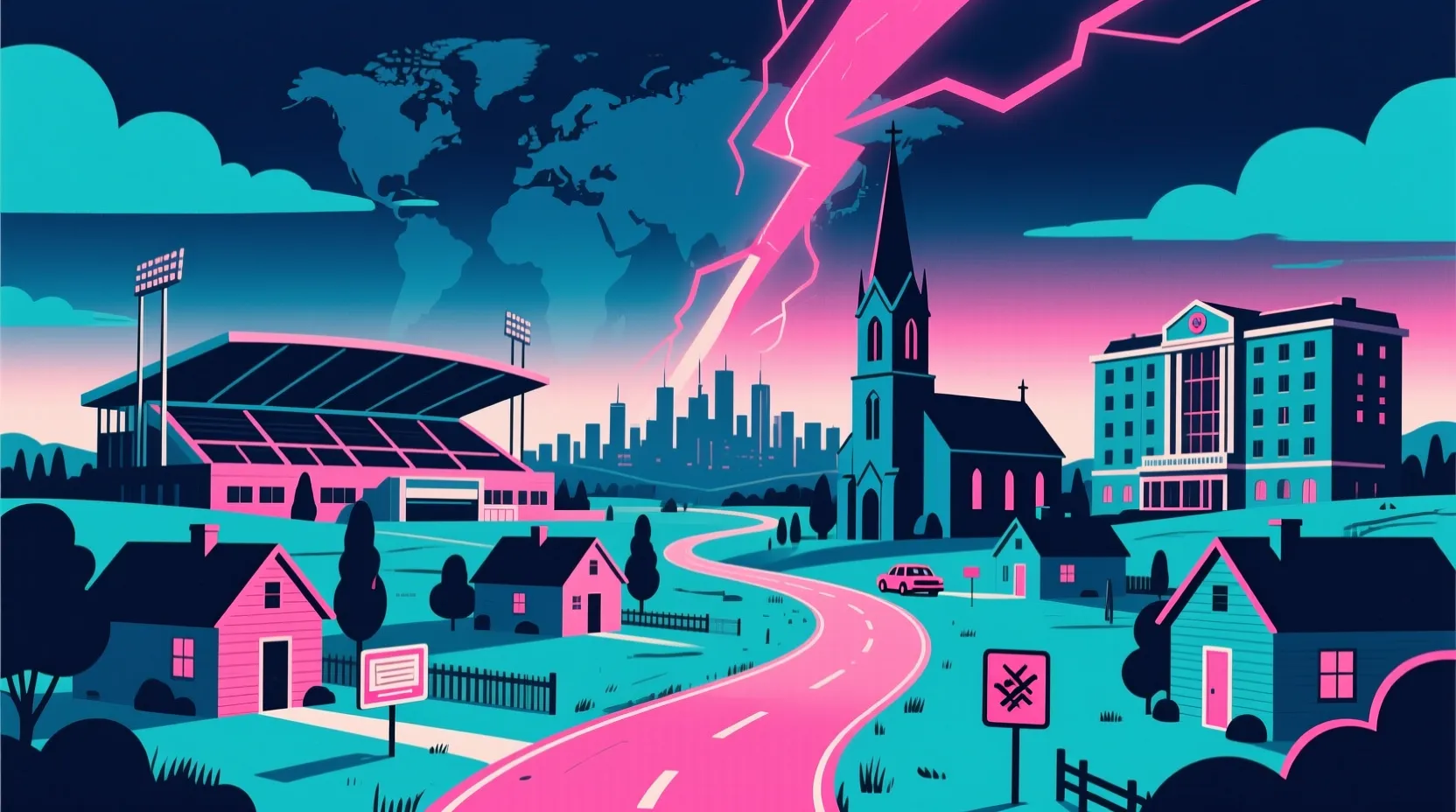
That discontent is finding a focal point in Felcsút, Orbán's small hometown. Once an obscure village, it's now home to a national football academy, a luxury hotel, and a sprawling church - all built with public funds. Critics say the town has become a monument to favoritism and unchecked power. Organized tours now bring visitors to see what some call the 'Orbán empire,' turning local infrastructure into political theater.
These optics are feeding a broader narrative: that the benefits of Hungary's economic model are concentrated among allies and insiders. Independent economists warn that long-term growth is being sacrificed for short-term political gains. Even some longtime supporters in rural areas are beginning to wonder if the promises of stability and prosperity have fallen short.
The timing is delicate. Orbán has called early elections for later this year, betting that nationalist messaging and anti-immigration rhetoric will still carry the day. But early polls suggest the economy is now the top concern for voters - surpassing even security and sovereignty.
Opposition parties, once fragmented, have coalesced around economic accountability and transparency. They're not just attacking policies; they're challenging the story Orbán has told for over a decade about who benefits from Hungary's success.
If voters decide the economy isn't working for them, it won't matter how loud the rhetoric gets. For a leader who's mastered the politics of identity and fear, the quiet grind of grocery bills and heating costs might be the most powerful force of all.
About this author
Zwely News Staff compiles multi-source reporting into concise, viewpoint-aware coverage for readers who want context without noise.
Source Notes
It’s the Economy, Viktor
Hungary’s prime minister could lose his election bet on ‘unorthodox economics.’
How Hungarian Prime Minister Viktor Orbán's hometown became a symbol of excesses
Hungarian Prime Minister Viktor Orbán has long been accused of corruption. Sightseers now flock to his hometown as groups aim to raise awareness of what they say are the leader's excesses.
Previous story
Susan Sarandon played an older Sabrina Carpenter at Coachella and people can't stop talking about it
Next story