Trump and Vance are sending mixed signals on Iran, and people are paying attention
As peace talks begin, the president's tough talk clashes with his vice president's optimism
At a glance
What matters most
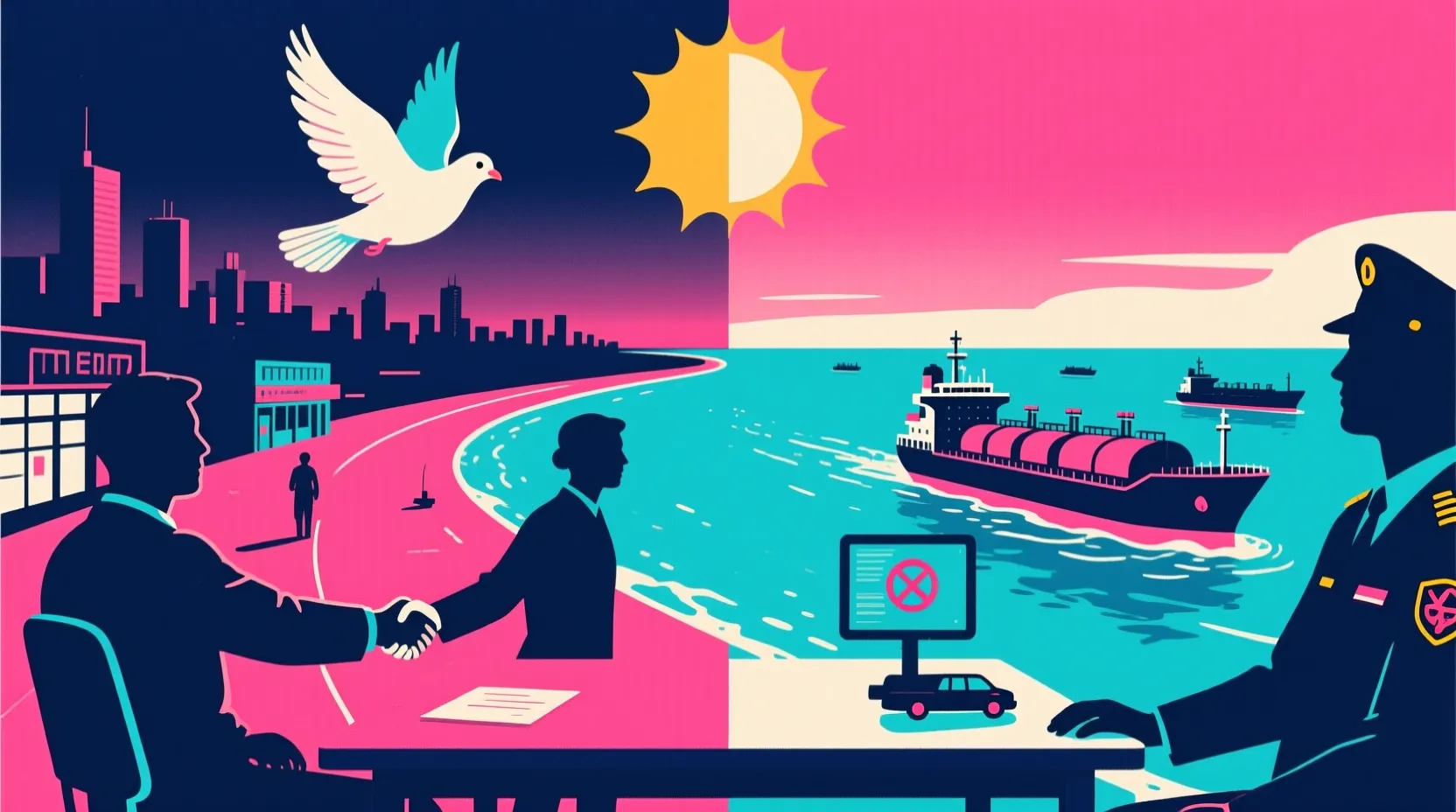
- Vice President JD Vance expressed optimism about U.S.-Iran peace talks before traveling to Pakistan, calling them a positive step forward
- President Trump has used more aggressive rhetoric, claiming Iran can't charge tolls in the Strait of Hormuz and predicting a quick reopening of the waterway
- The mixed messaging has sparked confusion among allies and critics, while some Trump supporters are frustrated with how the administration is handling domestic issues like the Epstein files
- A fragile ceasefire in the region is under strain after Israel's actions in Lebanon, which Iran says violate the truce
Across the spectrum
What people are saying
A quick look at how the same story is being framed from different angles.
On the Left
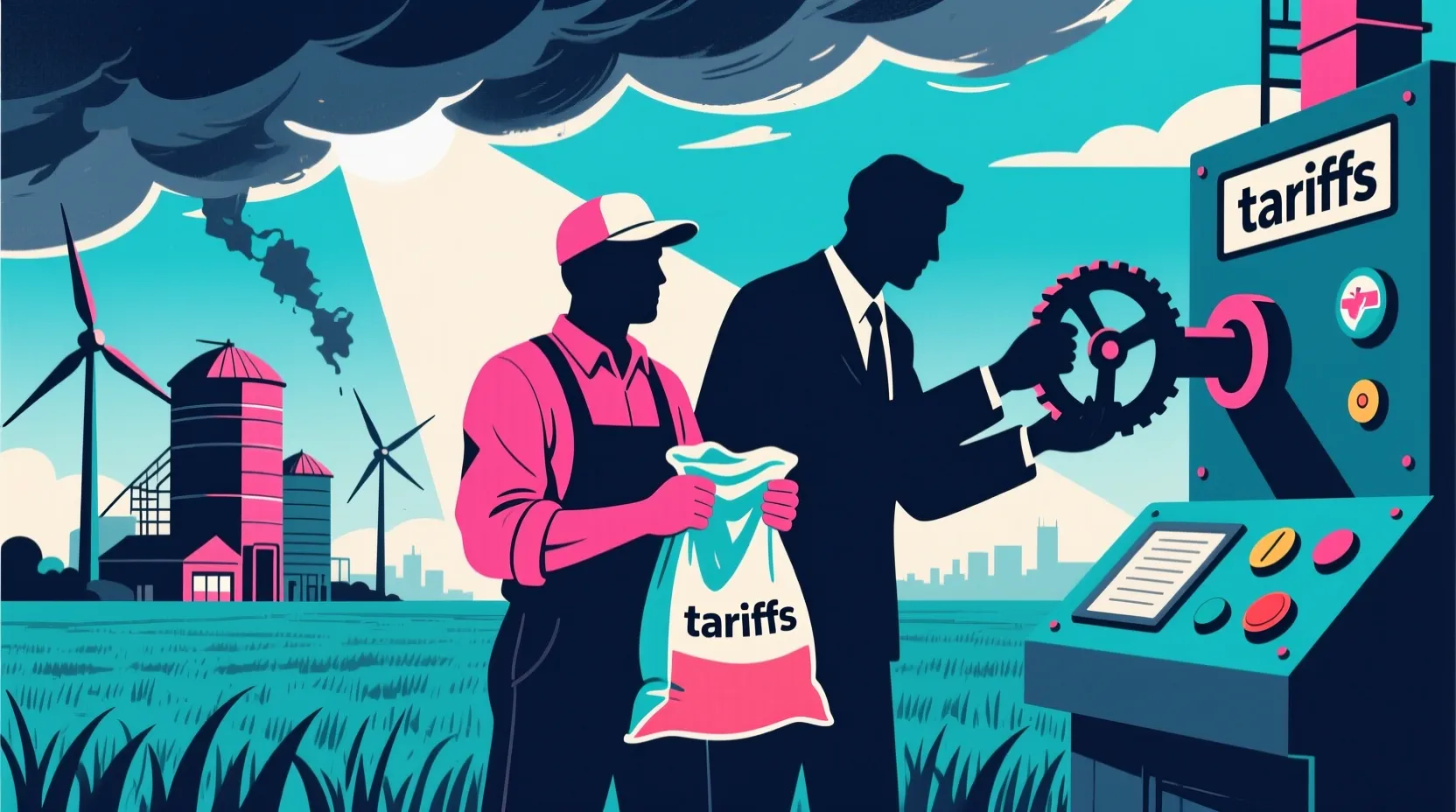
The administration's tough talk on Iran and moves toward automatic draft registration suggest a preference for militarized solutions, even as peace talks proceed. Critics argue this undermines diplomacy and risks normalizing endless conflict. The lack of accountability on issues like the Epstein files further erodes public trust, especially among those who feel left behind by both parties.
In the Center
Mixed messaging between the president and vice president is not uncommon in high-pressure negotiations - one figure can apply pressure while the other builds rapport. Still, consistency matters, especially when regional stability and public confidence are on the line. The administration's actions on the draft and transparency will be watched closely as indicators of its true intentions.
On the Right
Trump's strong stance on the Strait of Hormuz and refusal to let Iran profit from global instability reflects a clear, principled position. Vance's diplomatic outreach complements rather than contradicts that strategy. Meanwhile, preparing for national service and securing energy routes are responsible steps in a dangerous region, not signs of overreach.
Full coverage
What you should know
As U.S. envoys arrive in Pakistan for high-stakes peace talks with Iran, the tone from Washington has been anything but consistent. Vice President JD Vance told reporters he believes the negotiations will be "positive," a measured and hopeful assessment as diplomats sit across from Iranian counterparts. But just hours earlier, President Trump declared the Strait of Hormuz would reopen "shortly" and insisted Iran has no right to charge tolls on oil shipments - language more suited to a campaign rally than delicate diplomacy.
The contrast isn't just stylistic. It's raising real questions about how unified the administration's strategy actually is. Vance's diplomatic framing suggests a path toward de-escalation, while Trump's comments reinforce his long-standing belief in economic and military pressure. Analysts say the mixed signals could complicate negotiations, especially if Iranian leaders interpret Trump's words as undermining the goodwill Vance is trying to build.
The ceasefire that made these talks possible is already fragile. Iran has accused Israel of violating the truce with recent strikes in Lebanon, a claim that could unravel the temporary calm. With regional tensions still high, even small missteps in messaging from Washington could have outsized consequences. Allies in the Middle East are watching closely, trying to read whether the U.S. is truly committed to peace or using talks as cover for a harder line.
At home, some of Trump's base is starting to show signs of strain. A growing number of longtime supporters are expressing frustration - not just about foreign policy, but about domestic decisions too. Some are spending hours poring over newly released Epstein files, disappointed by how former Attorney General Pam Bondi handled the case. For them, the lack of transparency feels like a broken promise, one that's eroding trust in the administration.
Meanwhile, the Pentagon is quietly advancing plans to make Selective Service registration automatic for young men, a move that would make it harder to avoid a potential draft. The change, reported by The Intercept, has reignited concerns that the U.S. could be edging toward deeper military involvement, even as peace talks proceed. Critics see it as a sign the administration is preparing for the worst, even while talking about peace.
For ordinary Americans, the war's impact is already being felt. Gas prices remain elevated, supply chains are still jittery, and the idea of a draft - once a distant memory - is back in conversation. The administration argues these steps are about readiness, not inevitability. But for families weighing college plans or enlistment, the line between preparation and expectation is getting thinner.
What happens in Pakistan could shape the next chapter of U.S. foreign policy. But just as important is how Washington presents itself at home and abroad. Right now, the message is split - one side offering hope, the other holding onto leverage. Whether that duality helps or hurts the peace effort may depend less on what's said in the negotiating room than on how consistently the U.S. speaks with one voice.
About this author
Zwely News Staff compiles multi-source reporting into concise, viewpoint-aware coverage for readers who want context without noise.
Source Notes
Why this disillusioned Trump voter spends hours searching Epstein files
Many who support the president have expressed frustration with how Trump's former attorney general Pam Bondi handled the Epstein files.
JD Vance says he believes U.S.-Iran talks will be "positive" as he heads to Pakistan
President Trump expressed confidence on Friday as senior members of his administration prepared for in-person peace talks with Iran. Vice President JD Vance said he believed the negotiations will be "positive" before boarding his flight to...
The Trump-Vance dynamic is the key to solving the Iran problem
The recent announcement of a two-week ceasefire with Iran has been met with a striking rhetorical divergence within the American executive.President Trump has been quick to frame the pause as a moment of total capitulation. Yet thousands of...
Trump says Strait of Hormuz will reopen shortly, says Iran cannot charge toll
President Trump says he wants to see oil traffic move freely through the Persian Gulf region "with or without" cooperation from Iran as talks get underway to end the war.
Fragile Iran war ceasefire under strain as Americans feel economic impacts
JD Vance will lead peace talks in Pakistan Saturday as Iran calls Israel's assault on Lebanon a ceasefire violation
Trump Administration Wants to Make It More Difficult to Evade a Military Draft
With automatic Selective Service registration, it would be harder for Americans to dodge a potential military draft. The post Trump Administration Wants to Make It More Difficult to Evade a Military Draft appeared first on The Intercept.
Previous story
It's the economy, Viktor
Next story