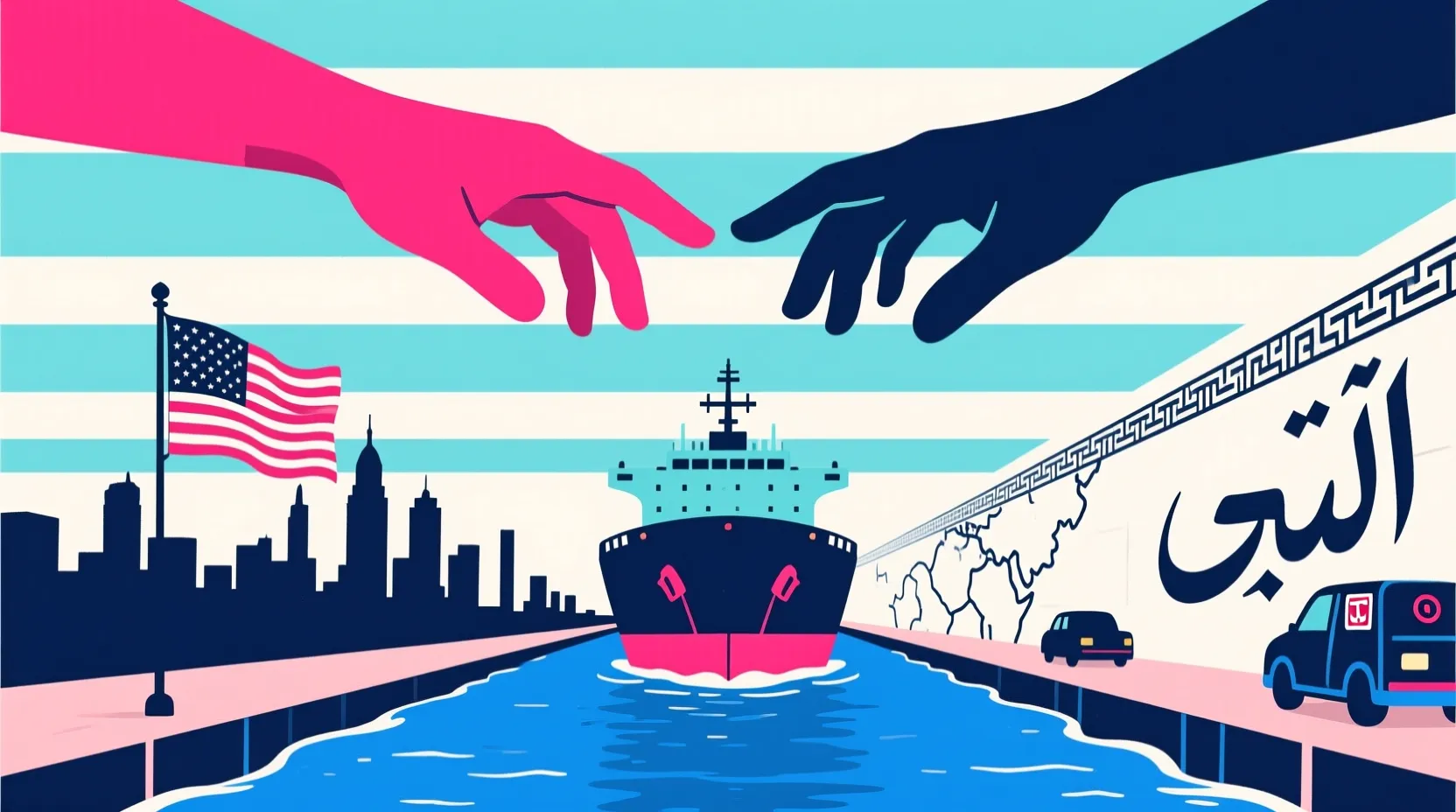
Keir Starmer says he's fed up with Trump and Putin messing with UK energy prices
With the Strait of Hormuz still tense and global oil markets shaky, the UK is feeling the squeeze at the pump
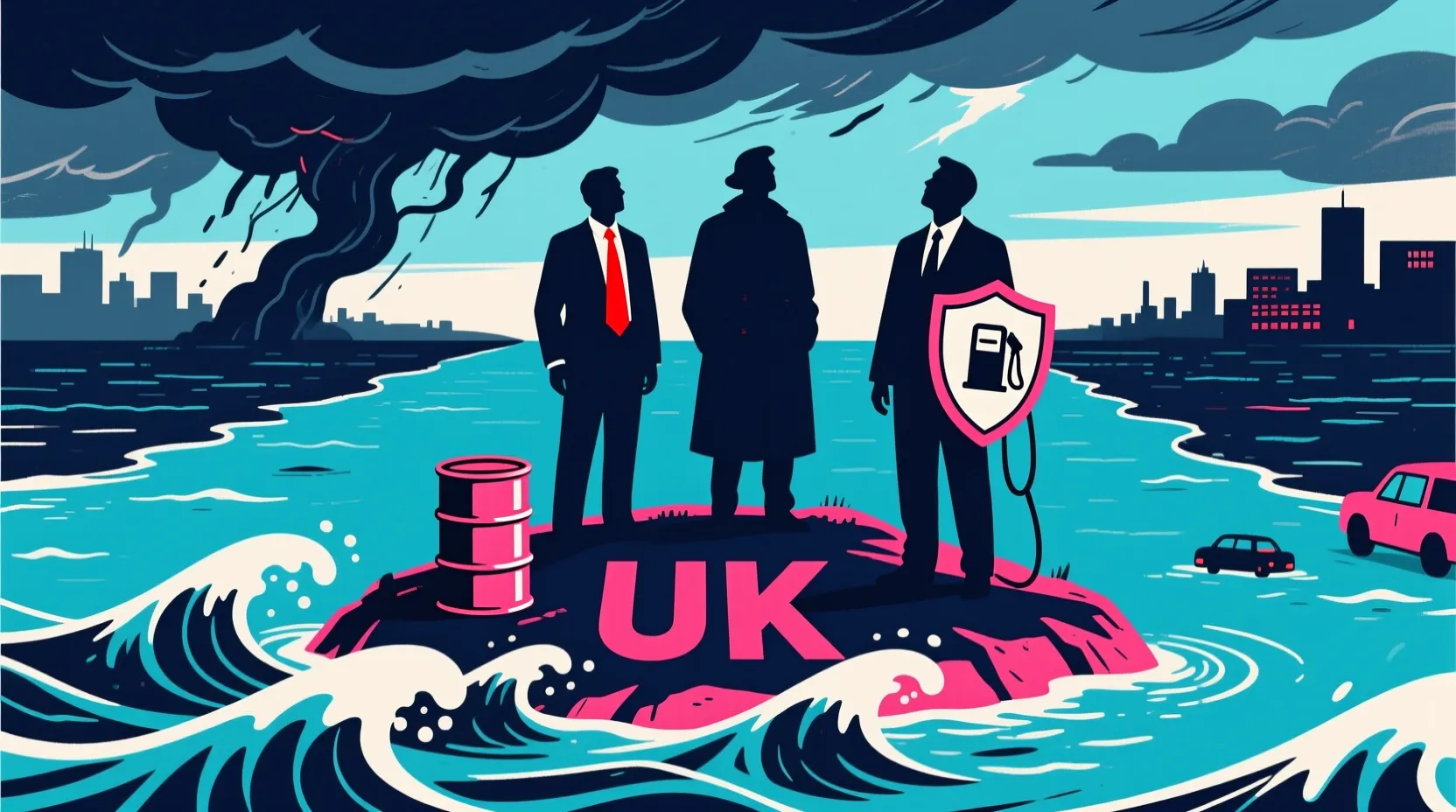
At a glance
What matters most
- Keir Starmer is blaming both Trump and Putin for rising UK energy costs linked to Middle East instability
- Iran has effectively blocked the Strait of Hormuz, a key oil route, worsening global supply concerns
- A recent US-Iran ceasefire is under pressure after Israel's strikes in Lebanon, which Tehran says break the deal
- The UK has little direct leverage but is feeling economic effects from higher oil prices
Across the spectrum
What people are saying
A quick look at how the same story is being framed from different angles.
On the Left
Starmer is right to call out Trump and Putin, but the real issue is the UK's continued dependence on fossil fuels. Instead of reacting to every crisis, the government should be accelerating the shift to renewable energy and ending support for new oil and gas projects.
In the Center
While the UK has limited influence in the region, it can still push for stronger international diplomacy and work with allies to release strategic reserves. The situation shows how interconnected global energy markets really are.
On the Right
Starmer's criticism sounds more like political posturing than leadership. The UK needs to strengthen its energy independence through nuclear power and domestic production, not blame foreign figures for market realities.
Full coverage
What you should know
The UK is caught in the middle of a global energy squeeze, and Keir Starmer isn't holding back. He recently said he's "fed up" with how actions by Donald Trump and Vladimir Putin are pushing up energy bills for British households. While the UK isn't directly involved in the latest Middle East flare-up, the ripple effects are hitting home-especially at the gas pump.
The core of the problem lies in the Strait of Hormuz, the narrow waterway between Iran and the Arabian Peninsula that carries about a fifth of the world's oil. Iran has effectively shut it down during its ongoing conflict with the U.S. and Israel, creating a major supply crunch. That's sent oil prices climbing fast, and with it, the cost of heating and transportation across Europe.
A two-week ceasefire between the U.S. and Iran was announced earlier this week, offering a brief window of hope. But it's already under strain. Iran is accusing the U.S. of breaking the agreement by allowing Israel to carry out strikes against Hezbollah in Lebanon. The U.S. denies violating the terms, but the situation remains fragile. Any further escalation could keep the strait closed for weeks or even months.
For Starmer and the UK government, the challenge is clear: they have little direct power to reopen the waterway or shape U.S. foreign policy. Yet they're left managing the fallout-higher inflation, strained household budgets, and growing public frustration. Starmer's comments reflect a broader sense of helplessness among allies who are economically tied to global oil markets but politically on the sidelines.
Trump's role is especially complicated. Though not in office, his vocal support for aggressive actions in the region and his influence over key Republican figures appear to be shaping the U.S. approach. At the same time, Putin continues to benefit from high oil prices, which shore up Russia's economy despite ongoing sanctions. Both leaders, in different ways, are seen as prolonging instability for their own gain.
Back in the UK, the debate is shifting toward how to insulate the country from such shocks in the future. Some are calling for faster investment in renewable energy and better storage systems. Others want stronger diplomatic coordination with European partners to present a united front during crises.
For now, though, the focus remains on whether the ceasefire holds and when the Strait of Hormuz might reopen. Until then, leaders like Starmer are left reacting to events they can't control-while ordinary people pay the price.
About this author
Zwely News Staff compiles multi-source reporting into concise, viewpoint-aware coverage for readers who want context without noise.
Source Notes
Keir Starmer: 'I'm fed up' with Trump and Putin affecting UK energy costs
Iran effectively closed the Strait of Hormuz during the war with U.S. and Israel, creating an oil supply crunch and sending global energy prices soaring.
Trump and the Middle East: can Starmer do anything? – podcast
Keir Starmer and the UK government are scrabbling to keep up with Trump’s fast-changing position on Iran and the Middle East. While a two-week ceasefire is in place, how long will it hold for? Peter Walker and Alexandra Topping look at what...
Latest on Middle East as Iran accuses U.S. of violating ceasefire over Israeli strikes on Lebanon
Iran says the U.S. is violating the ceasefire agreement announced earlier this week between the two countries by letting Israel continue its strikes against Hezbollah in Lebanon. Meanwhile, Iran is still holding a tight grip on the Strait o...
Previous story
Trump's team is making moves on fraud, history, and gun rights-but not everyone sees it the same way
Next story