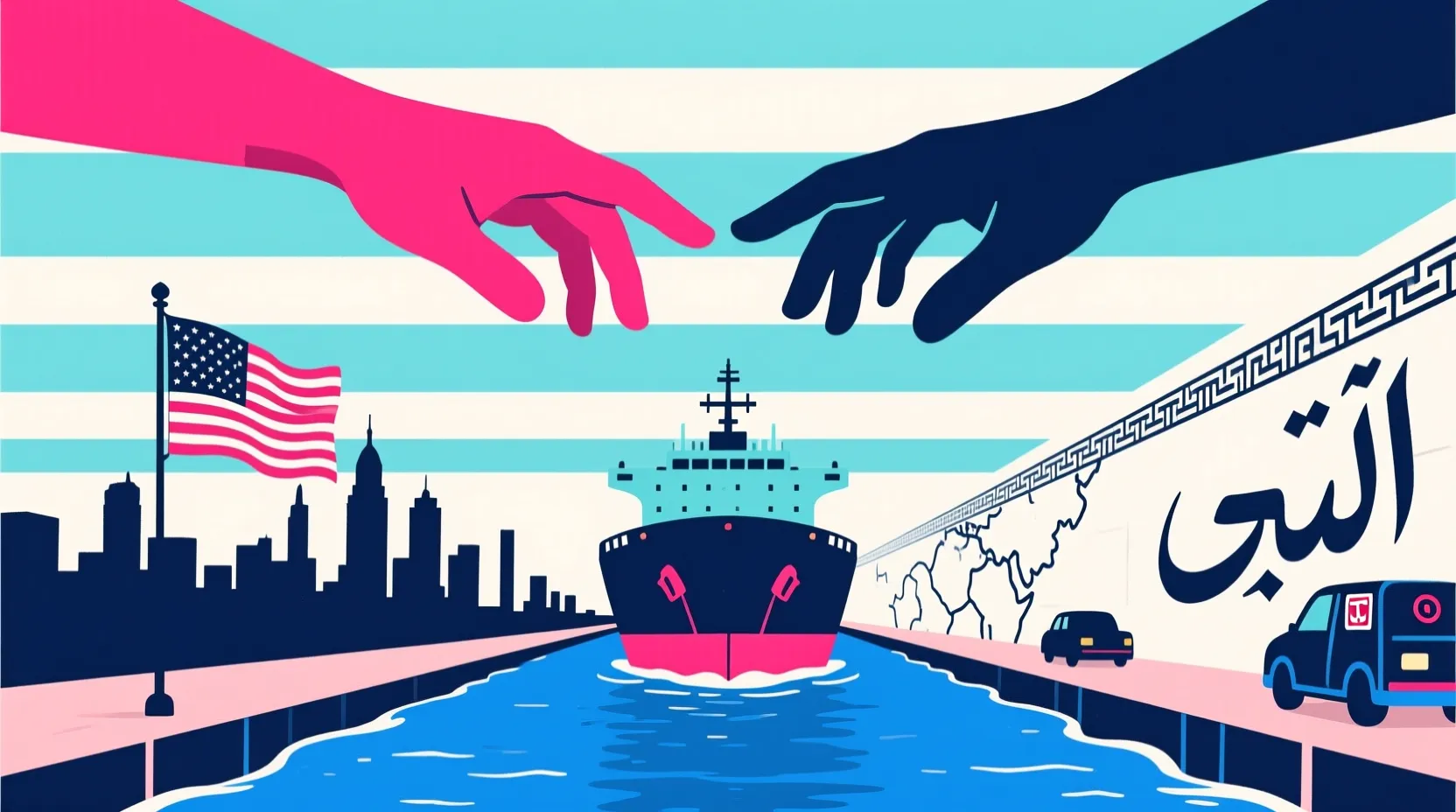
Lebanon won't sit down with Israel unless fighting stops first
A key condition just raised the stakes in fragile peace efforts backed by the US and Iran.

At a glance
What matters most
- Lebanon says it won't engage in peace talks with Israel unless a ceasefire is already in place.
- Iran is linking progress to the release of its frozen financial assets and a halt in fighting in Lebanon.
- Israel has excluded France from negotiations, signaling it wants tighter control over the diplomatic process.
- The US is hosting indirect talks in Pakistan, but trust between the sides remains extremely low.
Across the spectrum
What people are saying
A quick look at how the same story is being framed from different angles.
On the Left
Lebanon's demand for a ceasefire before talks reflects the urgent humanitarian crisis civilians are facing. Pushing negotiations without halting violence first puts political optics over people's lives. The US and Israel should prioritize stopping the bloodshed and hold Israel accountable for disproportionate strikes.
In the Center
Both sides are digging in with preconditions that make progress difficult. While Lebanon's call for a ceasefire is understandable, refusing to talk at all limits diplomatic options. At the same time, continued military action undermines the credibility of peace efforts. A breakthrough will require mutual concessions and strong third-party mediation.
On the Right
Israel has every right to defend itself and shouldn't be forced into a ceasefire that lets Hezbollah regroup. Lebanon and Iran are using negotiations as a tactic to freeze Israeli operations while demanding concessions. The exclusion of France shows Israel is taking a firm, realistic stance in a high-risk situation.
Full coverage
What you should know
Lebanon is drawing a firm line in ongoing peace efforts: no ceasefire, no talks. A senior Lebanese official told the BBC that negotiations with Israel won't happen unless active fighting has already stopped. The stance adds a new hurdle to US-brokered discussions aimed at de-escalating violence that has rattled the region for months.
The talks, taking place indirectly in Pakistan, involve the US and Iran as key intermediaries. But Tehran is also setting its own terms. According to Reuters, Iran insists that a ceasefire in Lebanon must be implemented and that its frozen overseas assets be released before any meaningful progress can be made. These demands complicate an already delicate process, with Washington trying to balance pressure and diplomacy.
Meanwhile, Israel has made moves of its own. It has reportedly blocked France from participating in the current round of discussions, a decision criticized by some European allies. The move, highlighted by HotAir, suggests Israel wants to limit outside influence and maintain tighter control over its negotiating position, especially as it continues military actions against Hezbollah targets in southern Lebanon.
Despite the diplomatic activity, the reality on the ground remains volatile. CNBC reports that Tehran has accused Israel of violating the spirit, if not the letter, of any potential ceasefire, pointing to ongoing IDF strikes. Hezbollah has responded in kind, keeping the border region on edge and raising fears that a localized conflict could spiral.
The US is trying to keep the channel open, positioning itself as a neutral facilitator. But with each side demanding concessions before even sitting down, momentum is hard to build. Trust is in short supply, and past breakdowns loom large over the current effort.
What's at stake isn't just peace between Israel and Lebanon, but broader regional stability. A breakthrough could ease pressure on multiple fronts, including Iran's posture and the flow of weapons to militant groups. But failure could deepen hostilities and pull in other actors, making diplomacy even harder down the line.
For now, the sequence of steps-ceasefire first or talks first-remains the central sticking point. Lebanon wants safety before dialogue. Israel appears to want commitments before halting operations. Bridging that gap will require more than diplomacy; it may take a shift in how each side sees the risks of waiting.
About this author
Zwely News Staff compiles multi-source reporting into concise, viewpoint-aware coverage for readers who want context without noise.
Source Notes
Lebanon says ceasefire must be in place before Israel talks
Lebanon will only take part in talks with Israel if a ceasefire is already in place, a senior official tells the BBC.
Iran Demands Lebanon Ceasefire, Unfreezing of Assets Before Peace Talks
DUBAI/BEIRUT/JERUSALEM/ISLAMABAD, April 10 (Reuters)—Iran said on Friday that blocked Iranian assets must be released and that a ceasefire must take hold in Lebanon before peace... Read More The post Iran Demands Lebanon Ceasefire, Unfreezi...
What's at stake ahead of crucial U.S-Iran peace talks as leaders meet in Pakistan
Already, Tehran has accused Israel of violating the terms of the ceasefire, as the IDF continues to attack Hezbollah in Lebanon.
Mais Non: Israel Boots France From Lebanon Talks
Mais Non: Israel Boots France From Lebanon Talks
Previous story
Gundam's new trailer has me dreaming for an Armored Core anime
Next story