Markets look calm but investors are still on edge over Iran tensions
Stocks have climbed lately, yet behind the scenes, traders are hedging for trouble in the Middle East
At a glance
What matters most
- Markets have risen in recent weeks, but investor behavior suggests lingering fear, not full confidence.
- Iran is threatening to block the Bab al-Mandeb strait if the U.S. moves against the Strait of Hormuz, raising global trade risks.
- Traders are pricing in potential disruptions, meaning markets may already be braced for the worst.
Across the spectrum
What people are saying
A quick look at how the same story is being framed from different angles.
On the Left
Markets are stabilizing because investors see through the noise of saber-rattling and recognize that real economic risks come from inequality and climate, not just short-term geopolitics. The focus should be on building resilient systems, not just betting on crisis hedges.
In the Center
Markets are reacting rationally-acknowledging serious risks without overreacting. Investors are pricing in potential disruptions while waiting for clearer signals from policymakers and military developments.
On the Right
The calm in markets shows confidence in American strength and energy independence. Investors trust that the U.S. can protect its interests abroad, and that deterrence will keep Iran in check without major economic fallout.
Full coverage
What you should know
On the surface, the stock market looks like it's bouncing back. After a rocky stretch fueled by Middle East tensions, indexes have climbed steadily over the past two weeks. But dig into the details, and it's clear many investors aren't celebrating. Instead of bold bets and surging volume, traders are buying cautiously, loading up on safe-haven assets, and watching headlines more than charts.
According to market analysts, this isn't the kind of rally that signals strong confidence. It's more like a holding pattern. Investors seem to believe the worst hasn't hit-but they're not ruling it out, either. Even as equities rise, demand for gold, Treasury bonds, and volatility hedges remains elevated, a sign that risk appetite is still muted.
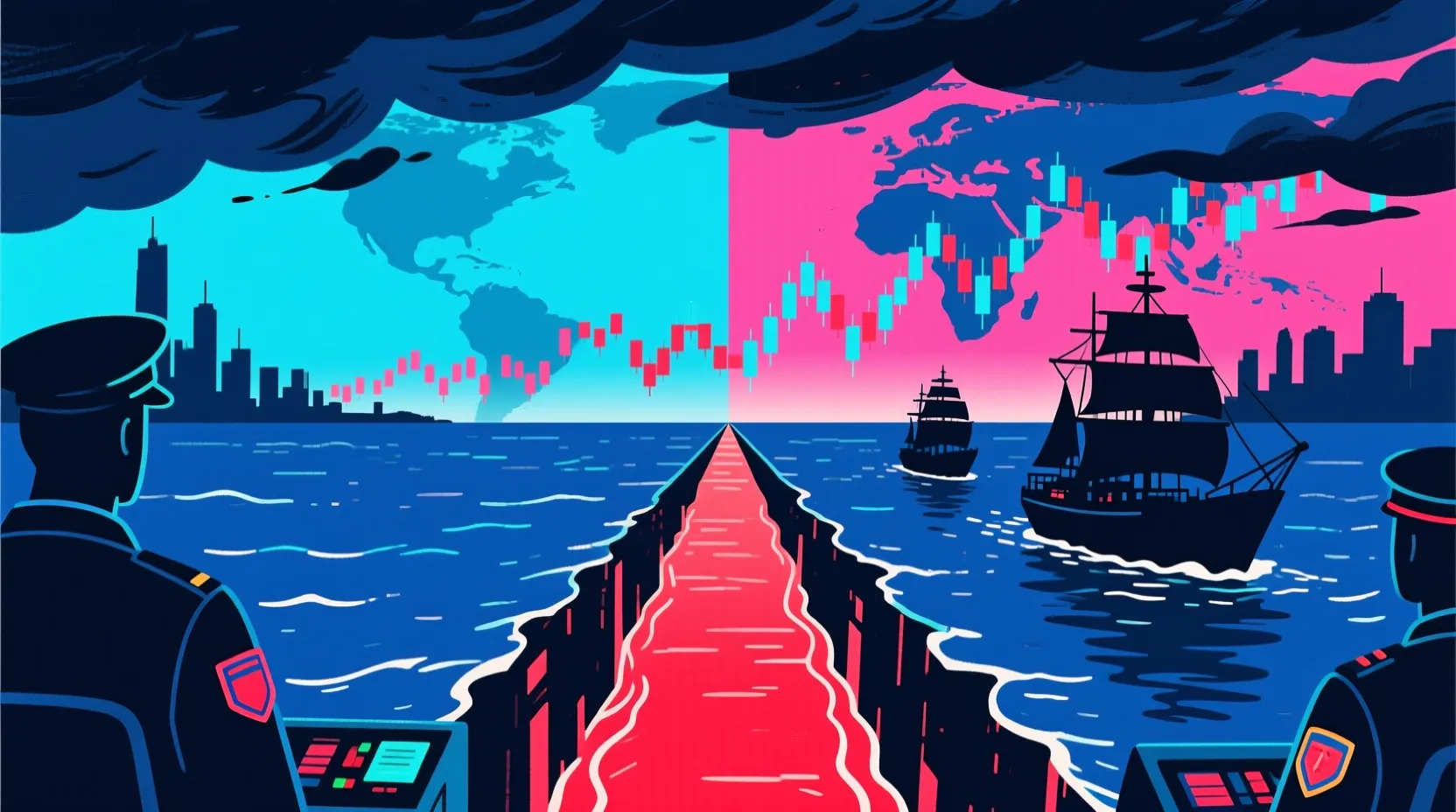
The big concern remains Iran. After threats to close the Strait of Hormuz-a critical oil shipping lane-Tehran has now signaled it could go further. A senior Middle East advisor cited by Fox News warned that Iran might direct Houthi forces in Yemen to block the Bab al-Mandeb strait, another major global chokepoint. The waterway, sometimes called the 'Gate of Tears,' connects the Red Sea to the Suez Canal and handles about 10% of global sea trade.
Blocking either route would send oil prices soaring and disrupt supply chains worldwide. But so far, markets haven't panicked. CNBC reports that investors appear to have already priced in much of the potential fallout. That means while headlines still rattle nerves, they're not triggering mass sell-offs like before. Traders aren't ignoring the threat-they're just acting like they've already accounted for it.
Still, that calm could be fragile. If Iran follows through on its threats or if the U.S. responds with military action, current market stability might not hold. For now, the assumption is that diplomacy will prevail, but the backup plans are in place. Options trading, in particular, shows a strong appetite for protection against sudden spikes in oil or drops in equities.
Meanwhile, geopolitical risk isn't the only undercurrent. Domestically, political fractures are emerging, like California Republicans refusing to back Donald Trump's preferred gubernatorial candidate. While not directly tied to markets, such divisions add to a broader sense of uncertainty heading into the election year.
So while the headlines say 'markets up,' the real story is more nuanced. Investors aren't fleeing-but they're not sleeping easy, either. The gains are real, but so is the hedging. As tensions simmer, the financial world seems to be whispering: hope for peace, but plan for disruption.
About this author
Zwely News Staff compiles multi-source reporting into concise, viewpoint-aware coverage for readers who want context without noise.
Source Notes
Stock Market Trading Shows Fear of Risk Despite Weeks of Gains
On the surface, it appears that the stock market has been on a tear for the past couple of weeks. Look under the hood, however, and you’ll see that investors are buying but without the enthusiasm that usually marks the start of a major rall...
From panic to pricing in: Are markets past 'peak fear and sell-off' despite oil price surge?
Investors appear to have already priced in much of the geopolitical risks and are growing less reactive to headlines.
‘Gate of Tears’ at risk: Iran threatens major new global chokepoint if US moves on Hormuz
Senior Middle East advisor warns Iran could use Houthi proxies to blockade the Bab al-Mandeb strait if the U.S. blocks the Strait of Hormuz.
California Republicans risk Trump’s wrath as they break ranks over governor’s race
California Republicans refused Sunday to endorse Donald Trump’s pick for governor.
Previous story
Eric Swalwell steps out of California governor's race after misconduct allegations surface
Next story