
Peter Magyar is promising big economic changes in Hungary, and markets are watching closely
After a historic election win, the new leader says overhauling state media and governance is step one
At a glance
What matters most
- Peter Magyar's Tisza Party defeated Viktor Orban's coalition in a historic shift, sparking optimism in financial markets.
- Magyar plans to restructure state media and push for faster government formation, aiming for a new cabinet by mid-May.
- Economic reforms could unlock EU funding and investment, but success depends on swift, credible action.
- Markets see potential for a post-Orban economic boost, though structural hurdles like inflation and labor shortages remain.
Across the spectrum
What people are saying
A quick look at how the same story is being framed from different angles.
On the Left
Peter Magyar's rise represents a long-overdue break from authoritarian nationalism, and his plans to reform state media and restore democratic norms are essential first steps. Real economic progress will come from reinvesting in public services, protecting workers, and aligning with EU values-not just pleasing markets.
In the Center
Magyar's victory offers a chance to reset Hungary's relationship with the EU and improve governance, but economic success will depend on practical reforms, not just promises. Balancing political change with fiscal responsibility will be key to lasting stability.
On the Right
After years of stagnation under Orban's increasingly isolated rule, Hungary finally has a leader who might unlock its economic potential. Magyar's focus on institutional credibility and market confidence could attract investment and spur growth-if he avoids overreach and stays focused on results.
Full coverage
What you should know
Hungary is entering a new political era after Peter Magyar's Tisza Party unseated Viktor Orban's long-standing coalition in last month's election. The result has stirred hope among investors and reform advocates that the country could finally pivot toward more transparent governance and market-friendly policies. Stock indexes in Budapest rose sharply following the outcome, reflecting confidence that a shift in leadership might unlock stalled European Union funds and attract fresh foreign investment.
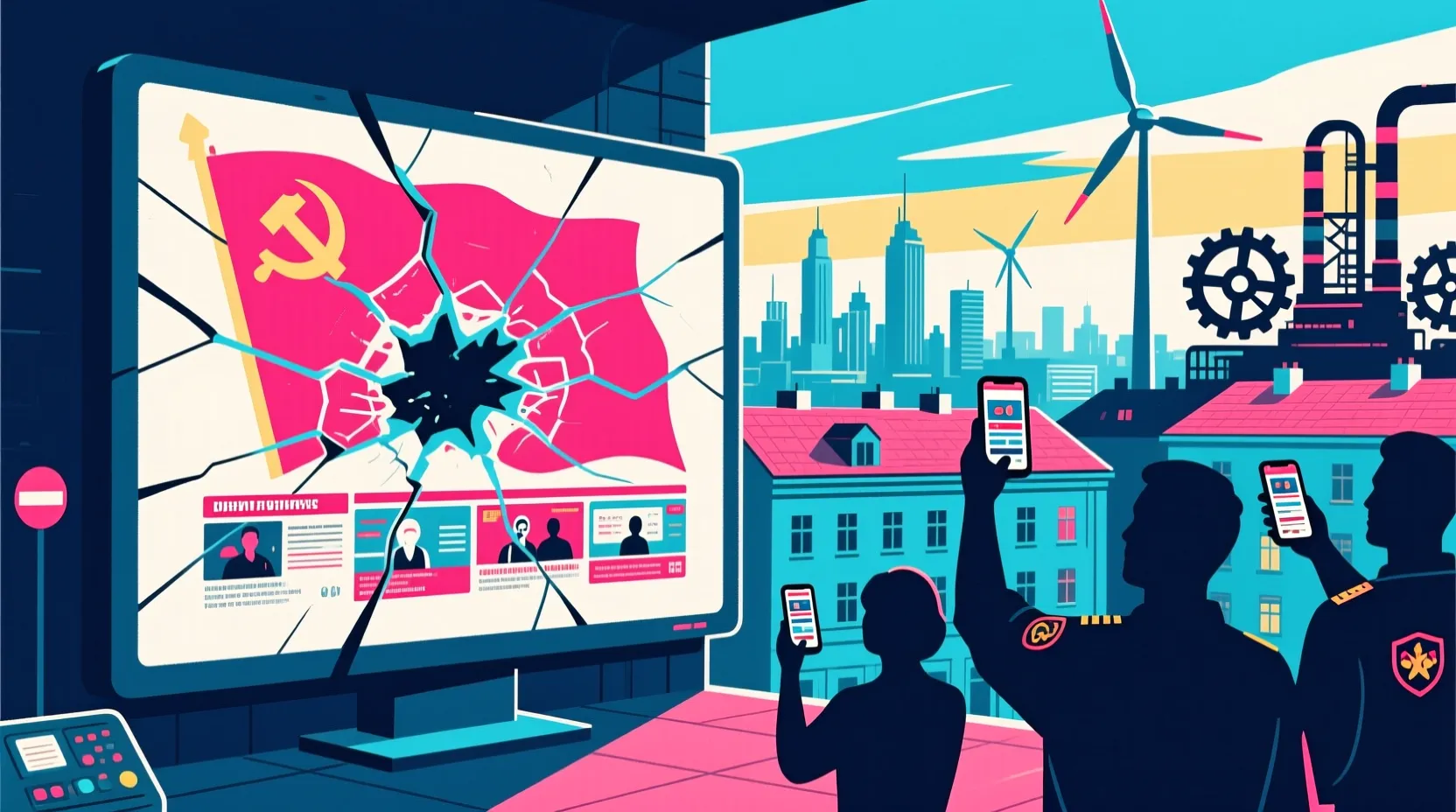
Magyar, a former prosecutor turned opposition leader, has wasted no time outlining his agenda. In recent statements, he called on Hungary's president to step down and pledged to dismantle what he calls the government's politicized media apparatus. State television and other public outlets have long been seen as tools of Orban's Fidesz party, and Magyar argues that restoring editorial independence is essential to rebuilding trust-both domestically and abroad.
His team aims to form a new government by mid-May, a timeline that suggests urgency but also faces logistical and political hurdles. Coalition negotiations are ongoing, and while the Tisza Party led the charge, it will need support from smaller parties to secure a stable majority. Still, the speed of the transition could signal credibility to Brussels, where EU officials have withheld billions in funding over rule-of-law concerns during Orban's tenure.
Economically, Hungary stands at a crossroads. Years of state-directed spending, heavy borrowing, and strained international relations have left public debt elevated and growth uneven. But the country still has strong manufacturing roots, a skilled workforce, and strategic access to EU markets. Magyar's team has hinted at reforms to streamline regulation, improve the business climate, and reinvest in innovation and education-moves that could position Hungary as a more dynamic player in Central Europe.
International investors are watching closely. The forint has strengthened since the election, and credit rating agencies have noted the potential for improvement if reforms take hold. Still, challenges like inflation, energy costs, and labor shortages won't vanish overnight. Past attempts at economic overhauls in the region show that momentum often fades without sustained follow-through.
What sets this moment apart is the depth of public demand for change. Younger voters, urban professionals, and civil society groups helped propel Magyar's rise, and they're expecting more than symbolism. They want functional institutions, fair competition, and a government that answers to citizens, not allies. If Magyar delivers, Hungary might not just recover economically-it could redefine its role in Europe.
For now, the window to act is open. The next few weeks will test whether political victory can translate into economic transformation. The stakes aren't just national. Across the region, other countries are watching to see if a post-populist model can take root-and succeed.
About this author
Zwely News Staff compiles multi-source reporting into concise, viewpoint-aware coverage for readers who want context without noise.
Source Notes
How Peter Magyar’s Hungary can become an economic powerhouse
Hungarian financial markets have welcomed Peter Magyar’s Tisza Party victory over Viktor Orban. This historic moment could mark the beginning of a post-Orban economic boom. But only if the new leadership capitalizes on it. Hungary’s road ma...
Hungary’s Magyar urges president to quit, vows to overhaul state media
Incoming Prime Minister Peter Magyar says his government could be formed by mid-May.
Previous story
David Seaman remembers Alex Manninger after former Arsenal goalkeeper dies in train collision
Next story