Scott Kirby is looking to buy more airlines while United raises prices on travelers
As fuel costs spike and fares climb, United's CEO is pushing expansion plans even as competitors push back.
At a glance
What matters most
- United CEO Scott Kirby is pursuing mergers to build what he calls the best airline in history, sparking industry debate.
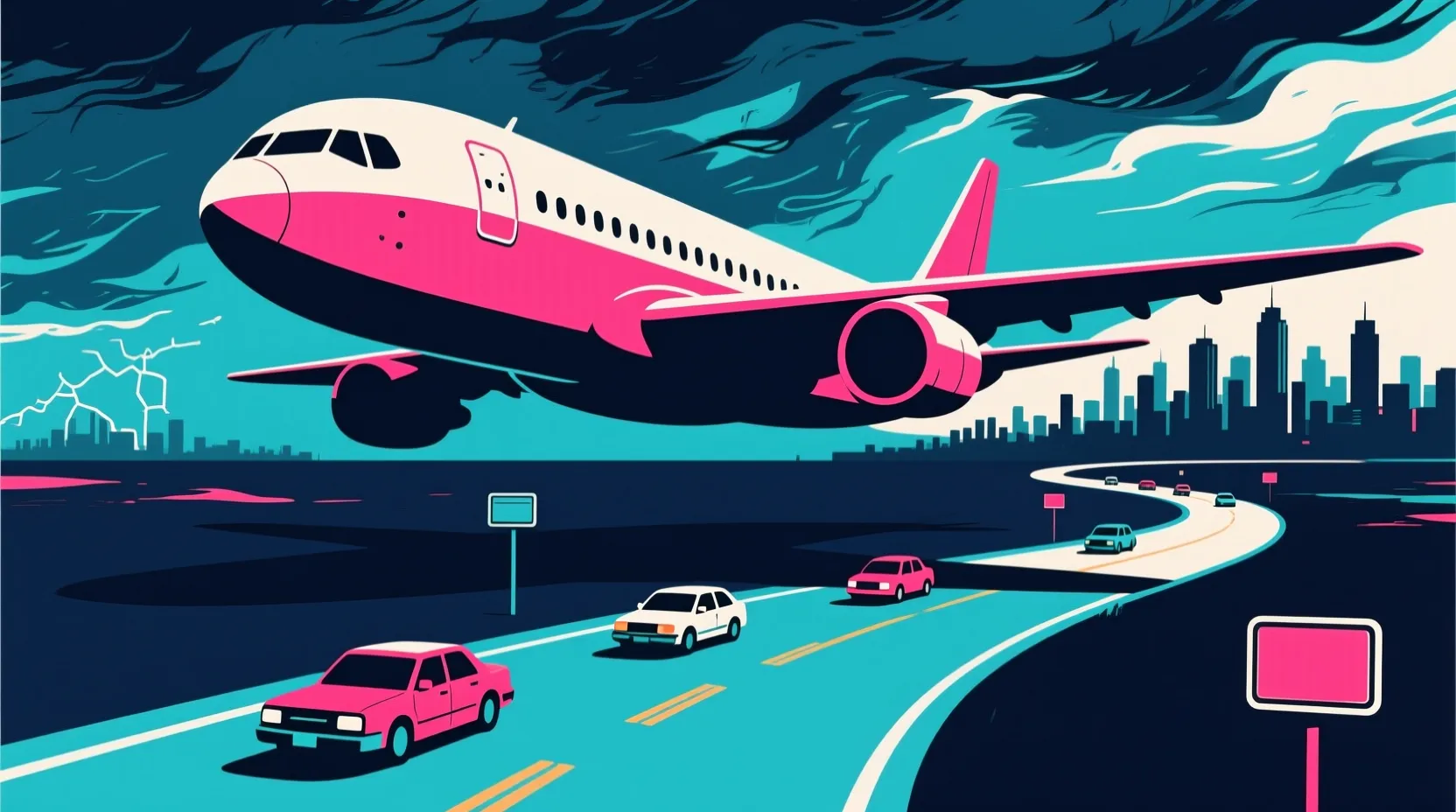
- Ticket prices could rise 15 to 20% due to a sharp increase in jet fuel costs, which have been driven higher by tensions in the Middle East.
- The proposed expansion and price hikes are drawing scrutiny from regulators and competitors concerned about reduced competition.
- Despite higher fares, demand remains steady as travelers continue booking flights, especially those loyal to United's network.
Across the spectrum
What people are saying
A quick look at how the same story is being framed from different angles.
On the Left
Kirby's push to buy up competitors risks creating a travel monopoly that could lock out smaller airlines and hurt working families. With fares already rising due to geopolitical conflicts, giving United even more control could mean fewer choices and higher prices for everyday travelers. Expansion should be about improving access, not concentrating power.
In the Center
Scott Kirby's growth strategy makes business sense, especially if it leads to better service and more reliable flights. But it needs oversight. The government should allow mergers only if they clearly benefit consumers, not just shareholders. Balancing competition with industry stability is key.
On the Right
United is responding to market forces like rising fuel costs and consumer demand. Scott Kirby is leading boldly, not waiting for permission. More efficient airlines should be free to grow, especially when customers keep booking. Government interference could stifle innovation and investment.
Full coverage
What you should know
Scott Kirby isn't just trying to run a major airline-he's trying to reshape the entire industry. As CEO of United Airlines, he's openly discussing the possibility of acquiring struggling carriers to expand United's reach and improve service. His vision? To build what he calls "the unequivocal best airline in history." But that ambition is running into real-world headwinds: rising fuel prices, regulatory skepticism, and resistance from competitors who see consolidation as a threat.
Jettisoning the usual corporate caution, Kirby has signaled United is ready to pounce on airlines facing financial strain. While he hasn't named specific targets, analysts say regional carriers or transatlantic operators could be in play. The goal, according to Kirby, is to offer more seamless connections, better loyalty rewards, and a more reliable experience. But critics worry that fewer airlines mean less competition, which could hurt consumers in the long run-especially now, when prices are already climbing.
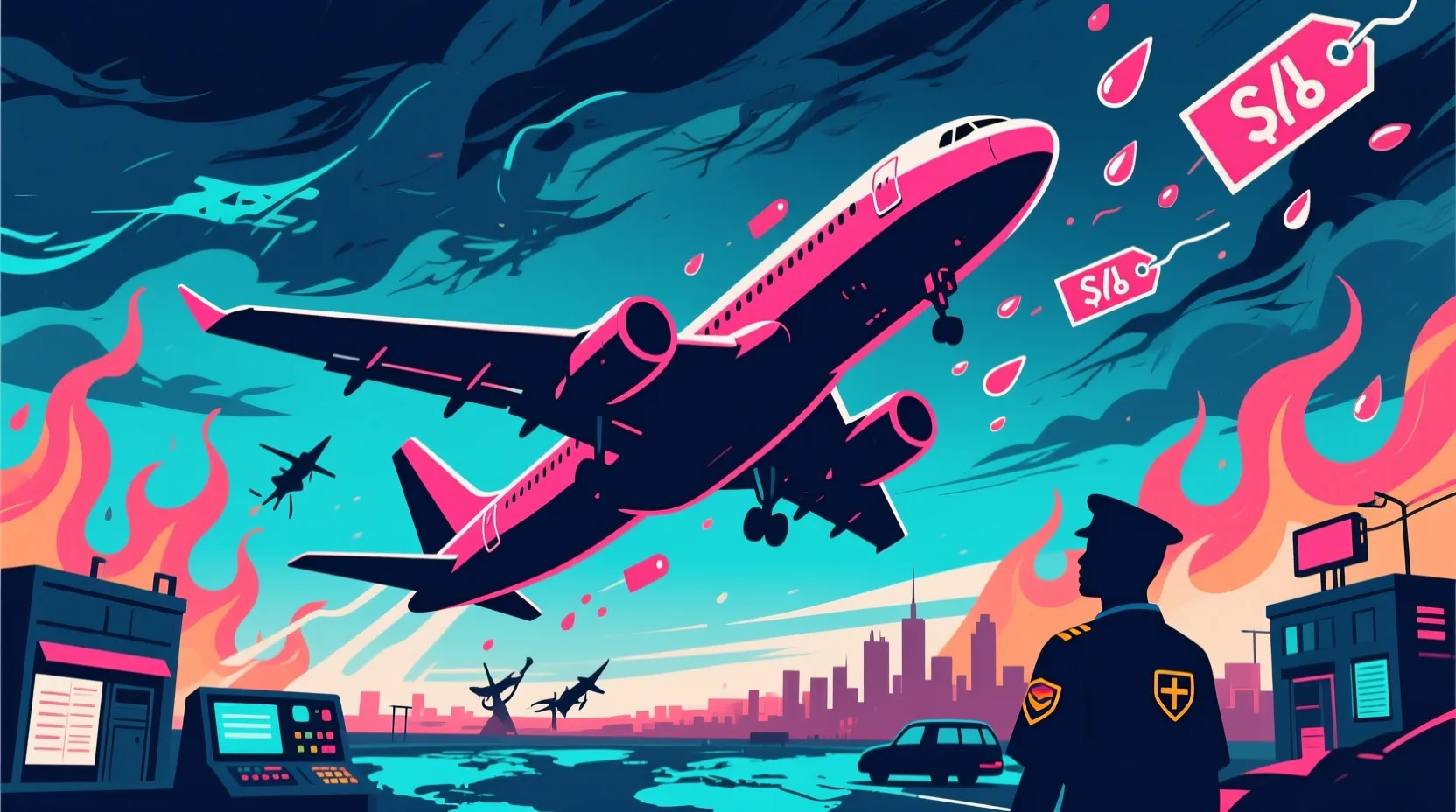
And climb they are. United is preparing to raise ticket prices by 15 to 20%, a move driven by a surge in jet fuel costs. Those costs have jumped due to ongoing tensions in the Middle East, particularly around Iran, which have disrupted energy markets. While United is among the first to announce such a significant increase, industry analysts expect other major carriers to follow suit in the coming weeks.
Still, demand for air travel remains strong. Even as fares go up, United is seeing steady bookings, especially from frequent flyers and corporate clients who rely on its extensive route network. That resilience gives Kirby leverage as he pushes forward with both pricing and expansion strategies. But it also raises questions about fairness, particularly for budget-conscious travelers who have fewer alternatives.
Regulators are watching closely. The Department of Justice and the Federal Aviation Administration have historically stepped in when airline mergers threaten market competition. With United already one of the largest carriers, any new acquisition could trigger a lengthy review. Some lawmakers have already voiced concern, warning that too much consolidation could lead to higher prices and worse service-ironically, the opposite of what Kirby promises.
Behind the scenes, rival airlines are pushing back, too. Executives from other major carriers have privately expressed frustration, arguing that United's aggressive stance could destabilize an industry still recovering from pandemic-era losses. There's also tension over international routes, where United's expansion could encroach on established turf, especially in Europe and Latin America.
For now, Kirby seems undeterred. He believes United can grow without sacrificing service, and he's betting that customers will reward reliability with loyalty. But as fuel prices stay high and scrutiny mounts, the next move-whether it's a new merger offer or another fare hike-could define not just United's future, but the shape of air travel for years to come.
About this author
Zwely News Staff compiles multi-source reporting into concise, viewpoint-aware coverage for readers who want context without noise.
Source Notes
United’s CEO Is Here to Buy Your Struggling Airline
Scott Kirby wants to run ‘the unequivocal best airline in history.’ Will merger talk, spiking fuel prices and turf wars get in the way?
United Airlines considering raising fares amid jet fuel price surge
United Airlines CEO Scott Kirby said plane ticket prices may increase by 15 to 20%.
United Airlines raising ticket prices up to 20% as fuel costs surge amid Iran war
United Airlines says fares are already climbing as jet fuel prices surge, with brand-loyal travelers continuing to book despite higher costs.
Previous story
A former North Carolina officer was arrested this week while allegedly on his way to carry out a mass shooting at the New Orleans Jazz Fest
Next story