Someone shot up an Indianapolis councilman's home after he backed a data center
Thirteen shots were fired at the front door, and a note saying 'No Data Centers' was left behind
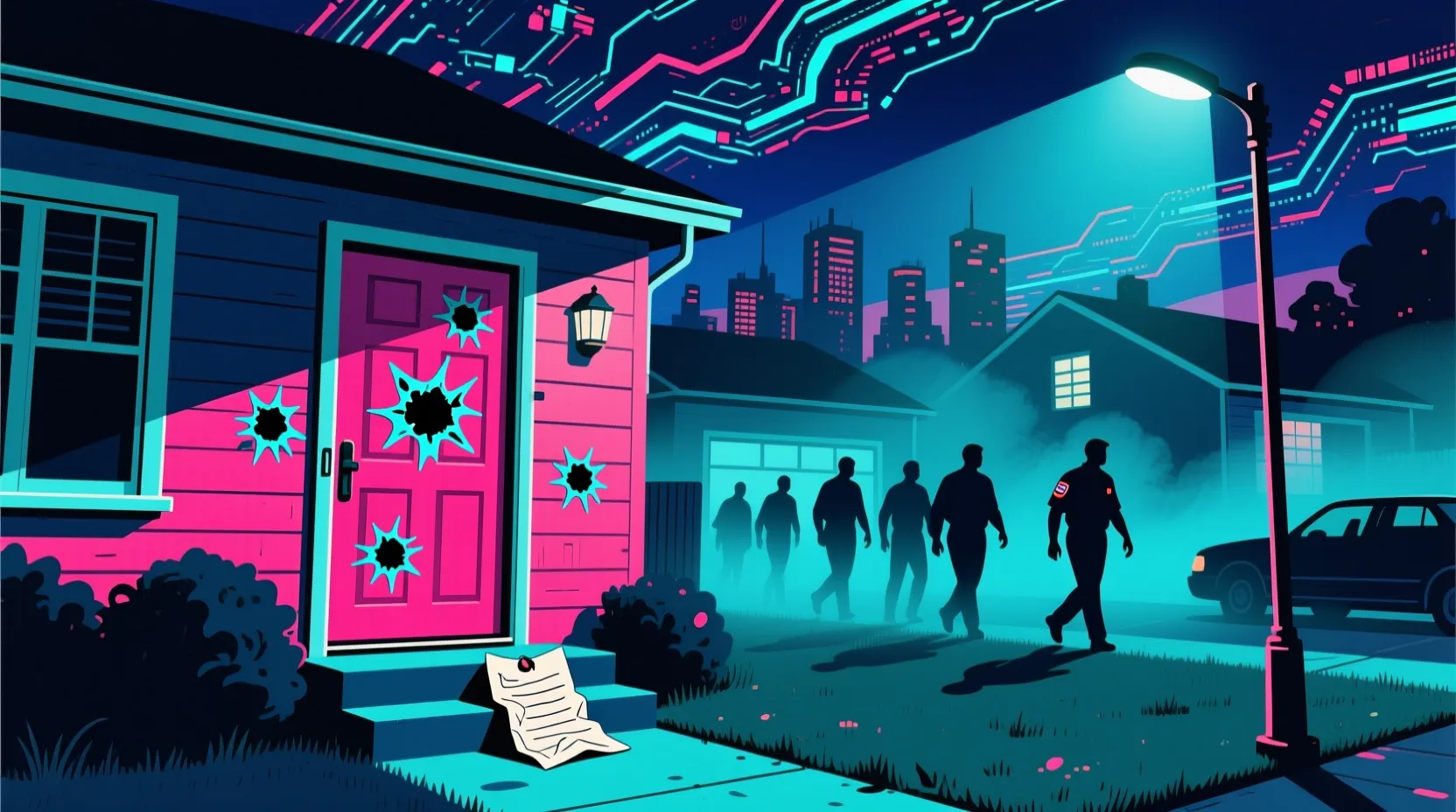
Indianapolis Councilman Zachary Adamson says someone fired 13 shots at his front door over the weekend, and left a note that read 'No Data Centers.' The incident, which police are investigating as a possible act of political intimidation, follows Adamson's recent vote to approve a new data center in the city. No one was injured, but bullet fragments were found near the entrance of his home, and investigators have launched a criminal probe.
Adamson, who represents the city's northeast district, confirmed the shooting in a statement shared Monday morning. He said the note was discovered on his doorstep after neighbors reported hearing gunfire late Sunday night. 'That reality is deeply unsettling,' Adamson said, referring to the idea that public service could lead to personal danger. Local law enforcement has not yet identified any suspects but is reviewing surveillance footage from nearby homes and businesses.
The proposed data center, part of a broader regional push to attract tech investment, has drawn mixed reactions. Supporters say it will bring jobs and infrastructure upgrades, while critics worry about increased energy use, water demands, and the long-term environmental impact. The project is still in early stages, with final approvals pending from multiple city departments.
Though the Indianapolis incident is under investigation, it echoes broader national tensions around data infrastructure. In other parts of the country, similar projects have sparked protests, legal challenges, and community organizing, especially on tribal lands where concerns about sovereignty and environmental justice run deep. A recent Mother Jones report highlighted resistance to a proposed AI data center on Muscogee (Creek) Nation land, where citizens raised alarms about corporate control and resource extraction.
Kenzie Roberts and Jordan Harmon, organizers with the Muscogee (Creek) Nation, told the outlet that such projects often arrive with promises of economic development but can deepen existing inequalities. 'It didn't seem like something being done with us,' Roberts said of the AI center proposal. 'It felt like something being done to us.' While that project is separate from Indianapolis's, the underlying concerns about transparency and consent are resonating with officials and activists alike.
Adamson's case has drawn attention from both local leaders and national advocacy groups. The International Municipal Lawyers Association issued a statement condemning the violence, calling it 'an attack not just on one official, but on democratic process itself.' Meanwhile, city council members from across the political spectrum have expressed solidarity with Adamson, urging calm and due process.
As data centers become more common across the U.S., debates over where they're built-and who gets to decide-are likely to intensify. The Indianapolis shooting, whether directly tied to the vote or not, underscores how emotionally and politically charged these decisions can become. For now, Adamson says he won't be deterred. 'I won't let fear dictate policy,' he said. 'But I also won't ignore what this moment is telling us about our community.'
How The Story Is Framed
Left-leaning view
This incident reflects deeper patterns of corporate encroachment and environmental injustice, especially when tech projects move forward without meaningful community input. The threat of violence, while condemnable, points to legitimate frustrations about power and consent-issues that have long affected marginalized communities, including Indigenous nations facing similar data center proposals.
Centered view
While the shooting is a serious criminal act and must be treated as such, it also highlights growing public anxiety around large-scale tech developments. Data centers bring economic benefits but also real concerns about resources and local control. The challenge for cities is balancing progress with transparency and public safety.
Right-leaning view
Threatening a public official over a vote is unacceptable and undermines democracy. The violent response to a legal, policy decision shows how extremism can take root when political discourse becomes overheated. Law enforcement should pursue the perpetrators swiftly to protect civic order and deter future intimidation.
Source Notes
Indianapolis Councilman’s Home Allegedly Shot Up After Voting For New Data Center
'That reality is deeply unsettling'
Indianapolis councilman says shots fired at home and 'No Data Centers' note left at door
An Indiana politician says someone fired 13 shots at his front door and left behind a note reading "No Data Centers" on his doorstep.
In Indian Country, Data Centers Come With a Familiar Threat of Colonialism. These Organizers Are Fighting Back.
Last August, citizens of the Muscogee (Creek) Nation began hearing whispers of an AI data center coming to their reservation. Kenzie Roberts and Jordan Harmon, both Muscogee citizens, were immediately worried. It “didn’t seem like something...
Previous story
Trump makes jokes at the Easter Egg Roll while stoking fears about Iran
Next story