The media isn't just reporting on foreign policy-it's shaping it, and not always responsibly
From empire-scale blind spots to algorithm-driven disinformation, the press is struggling to keep up
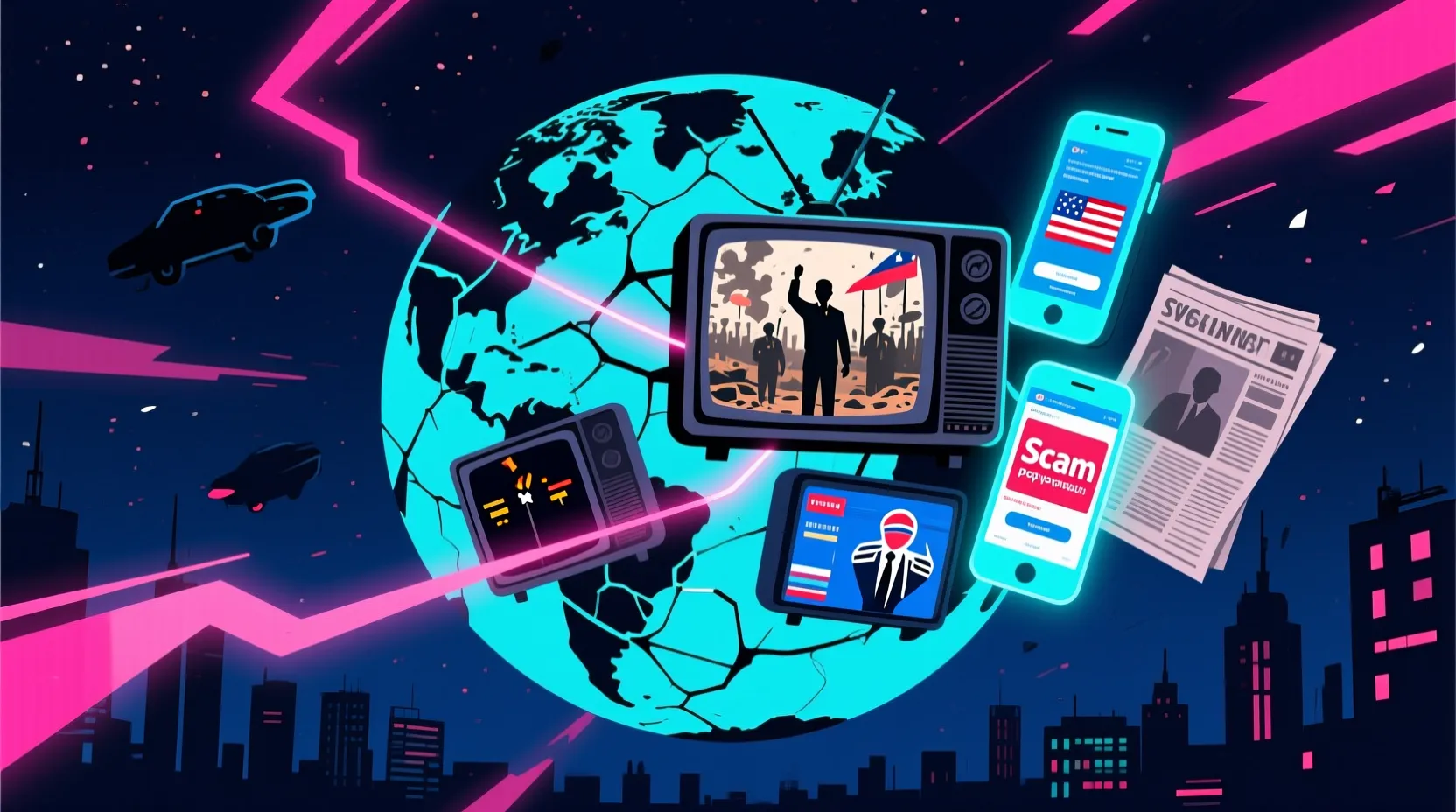
At a glance
What matters most
- Major media outlets often act as passive amplifiers of official narratives rather than independent watchdogs on foreign policy.
- The decline of international reporting has left the public with shallow, reactive coverage of global events.
- Social media platforms like Meta are enabling scam and propaganda content that undermines trust in all news, including foreign affairs reporting.
- Without deeper accountability and investment in global journalism, public oversight of U.S. foreign actions remains weakened.
Across the spectrum
What people are saying
A quick look at how the same story is being framed from different angles.
On the Left
The corporate media often serves elite interests by echoing government justifications for intervention and military spending. Without more public funding for independent journalism and stricter regulation of tech platforms, the public will keep getting a sanitized version of U.S. foreign policy that avoids hard truths about power and accountability.
In the Center
News organizations face real financial and logistical challenges in covering foreign policy deeply, and while some reliance on official sources is unavoidable, there's room for improvement through better sourcing, more context, and stronger investment in global reporting without veering into advocacy or suspicion.
On the Right
The mainstream media's failure isn't just about underreporting-it's about ideological bias that undermines national strength. By focusing on America's flaws abroad while ignoring threats from rivals, the press erodes public support for necessary global engagement and enables strategic retreat.
Full coverage
What you should know
It's not just what the media reports-it's what it misses. A new wave of criticism, including from outlets like Reason, argues that American journalism has become structurally incapable of holding U.S. foreign policy to account. The problem isn't just bias, but a system stretched thin by budget cuts, algorithmic incentives, and a shrinking number of reporters on the ground abroad. With fewer correspondents in conflict zones or diplomatic hubs, newsrooms rely more on official sources, press releases, and wire copy-making it harder to challenge the government's version of events.
This gap matters because the U.S. remains deeply involved in global affairs, from military alliances to covert operations and economic pressure campaigns. When the press doesn't ask tough questions early, the public is left reacting to crises instead of shaping policy. For years, foreign bureaus have been shuttered, and foreign desks downsized. The result is a feedback loop: less coverage leads to less public interest, which justifies even less investment. But when something big happens-say, a drone strike, a diplomatic rupture, or a sudden troop deployment-there's often no one in place to explain the context or consequences.
At the same time, digital platforms are flooding the information space with noise. A recent lawsuit against Meta alleges the company allowed scam ads to run unchecked across Facebook and Instagram, but the issue goes beyond fraud. Misinformation and emotionally charged content spread faster than fact-based reporting, especially on global issues where audiences lack firsthand knowledge. When false narratives about foreign conflicts go viral-whether about elections, wars, or humanitarian efforts-they can influence real-world policy decisions, sometimes before facts emerge.
Some critics go further, suggesting the media doesn't just fail foreign policy-it actively enables a kind of informal empire. By normalizing military presence abroad, downplaying civilian casualties, or framing interventions as inevitable, news coverage can make U.S. global dominance feel natural rather than political. This isn't always intentional; it often comes from sourcing patterns, language choices, or the simple habit of treating American actions as the default center of the story.
Still, not all coverage is shallow. Investigative outlets and independent journalists continue to break important stories about arms deals, surveillance programs, and diplomatic backchannels. But their reach is limited compared to the mainstream platforms where most people get their news. And even when tough reporting surfaces, it often arrives too late to shape decisions-only to confirm what was already done behind closed doors.
The stakes are high. A democracy needs informed citizens to debate and guide foreign policy, but that's impossible without reliable, wide-ranging journalism. When the press is underfunded, distracted, or captured by official narratives, the public loses its ability to question, challenge, or redirect national priorities. And when platforms profit from outrage and confusion, the problem only deepens.
Fixing this won't come from one newsroom or one reform. It requires reinvestment in international reporting, stronger editorial independence, and platform accountability. The media isn't just a mirror of foreign policy-it's part of the machinery. If it keeps running on fumes, the whole system becomes less transparent, less accountable, and less democratic.
About this author
Zwely News Staff compiles multi-source reporting into concise, viewpoint-aware coverage for readers who want context without noise.
Source Notes
How the Media Failed American Foreign Policy
America is a global empire that needs information about itself in order to function.
Meta failed to protect social media users from scam ads, lawsuit alleges
The Consumer Federation of America accused Meta of allowing scam advertisements to "proliferate on its platforms."
Previous story
Virginia voters approve new redistricting rules in win for Democrats
Next story