The push for rules around AI is getting louder, and some say it's time for a bill of rights
As artificial intelligence becomes more powerful, comparisons to the founding of the US are making the rounds
At a glance
What matters most
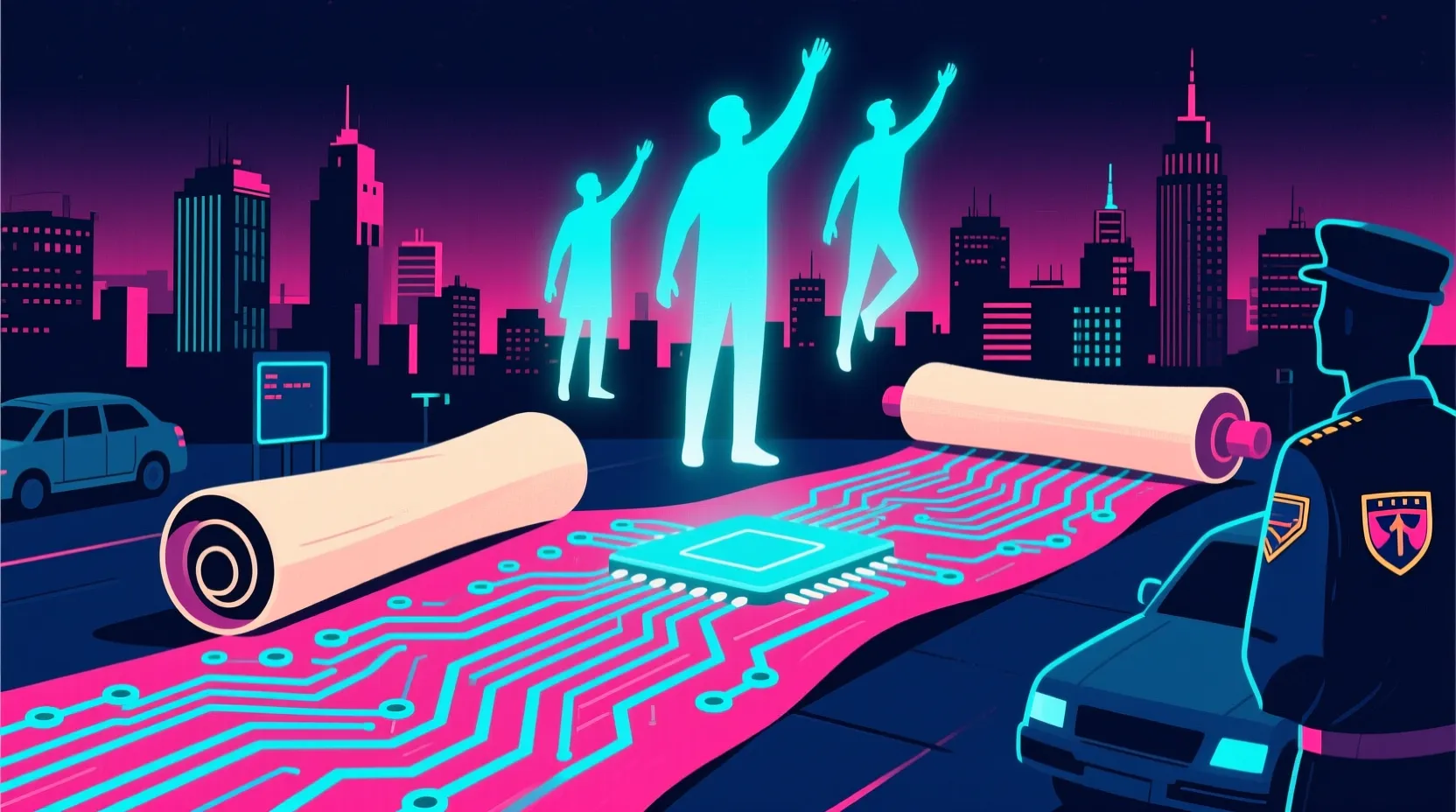
- As AI systems grow more influential, experts and advocates are pushing for a framework of rights and protections similar to the US Bill of Rights
- The idea draws a parallel to 1787, when founding figures insisted on explicit civil liberties before ratifying the Constitution
- Current concerns include AI bias, surveillance, job displacement, and lack of transparency in decision-making
- While some call for bold new rules, others warn against overregulation that could stifle innovation
Across the spectrum
What people are saying
A quick look at how the same story is being framed from different angles.
On the Left
Strong federal rules are needed to protect people from AI-driven discrimination and surveillance. Without a clear bill of rights, powerful tech companies will keep deploying risky systems that harm marginalized communities and deepen inequality.
In the Center
AI regulation should balance innovation with accountability. A framework of rights could build public trust and prevent abuse, but it needs to be practical, adaptable, and based on real-world risks, not fear.
On the Right
The push for an AI Bill of Rights risks overreach and government control. The market and existing laws can handle most concerns, and heavy-handed regulation could stifle the kind of innovation that benefits everyone.
Full coverage
What you should know
Back in 1787, after the Constitution was drafted, several states refused to ratify it unless explicit protections for individual freedoms were added. That push led to the Bill of Rights - the first ten amendments that guarantee liberties like free speech, due process, and protection from unreasonable searches. Now, more than two centuries later, a similar conversation is unfolding - not about government power, but about artificial intelligence.
As AI systems shape everything from hiring and lending to healthcare and law enforcement, critics say people need clear rights to understand and challenge automated decisions. The comparison isn't perfect, but the core idea is gaining traction: just as the founders demanded safeguards in a new political era, society may need them in this technological one.
Proponents point to real-world harms already emerging. Algorithms have been found to reinforce racial bias in mortgage approvals. Facial recognition tools misidentify people of color at higher rates. Workers are being monitored by AI that tracks keystrokes and mouse movements. In schools, some students are flagged by plagiarism detectors that can't distinguish between cheating and legitimate use of AI writing tools.
What a potential AI Bill of Rights might include is still up for debate. Ideas range from the right to know when you're interacting with an AI, to the right to appeal an algorithmic decision, to limits on how personal data is used to train models. The White House released a non-binding AI Bill of Rights blueprint in 2022, but it hasn't led to sweeping federal legislation.
Some tech leaders have voiced support for oversight, though often with caution. They warn that rules need to be smart and flexible, not one-size-fits-all mandates that could slow progress or push innovation overseas. Others, especially in civil rights and privacy circles, say waiting too long could lock in systems that are unfair by design.
Internationally, the EU has taken a lead with its AI Act, which classifies systems by risk and bans certain uses outright, like real-time facial recognition in public spaces. The US, meanwhile, is still piecing together rules through executive actions and agency guidance, leaving many companies to set their own standards.
The moment feels pivotal. Technology moves fast, but trust moves slowly. If people feel they're being judged, hired, or denied services by systems they can't see or understand, backlash could grow. The founders didn't get everything right, but they understood that power - whether political or technological - works best when it's accountable.
About this author
Zwely News Staff compiles multi-source reporting into concise, viewpoint-aware coverage for readers who want context without noise.
Source Notes
The founders demanded the Bill of Rights. AI also needs one.
In September 1787, the Constitutional Convention in Philadelphia came to a close. Delegates had spent months debating and negotiating the structure for a new American government. When the final document was presented for signatures, most of...
Airlines demand UK relax noise rules and cut flight tax as fuel shortage looms
Ministers also asked to alter compensation rights and suspend emissions trading scheme amid Middle East warAirlines are lobbying the UK government to relax environmental and noise rules, modify passenger rights and cut taxes on flying, as t...
Previous story
Anne Hathaway pushed for more inclusive casting in Devil Wears Prada 2, and the premiere brought both glitz and buzz
Next story