The Trump administration is worried about high fertilizer prices, but its top trade official helped cause them
A top aide who once lobbied for import restrictions is now at the center of the administration's response.
At a glance
What matters most
- The Trump administration is expressing concern over high fertilizer prices affecting U.S. farmers.
- Top trade official Jamieson Greer once lobbied for tariffs that restricted fertilizer imports and drove prices up.
- Critics are questioning the administration's credibility on cost-of-farming issues given Greer's past lobbying work.
- The situation highlights tensions between trade policy, agricultural costs, and political accountability.
Across the spectrum
What people are saying
A quick look at how the same story is being framed from different angles.
On the Left
This is what happens when policy is shaped by insiders with ties to industry lobbyists. Greer pushed tariffs that helped corporate producers at the expense of family farmers and consumers. Now the administration wants credit for noticing the problem, but they're the ones who helped create it.
In the Center
Trade policy often involves balancing competing interests-supporting domestic industry while keeping input costs low for farmers. Greer's background isn't unusual in Washington, but it does highlight the need for transparency and consistency when those past roles directly conflict with current priorities.
On the Right
Protecting American fertilizer production strengthens national supply chains and reduces reliance on foreign sources. Greer's advocacy was about long-term security, not short-term price swings. The administration is right to support domestic industry, even if adjustments are needed now.
Full coverage
What you should know
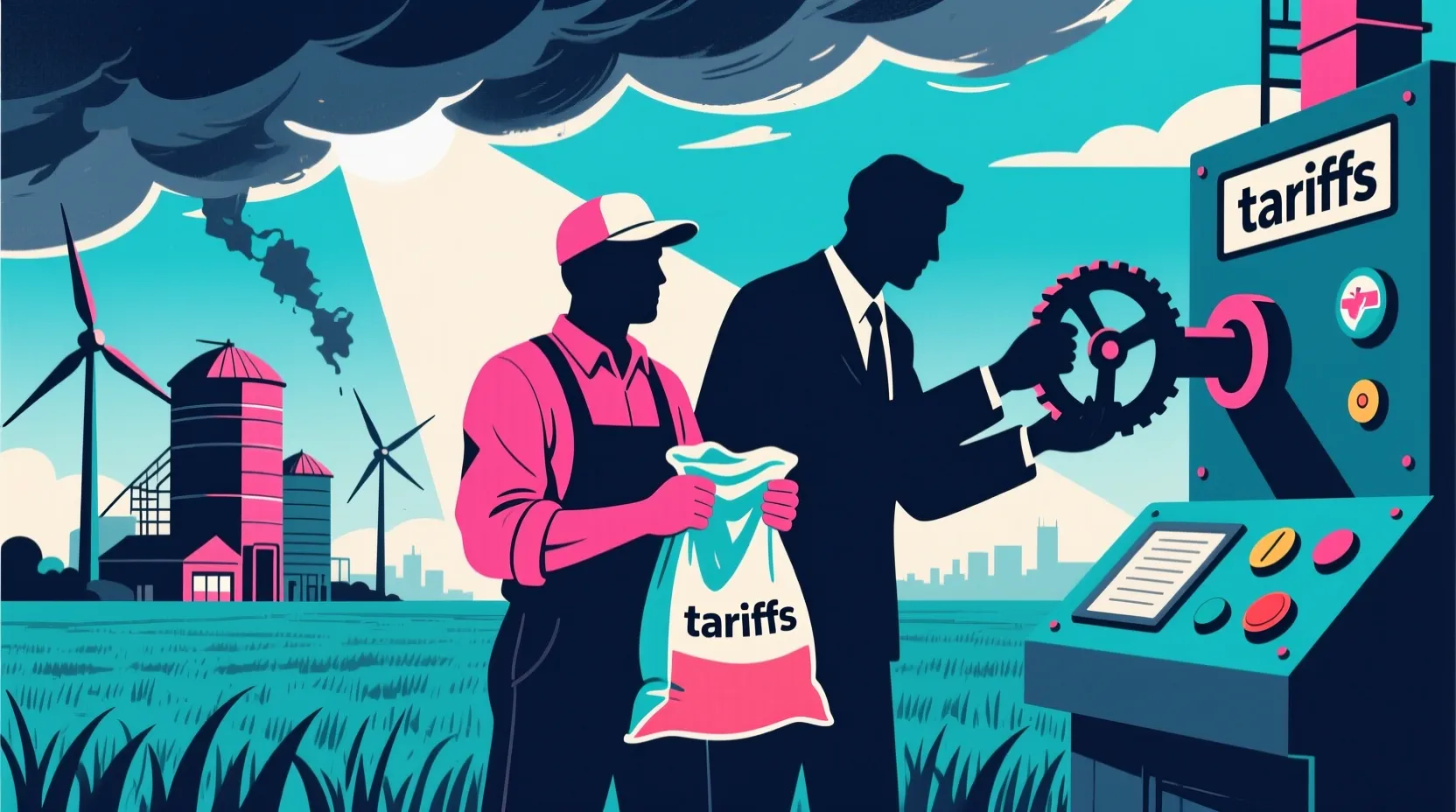
The Trump administration is sounding the alarm over rising fertilizer prices, calling them a growing burden for American farmers. But the concern comes with a twist: the official now tasked with addressing trade-related cost pressures, U.S. Trade Representative Jamieson Greer, spent the year before joining the administration lobbying for policies that helped inflate those very prices.
Before taking office, Greer advocated for stricter tariffs on imported fertilizers, arguing they would protect domestic producers. Those same measures, however, limited supply and contributed to higher costs for farmers who rely on affordable inputs to plant their crops. Now, as trade chief, Greer is central to the administration's efforts to ease the financial strain on agriculture-a sector already grappling with tight margins.
The shift has drawn criticism from across the political spectrum. Observers point to a contradiction: a top trade official helped shape policies that restricted competition and raised prices, and is now positioned to respond to the fallout. Some farmers say they feel caught in a policy loop, where decisions made in Washington have real consequences in the field, but little consistency in messaging or approach.
Fertilizer costs are a major line item in farming budgets, and sustained high prices can affect everything from planting decisions to food costs down the line. While the administration has not proposed rolling back the earlier tariffs, it has begun exploring ways to increase supply through alternative trade channels and is in talks with certain producers abroad.
Still, the episode has fueled broader questions about how trade policy is shaped and by whom. Critics argue that the revolving door between lobbying and government roles can lead to outcomes that benefit narrow interests over everyday producers. Supporters of the current approach say protecting U.S. manufacturing, including fertilizer production, is a long-term strategic goal worth short-term trade-offs.
For farmers, the debate can feel distant. Many say they just need stable, predictable access to affordable supplies. As one Iowa corn grower put it, "We're not asking for favors. We're asking not to get hit twice-once by high prices, and again by the policies that caused them."
The administration maintains that it's focused on solutions, but the situation underscores how past decisions can complicate present responses. With planting season underway, time is running short to make a difference in the field.
About this author
Zwely News Staff compiles multi-source reporting into concise, viewpoint-aware coverage for readers who want context without noise.
Source Notes
The Trump Administration Is Worried About High Fertilizer Prices. Its Top Trade Official Lobbied for Them.
Before joining the Trump administration last year, U.S. Trade Representative Jamieson Greer lobbied for tariffs that limited fertilizer imports and drove up prices for American farmers.
Trump Administration Can’t Get Its Story Straight on Sky-High Gas Prices
The president and his administration keep insisting that gas prices aren’t a problem, even as they admit they might remain high
Previous story
The SPLC is under federal investigation over its old informant program
Next story