
The Strait of Hormuz is barely moving as Iran seizes ships and the US extends its ceasefire
Tensions flare again in one of the world's most critical oil chokepoints
At a glance
What matters most
- Iran seized at least two cargo ships in the Strait of Hormuz, a key oil shipping lane, despite a US ceasefire extension.
- President Trump extended the ceasefire indefinitely but kept economic pressure on Iran, including a naval blockade.
- Commercial traffic through the strait has dropped sharply, from over 100 ships daily to just a handful.
- Peace talks between the US and Iran appear stalled, with both sides showing little willingness to back down.
Across the spectrum
What people are saying
A quick look at how the same story is being framed from different angles.
On the Left
The US is prolonging the crisis by maintaining sanctions and a blockade while pretending to seek peace. Trump's approach gives Iran a pretext for aggression without addressing the root cause: years of economic warfare that have hurt ordinary Iranians. Real diplomacy means lifting sanctions, not extending ceasefires with conditions.
In the Center
Both sides are sending mixed signals. The US wants to appear tough while leaving room for talks, but keeping the blockade undermines that goal. Iran, meanwhile, is using ship seizures to assert leverage. Until one side makes a clear, reciprocal gesture, the stalemate-and the risk of escalation-will continue.
On the Right
Iran doesn't respond to goodwill-it responds to strength. Trump's ceasefire extension was a mistake so long as Tehran continues hostile acts. The US should back its allies, secure the strait with force if needed, and make clear that attacks on shipping will be met with immediate retaliation.
Full coverage
What you should know
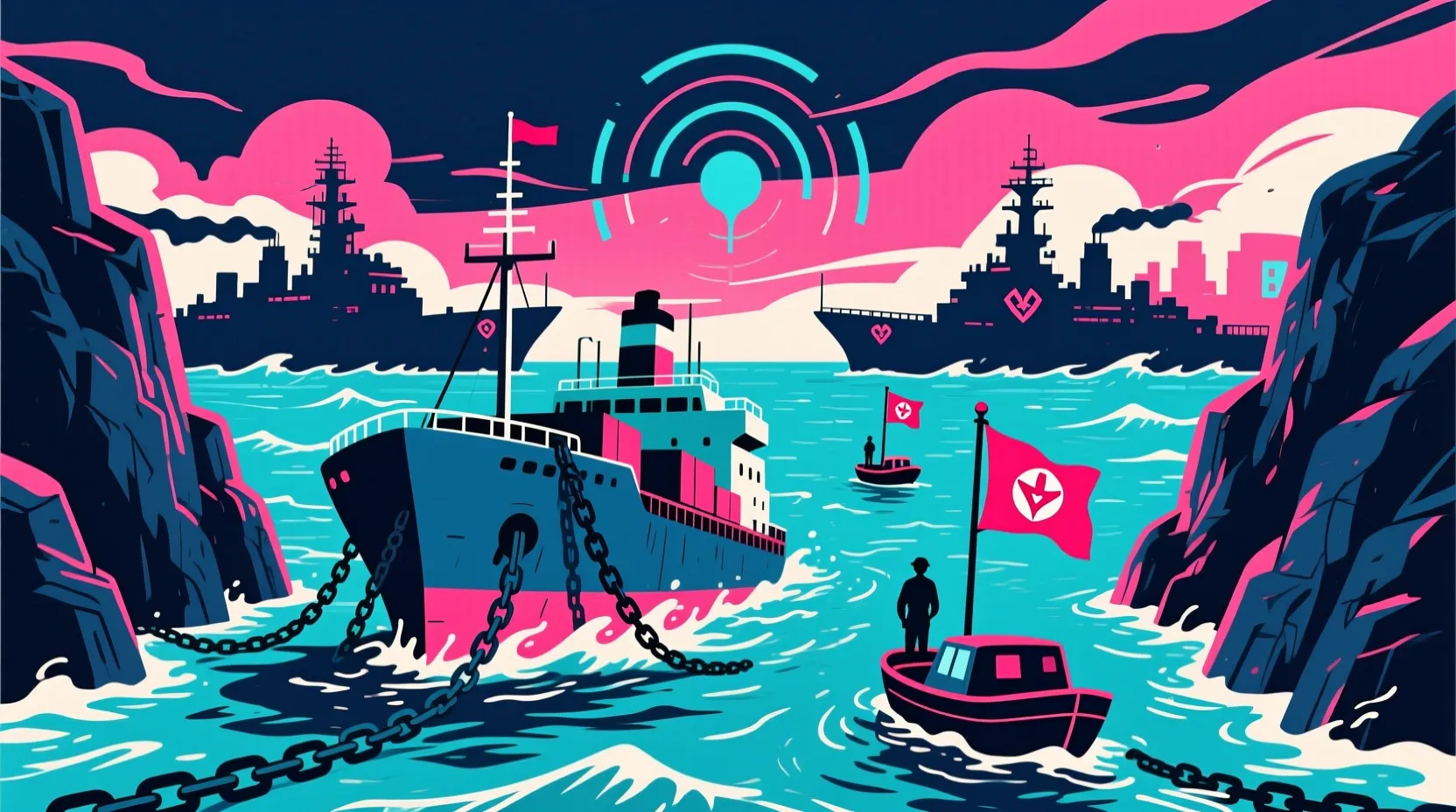
The Strait of Hormuz, one of the world's most important oil transit routes, is barely functioning this week after Iran seized at least two commercial vessels in a sharp escalation of regional tensions. The move comes just hours after President Trump extended a US ceasefire with Iran indefinitely, a gesture meant to revive faltering peace talks. But with American naval forces still enforcing a blockade and Iran responding with force, the narrow waterway has ground to a near halt.
Before the conflict, more than 100 ships passed through the strait daily, carrying about a fifth of the world's oil. Now, only a few vessels dare to enter, according to maritime tracking data. The drop reflects deep uncertainty among shipping companies, which are weighing the risks of transiting through a militarized zone where even neutral ships may become targets.
Iran claimed responsibility for seizing the ships, saying they were violating maritime rules and carrying sanctioned goods. The US and several European nations have dismissed those justifications as pretextual, calling the seizures acts of piracy. At least three ships were fired upon Wednesday, with two being taken into Iranian custody. Crew nationalities have not been fully confirmed, but early reports suggest a mix of Filipino, Indian, and Eastern European sailors are being held.
Trump's ceasefire extension, announced Tuesday, was meant to create space for diplomacy. But it came with a catch: the US is maintaining its naval blockade and economic sanctions, which Iran says amount to continued warfare. Analysts say that mixed signal-peace with pressure-has left both sides talking past each other. "You can't extend a ceasefire while still blockading a country and expect them to act like the war is over," said one Middle East expert on background.
The breakdown in trust isn't limited to US-Iran relations. Regional allies, including Saudi Arabia and the UAE, are urging Washington to clarify its strategy. Both nations rely heavily on the strait for oil exports and have offered to mediate, but so far without success. Meanwhile, Israel-Lebanon tensions have also flared, with Hezbollah launching attacks across the border, further destabilizing the region.
Markets are watching closely. Oil prices ticked up slightly Tuesday and Wednesday, though not yet at crisis levels. But traders are wary. A prolonged closure of the strait could send prices soaring, especially if Iran moves to mine the waterway or targets larger tankers. Insurance rates for ships heading into the Gulf have already spiked.
For now, the window for diplomacy remains open, but narrow. With both Washington and Tehran digging in, the risk of miscalculation is growing. A single incident-a detained crew member harmed, a warship firing first-could ignite a wider conflict no one seems eager to start, but no one seems able to stop.
About this author
Zwely News Staff compiles multi-source reporting into concise, viewpoint-aware coverage for readers who want context without noise.
Source Notes
Strait of Hormuz remains basically closed as Iran seizes ships after Trump ceasefire extension
Ship traffic in the Strait of Hormuz is still way below normal levels before the war when more than 100 vessels crossed daily.
Live updates: Iran seizes ships in Strait of Hormuz as with peace talks in limbo
Iran attacked and seized at least two cargo ships in the Strait of Hormuz on Wednesday, as peace talks between Iran and the U.S. appear to be on ice. President Trump extended the U.S. ceasefire indefinitely on Tuesday, only hours after sayi...
Iran Claims It Fired on and Seized Ships - but There's More to the Story
Iran Claims It Fired on and Seized Ships - but There's More to the Story
Why is Trump wooing psychedelics? It’s really about Iran
Critics say that the order will only shave a few months off of FDA approval, but it made Joe Rogan happy
Iran reportedly fires on three ships in Strait of Hormuz
The Islamic Republic of Iran reportedly opened fire on three vessels in the Strait of Hormuz on Wednesday amid ongoing tensions in the region.
Headlines for April 22, 2026
Trump Extends Iran Ceasefire But Maintains Blockade as Iran Seizes Ships in Strait of Hormuz, Israel-Lebanon Ceasefire Frays as Hezbollah Fires on Israeli Forces, Israeli Army Reservist Kills Two Palestinians in West Bank Settler Attack, NY...
Previous story
Best Buy brings in Jason Bonfig as its new CEO to navigate retail's next chapter
Next story