
The US is moving to blockade Iranian ports after peace talks fall apart
Oil prices jump past $100 a barrel as tensions spike in the Persian Gulf
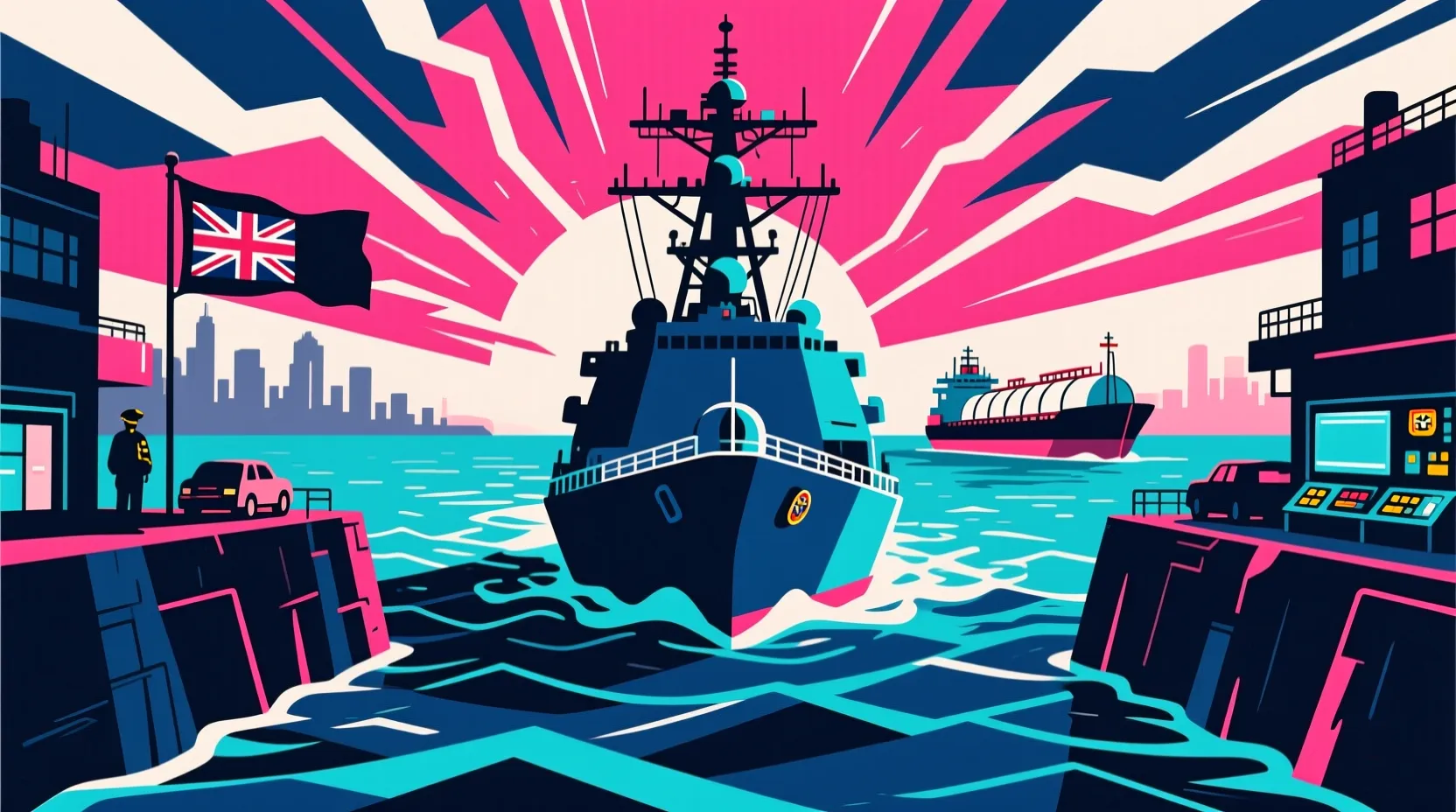
At a glance
What matters most
- The US will begin a naval blockade of Iranian ports on Monday after peace talks in Pakistan failed over unmet demands.
- Oil prices have climbed above $100 a barrel as markets react to the risk of supply disruption in the Persian Gulf.
- US Central Command says ships can still pass through the Strait of Hormuz as long as they're not docking in Iran.
- The move follows claims from US officials that Iran did not meet any of six key conditions during negotiations.
Across the spectrum
What people are saying
A quick look at how the same story is being framed from different angles.
On the Left
This blockade is a dangerous overreach that prioritizes military pressure over diplomacy. Instead of addressing root causes or engaging in good-faith negotiations, the US is resorting to economic coercion that will hurt ordinary Iranians most. History shows these tactics rarely lead to lasting peace and often fuel resentment and instability.
In the Center
While the US has legitimate security concerns, especially around nuclear proliferation and regional influence, a naval blockade carries serious risks. It could backfire by provoking retaliation or disrupting global energy markets. The challenge is balancing firmness with room for diplomacy before the situation spirals.
On the Right
After years of Iranian aggression and broken promises, strong action is overdue. The US needs to enforce clear red lines, and economic pressure through a targeted blockade is a necessary step. If Iran wants sanctions lifted or ports open, it must meet basic demands on nuclear transparency and missile development.
Full coverage
What you should know
The United States is preparing to enforce a full blockade of Iranian ports beginning Monday, a major escalation confirmed by US Central Command after peace talks in Islamabad collapsed over the weekend. The decision follows what US officials describe as Iran's failure to meet any of six core demands, including limits on its nuclear program and missile development, though Tehran has not publicly responded to those claims.
The announcement has sent oil prices soaring past $100 a barrel, a psychological threshold that often signals deep market anxiety. Brent crude rose more than 6% in early trading Monday, as traders weigh the risk of supply disruptions in one of the world's most critical energy corridors. While the Strait of Hormuz will remain open for vessels heading to or from other countries, any ship attempting to dock at an Iranian port could be intercepted by US naval forces.
Central Command emphasized that the blockade is not a closure of the strait itself, which handles about 20% of the world's oil shipments. That distinction is meant to prevent a broader conflict with regional allies and shipping nations who depend on free passage. Still, the line between monitoring and confrontation is thin, and even a minor incident could escalate quickly in such a volatile environment.
The failed negotiations in Pakistan were the latest in a series of attempts to de-escalate tensions that have simmered for years. US officials say Iran walked away from commitments discussed in earlier rounds, particularly around transparency with its uranium enrichment activities. But critics warn that economic pressure alone rarely leads to lasting diplomatic breakthroughs and could instead push Iran toward more aggressive posturing.
Iran has yet to issue an official statement on the blockade, but past responses to similar actions suggest it may retaliate through proxy forces in the region or by increasing enrichment activity. The Houthis in Yemen, Iraqi militias, and Hezbollah in Lebanon have all acted in coordination with Iranian interests during previous standoffs.
Global reaction has been cautious. European leaders are urging restraint, while China and Russia have criticized the US move as provocative. Energy-importing nations in Asia are closely monitoring the situation, with some reportedly looking to release strategic reserves if prices continue to climb.
For now, the focus remains on the Persian Gulf, where US warships are already repositioning. The coming days will test whether the blockade pressures Iran into renewed talks-or pushes the region closer to conflict.
About this author
Zwely News Staff compiles multi-source reporting into concise, viewpoint-aware coverage for readers who want context without noise.
Source Notes
Oil back above $100 as US to blockade Iranian ports after peace talks fail
The failure of negotiations at the weekend has raised concerns that the global energy crisis will deepen.
US military threatens to blockade all Iranian ports starting on Monday
Vessels will still be able to transit the Strait of Hormuz to and from non-Iranian ports, says US Central Command.
Inside the U.S-Iran Negotiations: Iran Failed to Meet U.S. on 6 Key Red Lines
Iranian negotiators failed to meet the United States on six of its key red lines during talks in Islamabad, Pakistan, over the weekend, according to a U.S. official. The post Inside the U.S-Iran Negotiations: Iran Failed to Meet U.S. on 6 K...
CENTCOM Starts the Iranian Blockade Monday - Here Are the Rules and What to Look For
CENTCOM Starts the Iranian Blockade Monday - Here Are the Rules and What to Look For
Previous story
Trump's threat to blockade Hormuz is stirring market jitters and skepticism
Next story