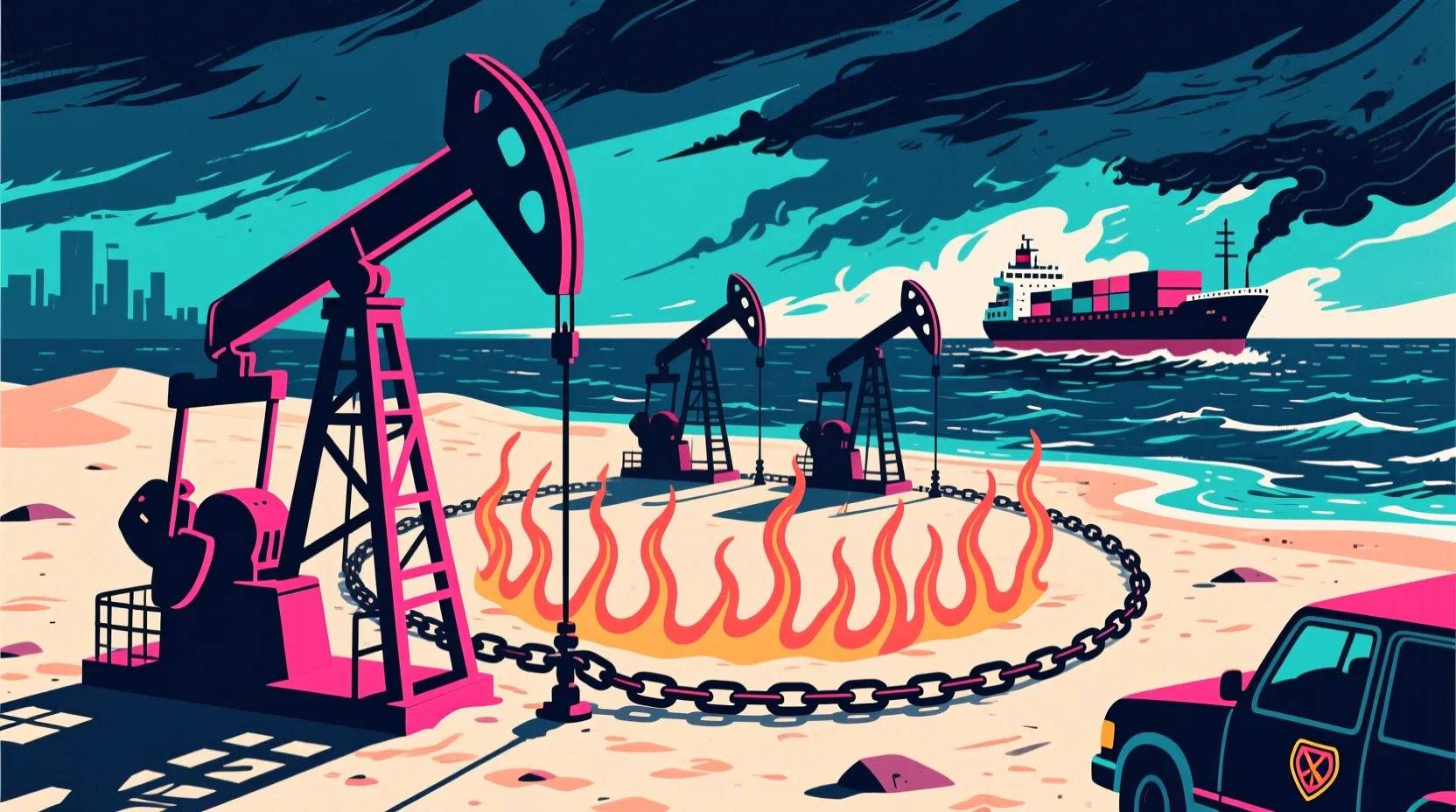
The US is relying on drone tech to clear mines in the Strait of Hormuz as tensions with Iran simmer
With old minesweepers retired, the Navy's new robotic systems are being tested in a high-stakes standoff.

At a glance
What matters most
- The US is using drone-based systems to clear mines in the Strait of Hormuz after retiring its last dedicated minesweepers.
- Iran is accused of laying naval mines, restricting tanker traffic and escalating tensions during a fragile ceasefire.
- Shipping companies are hesitant to send crews through the strait, calling the decision extremely dangerous.
- Analysts say full reopening of the strait may not happen until late 2026, affecting global energy markets.
Across the spectrum
What people are saying
A quick look at how the same story is being framed from different angles.
On the Left
The current crisis shows the risks of relying on military tech over diplomacy. Instead of investing in more drones, the US should be pushing for de-escalation and arms control agreements in the region. The retirement of minesweepers without fully proven replacements reflects misplaced priorities that put both sailors and global stability at risk.
In the Center
The shift to drone systems was inevitable given advances in technology and the high cost of manned operations. But this moment reveals the dangers of transitioning too quickly without full operational readiness. The US needs both capable technology and strong diplomatic channels to manage flashpoints like the Strait of Hormuz.
On the Right
The US is doing what's necessary to protect global shipping and counter Iranian aggression. Relying on drones keeps American personnel out of harm's way while maintaining pressure on hostile actors. The real failure would be hesitating to use advanced tools that give the US an edge in modern naval conflicts.
Full coverage
What you should know
The Strait of Hormuz, a narrow waterway linking the Persian Gulf to the open ocean, is once again at the center of a geopolitical standoff. The US Navy is deploying unmanned drone systems to clear suspected naval mines laid by Iran, according to defense officials and maritime analysts. The effort comes as tanker traffic remains sharply reduced, with energy markets on edge and shipping companies reluctant to risk crews in what some describe as a de facto war zone.
For decades, the US relied on specialized minesweepers to patrol and clear threats in the strait. But those vessels were retired in recent years as the Navy shifted focus toward drone and remote-operated technology. Now, that strategic pivot is being tested under real-world pressure. Officials say the new drone systems can detect and neutralize mines from a distance, reducing risk to personnel. But critics question whether the technology is fully ready for such a high-stakes mission.
Iran has not officially confirmed laying mines, but satellite imagery and maritime intelligence reports suggest increased underwater activity in the area. The moves come amid a fragile ceasefire in a broader regional conflict, with both sides enforcing competing blockades. The US and its allies argue that keeping the strait open is vital for global energy supplies; Iran appears to be using the waterway as leverage in ongoing negotiations.
For shipping companies, the calculus is grim. Sending a vessel through the strait means putting civilian crews in harm's way. One logistics controller told the New York Times, "Basically you're sending someone unarmed into war." Some tankers have been stuck inside the Persian Gulf for weeks, waiting for safer passage. Others are rerouting thousands of miles around Africa, adding time and cost to every shipment.
Energy analysts warn the disruption could last well into the second half of 2026. Baker Hughes, the oilfield services company, noted in a recent report that even partial reopening doesn't guarantee a return to normal traffic. "Market confidence has to come back," the report stated, "and that depends on sustained security, not just cleared lanes."
The situation underscores a broader shift in naval warfare. As drones take on more dangerous missions, militaries are rethinking how to protect global trade routes without putting sailors in the line of fire. But the transition isn't seamless. The current crisis is the first real test of whether unmanned systems can deliver when traditional tools are no longer an option.
For now, the world watches and waits. The Strait of Hormuz handles about a fifth of global oil supply. If the drone-led clearance succeeds, it could set a precedent for future maritime operations. If it falters, the cost could be measured in both barrels of oil and human lives.
About this author
Zwely News Staff compiles multi-source reporting into concise, viewpoint-aware coverage for readers who want context without noise.
Source Notes
US turns to drones after retiring minesweepers to reopen Strait of Hormuz amid Iran crisis
The U.S. is racing to reopen the Strait of Hormuz as Iran reportedly lays mines in the critical waterway, testing the Navy's shift to unmanned systems.
Strait of Hormuz may not fully reopen until second half of 2026, Baker Hughes says
Tanker traffic through the strait remains very low as the U.S. and Iran try to enforce competing blockades during a fragile ceasefire agreement.
The Peril of Piloting Ships Through the Strait of Hormuz
Controllers for shipping companies face a daunting decision as they try to free vessels trapped in the Persian Gulf: “Basically you’re sending someone unarmed into war.”
Previous story
Russia is hitting Ukrainian cities in broad daylight, and that's a big shift from how the war used to be
Next story