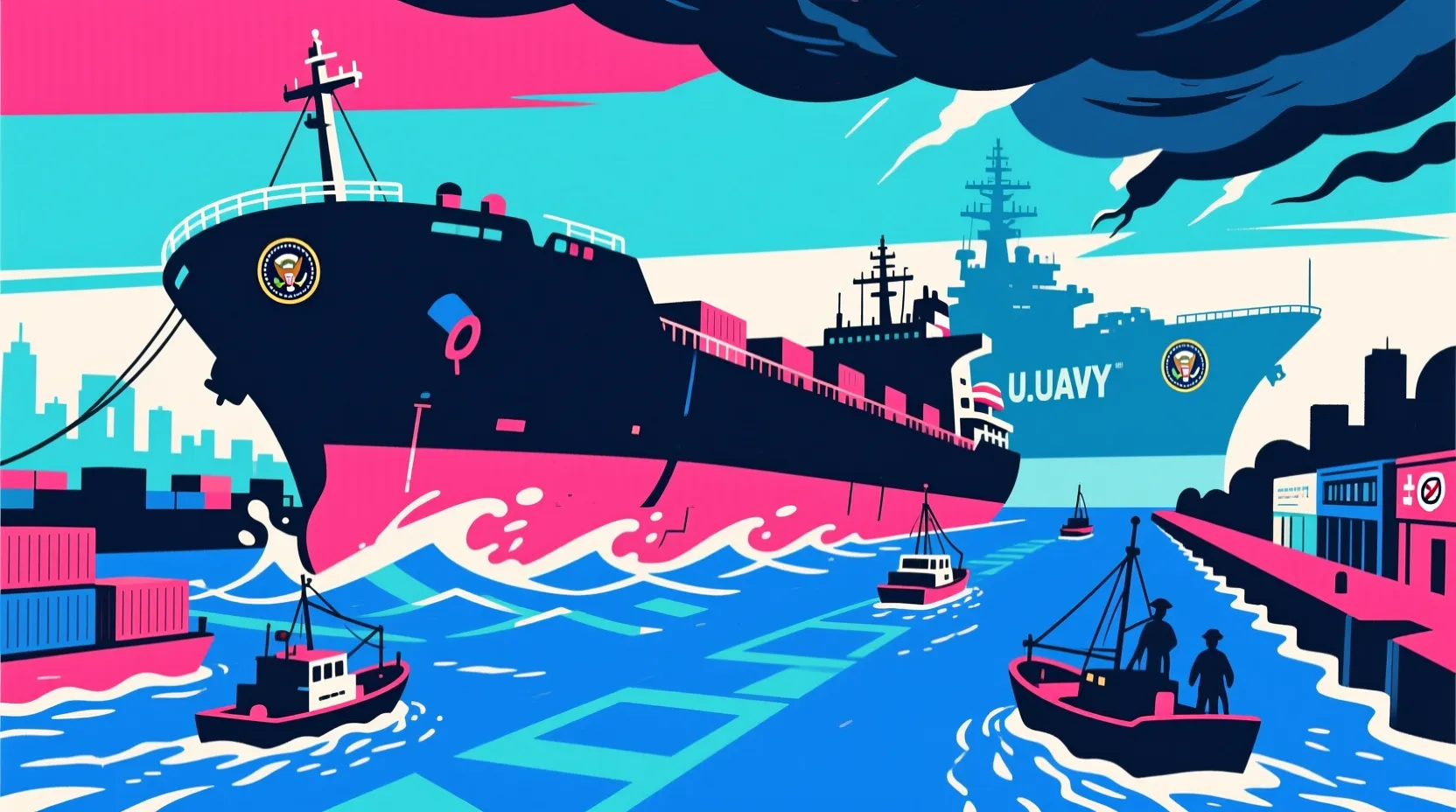
Trump orders blockade of the Strait of Hormuz after Iran talks fall apart
The first ship has crossed under US military watch, but tensions are high and global markets are on edge
At a glance
What matters most
- President Trump announced a complete blockade of the Strait of Hormuz after peace talks with Iran collapsed
- The first ship crossed the strait under US military monitoring, but most traffic remains stalled
- The blockade targets all vessels entering or leaving Iranian ports, raising fears of a broader regional conflict
- Oil prices jumped more than 7% in early trading as markets react to the potential disruption
Across the spectrum
What people are saying
A quick look at how the same story is being framed from different angles.
On the Left
This blockade is a dangerous escalation driven by political posturing rather than diplomacy. Cutting off a major global shipping route punishes ordinary people and risks a wider war, all while bypassing Congress and international law. There were still diplomatic paths forward, and this move undermines them in favor of a show of force that could backfire spectacularly.
In the Center
The blockade is a high-stakes pressure tactic that reflects deep frustration with Iran's nuclear posture, but it carries serious risks. While the US has tools to enforce it, the economic and security fallout could spiral quickly. The real test will be whether this forces Iran to negotiate or pushes the region toward conflict.
On the Right
After years of failed deals and Iranian aggression, strong action is long overdue. Trump is using American power to protect global interests and hold Iran accountable. A firm blockade sends a clear message: you can't threaten stability and expect business as usual. This is deterrence in action.
Full coverage
What you should know
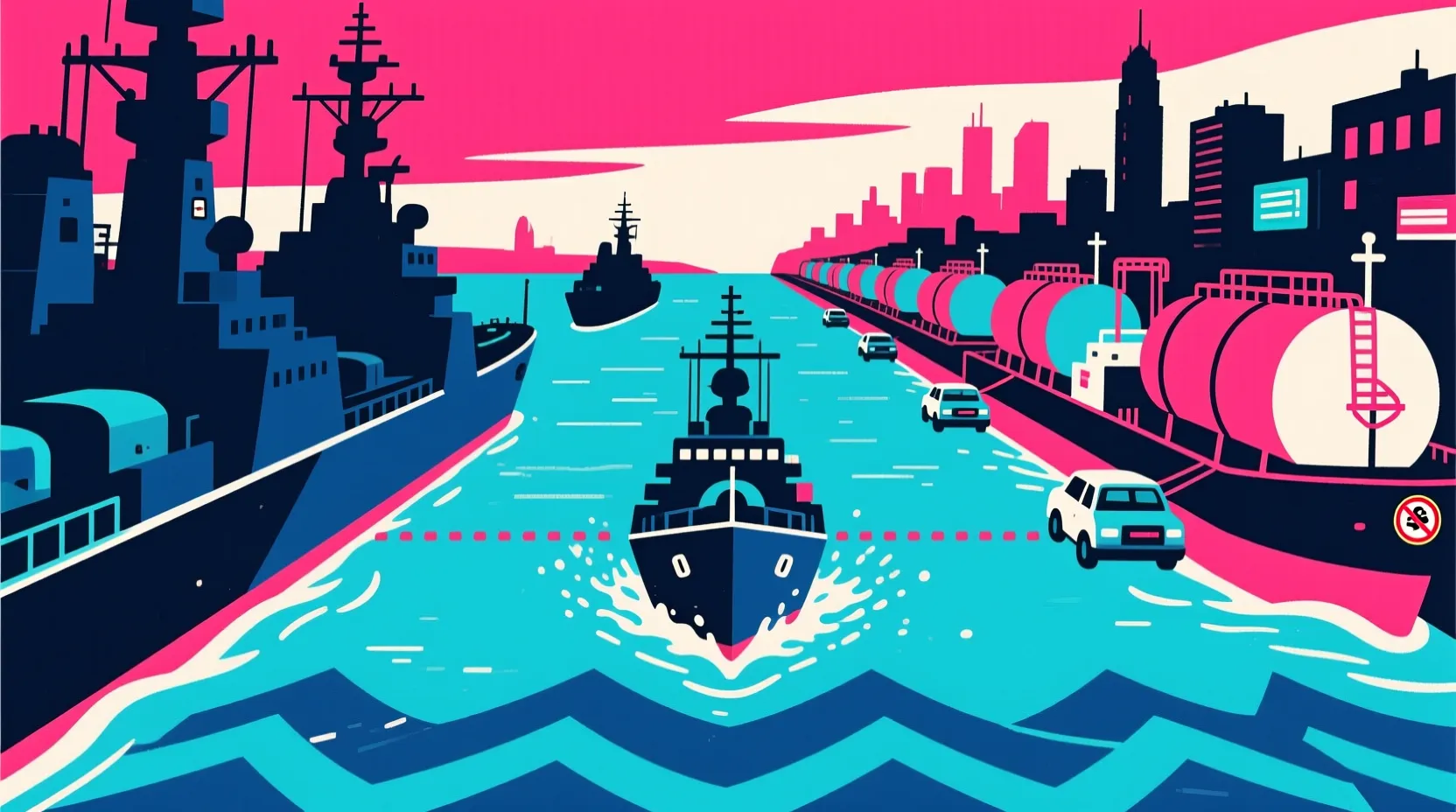
The first commercial vessel has crossed the Strait of Hormuz under US military observation, marking the beginning of a sweeping blockade ordered by President Donald Trump after last week's nuclear negotiations with Iran ended without agreement. The move, announced late Sunday on Truth Social, directs the US Navy to restrict all ship traffic to and from Iranian ports, effectively sealing off one of the world's most critical energy chokepoints.
According to US defense officials, the blockade applies to any and all ships attempting to enter or leave the strait, though the first vessel to pass did so after being cleared for non-Iranian cargo and destination. The Pentagon has not confirmed how many ships are currently waiting to transit, but satellite data suggests dozens are anchored near the entrance, holding position as the situation unfolds.
The Strait of Hormuz handles about 20% of the world's oil supply, and even the threat of disruption has sent shockwaves through global markets. Crude oil prices surged more than 7% Monday morning, with Brent crude briefly topping $110 a barrel. Shipping insurers have already begun adjusting risk assessments, and several major energy firms are rerouting vessels as a precaution.
Trump framed the blockade as a necessary response to what he called Iran's refusal to negotiate in good faith. In his post, he warned that any ship supporting Iranian interests would be turned back or seized. "We're putting on a complete blockade," he wrote. "Iran knows what they did." The White House has not issued a formal legal justification, but national security sources say the order is being executed under existing authorities related to maritime interdiction.
Reaction from US allies has been cautious. European leaders have called for de-escalation, while Gulf states are quietly preparing for potential retaliation. Iran has not yet issued a direct military response, but state media have denounced the blockade as an act of war and vowed "a crushing reply."
Analysts warn the situation remains volatile. While the US has the naval strength to enforce the blockade for now, maintaining it long-term could stretch resources and invite confrontation. "This isn't just about oil," said one Middle East strategist. "It's about who controls access, and how far each side is willing to go."
For now, the world is watching one narrow strip of water where global trade, military power, and political will are all converging. The first ship made it through, but no one knows yet how many will follow-or what might happen to the next one that doesn't.
About this author
Zwely News Staff compiles multi-source reporting into concise, viewpoint-aware coverage for readers who want context without noise.
Source Notes
How many ships are crossing the Strait of Hormuz?
The first vessel has crossed the Strait of Hormuz after the US imposed a military blockade of Iran's ports.
U.S. begins blockade in Strait of Hormuz; Trump warns Iran 'attack ships' to stay away
The U.S. blockade would apply to "any and all Ships trying to enter, or leave, the Strait of Hormuz," President Donald Trump said.
Trump eyes Iranian ports in plan set to unfold after peace talks fail
After Iran and the United States failed to reach a resolution during the negotiations last week, President Trump has resorted to stricter measures against Iran. Trump announced late Sunday night his latest plan.'The blockade will be enforce...
After peace talks falter, Trump tries plan B: ‘Blockade’
‘WE’RE PUTTING ON A COMPLETE BLOCKADE’: In an overnight post on Truth Social, President Donald Trump announced his planned blockade of the Strait of Hormuz would begin at 10 a.m. Washington time, 5:30 p.m. in Iran. “We’re putting on a compl...
Previous story
Tucker Carlson is starting a new book imprint with some controversial names on deck
Next story