Trump says he's winning against Iran, but the fallout is reshaping global alliances
Even as the administration claims victory, new tensions are flaring with China and Russia stepping in
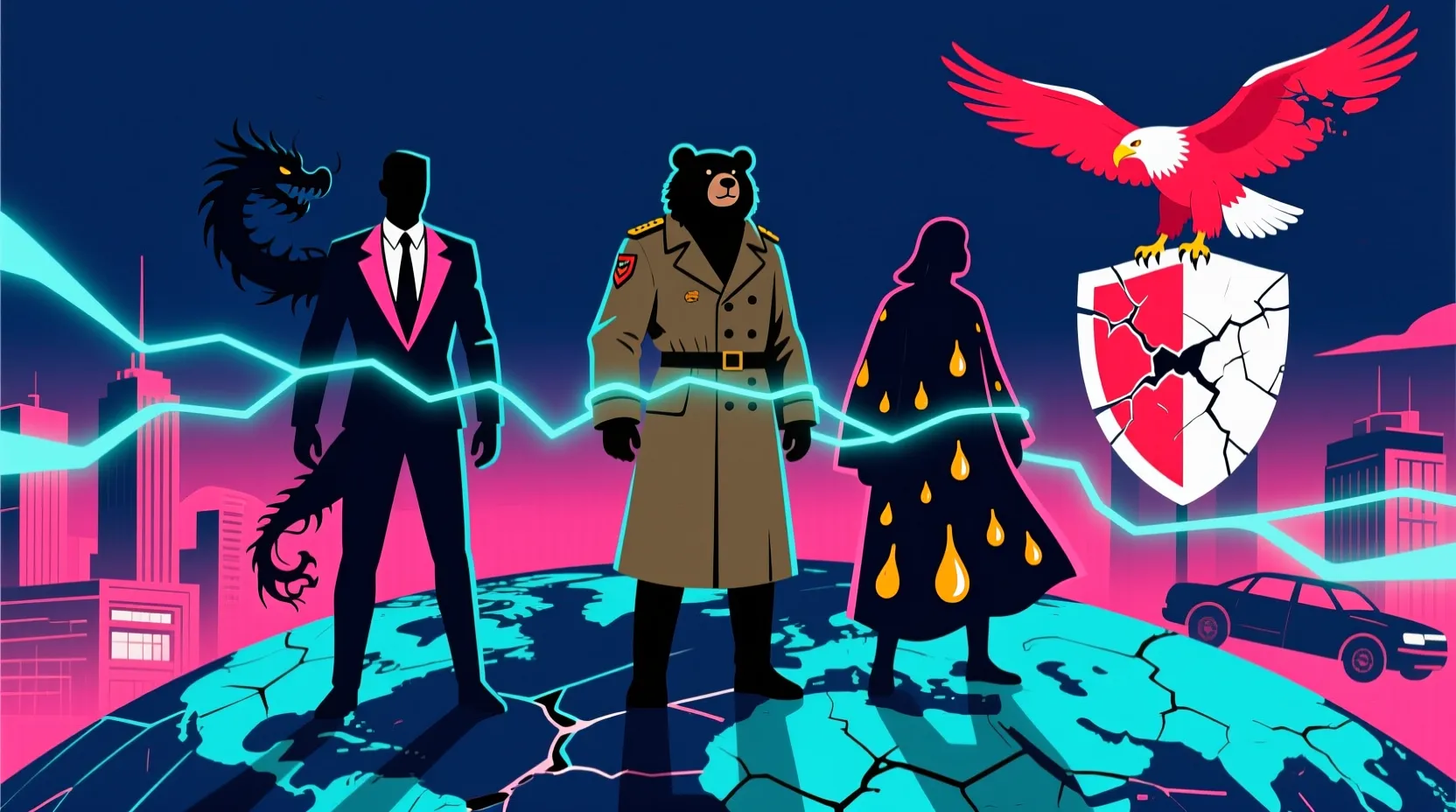
At a glance
What matters most
- Trump has declared major progress in pressuring Iran following military strikes and naval seizures earlier this year
- Iran is increasingly aligning with China and Russia, forming a counterweight to U.S. influence in the region
- NATO allies are growing uneasy over the pace and scope of U.S. actions, raising concerns about transatlantic cohesion
- Peace talks are planned, but Iran has signaled it may skip them unless sanctions are lifted first
Across the spectrum
What people are saying
A quick look at how the same story is being framed from different angles.
On the Left
Trump's confrontational approach has backfired by pushing Iran into the arms of U.S. rivals. Instead of isolating Tehran, his actions have accelerated a new anti-American bloc led by China and Russia. Diplomacy should come before military escalation, especially when it risks widening global fractures.
In the Center
While the pressure on Iran has yielded some short-term gains, the long-term consequences are uncertain. Strengthening ties between U.S. adversaries is a serious concern, and NATO cohesion remains vital. The upcoming talks could be a turning point - if all sides enter them with flexibility.
On the Right
Trump is doing what others haven't dared: standing tough against a regime that sponsors terrorism and threatens global stability. The fact that China and Russia are stepping in only proves Iran sees America as a real threat. Now is not the time to retreat, but to keep the pressure on.
Full coverage
What you should know
President Donald Trump is claiming momentum in his hardline campaign against Iran, pointing to recent military actions and diplomatic pressure as proof of success. In early February, the U.S. launched joint strikes with Israel, followed by the seizure of an Iranian vessel by Marines from the USS Tripoli - moves the administration says have weakened Tehran's regional reach.
But while the White House celebrates these developments, a more complex picture is emerging. Iran hasn't backed down. Instead, it's deepening ties with China and Russia, forming what analysts now describe as a growing strategic axis. Naval exercises between Russian and Chinese forces have become more frequent, and Iranian ports are seeing increased cooperation with both nations, especially in energy and defense.
This shift is raising alarms among U.S. allies. Some NATO members worry the aggressive posture is pushing adversaries together rather than isolating them. Behind closed doors, diplomats from European capitals have expressed concern that America is acting unilaterally, potentially fracturing the alliance at a moment when coordinated pressure matters most.
Meanwhile, plans for peace talks have been announced, with the U.S. inviting Iran to negotiations aimed at de-escalating tensions. But Tehran has signaled it may boycott the talks unless sanctions are eased first - a precondition the White House has so far rejected.
The administration argues that maintaining pressure is the only way to force meaningful dialogue. Officials say the goal isn't regime change but behavioral change - curbing Iran's missile program and ending support for proxy groups across the Middle East.
Still, critics warn that without buy-in from key global players, including European partners and even regional actors like India and Turkey, any deal could be short-lived. The current strategy may be winning tactical battles, but the broader geopolitical landscape appears to be shifting in ways that could outlast any single administration.
As the situation evolves, the focus isn't just on what happens with Iran - it's on how the rest of the world is responding. The alliances forming today could define the next decade of global power dynamics.
About this author
Zwely News Staff compiles multi-source reporting into concise, viewpoint-aware coverage for readers who want context without noise.
Source Notes
Trump may claim he won the fight with Iran, but there’s a bigger war already underway
President Trump's Iran campaign pressured Tehran but accelerated a China-Russia-Iran axis while pushing NATO closer to a historic break.
Iran live updates: Marines from USS Tripoli seized Iranian vessel, CENTCOM says
President Donald Trump announced "major combat operations" against Iran on Feb. 28, with massive joint U.S.-Israeli strikes.
Morning news brief
Trump announces planned Iran war peace talks, Tehran signals it may boycott negotiations amid ongoing U.S. naval pressure, businesses can now apply for Trump tariff refunds.
Previous story
Trump's push for Iran talks hits a wall as Tehran says it's not showing up in Pakistan
Next story