
Trump tells Navy to block ships paying Iran near Hormuz as oil prices jump
The move tightens pressure on Tehran but raises fears of disruption in a key oil route
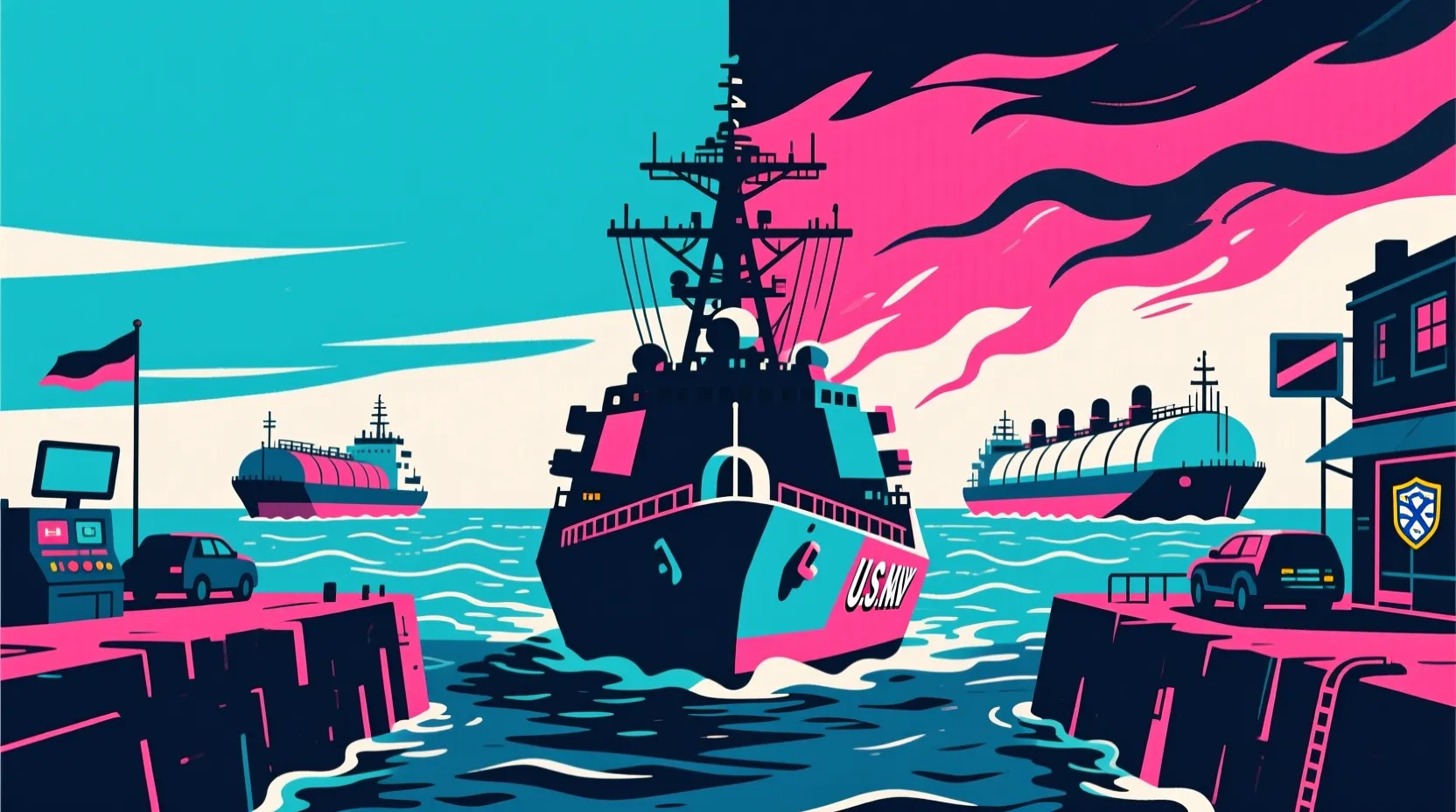
At a glance
What matters most
- President Trump ordered the Navy to stop ships that pay Iran to transit near the Strait of Hormuz, a major oil shipping lane
- Oil prices rose sharply following the announcement, adding to already high gasoline prices in the U.S
- The move increases pressure on Iran but risks disrupting global energy supplies
- Some Republicans are growing uneasy about the economic impact as midterms approach
Across the spectrum
What people are saying
A quick look at how the same story is being framed from different angles.
On the Left
This move risks a dangerous escalation over a waterway vital to global trade, all while ordinary Americans bear the cost at the pump. Rather than inflaming tensions for political gain, the administration should pursue diplomacy and work with allies to stabilize energy markets and reduce reliance on volatile regions.
In the Center
The U.S. has a legitimate interest in protecting freedom of navigation, but timing matters. Taking a hard line on Iran is one thing-doing so amid high inflation and election-year anxiety raises questions about whether the benefits outweigh the economic risks.
On the Right
Standing up to Iran's coercive practices is long overdue. The U.S. has a responsibility to ensure that no rogue regime can extort money from global commerce. Strong leadership may cause short-term discomfort, but it deters aggression and protects American interests abroad.
Full coverage
What you should know
President Donald Trump has instructed the U.S. Navy to begin intercepting commercial vessels that pay transit fees to Iran near the Strait of Hormuz, a narrow but critical waterway for global oil shipments. The directive, confirmed by defense officials on Sunday, marks a significant escalation in Washington's campaign to isolate Iran economically and challenges Tehran's longstanding practice of demanding payments from ships passing through the area.
The move has already sent ripples through energy markets. Global oil prices jumped more than 3% in early trading Monday, pushing U.S. gasoline prices even higher at a time when inflation remains a top concern for American households. The administration has defended the decision as necessary to uphold international maritime law, arguing that no single nation should control or profit from a strategic chokepoint used by the world's shipping fleets.
Iran has not yet issued a formal military response, but state media condemned the U.S. action as illegal and provocative. Analysts warn that the situation could quickly escalate, especially if Iranian forces attempt to enforce their own rules in the area or if commercial ships are detained by either side. The Strait of Hormuz handles about 20% of the world's traded oil, making any disruption a potential flashpoint for broader economic fallout.
Domestically, the timing is delicate. With midterm elections less than seven months away, some Republican lawmakers are growing anxious about the impact of rising fuel costs on voters. Trump acknowledged in a recent interview that gas prices might not come down before November, a rare admission that has unsettled party leaders worried about losing seats. While the White House frames the Hormuz move as a strong stand against coercion, critics say it could backfire if it leads to sustained price hikes.
The administration insists the operation will be narrowly focused and lawful, targeting only ships that voluntarily pay Iran in exchange for safe passage. U.S. naval forces are expected to issue warnings before any interdiction, and the Pentagon says no military confrontation is planned. Still, the risk of miscalculation is high in such a congested and sensitive region.
International reaction has been cautious. European allies have urged restraint, while major Asian oil importers like Japan and South Korea are closely monitoring the situation. The United Nations has not yet commented, but maritime law experts say the U.S. position aligns with longstanding principles that global shipping lanes should remain free from unilateral tolls.
For now, the focus remains on whether the order will achieve its goal of weakening Iran's leverage without triggering a wider crisis. With oil markets on edge and political pressure mounting at home, the coming days could test both diplomatic and economic resilience.
About this author
Zwely News Staff compiles multi-source reporting into concise, viewpoint-aware coverage for readers who want context without noise.
Source Notes
Donald Trump attacks Pope Leo over Iran
Oil prices rise as president tells US navy to ‘interdict’ ships that pay Iran to pass through strategic chokepoint
Trump Says Gas Prices Might Not Drop By Midterms, Highlighting G.O.P. Peril
The president has sent mixed messages on how long he expects costs to be high. Some in his party voiced fresh concern after his comments on Sunday.
UK regulators rushing to assess risks of latest Anthropic AI model: report
Bank of England, Financial Conduct Authority and Treasury officials are in talks with the National Cyber Security Centre to examine potential vulnerabilities in critical IT systems highlighted by Anthropic's latest AI model, the FT said, ci...
Previous story
Keir Starmer plans to let UK adopt EU single market rules without parliamentary votes
Next story