Trump threatens strikes on Iran's power plants as tensions escalate
The warning has raised alarms over regional stability and the humanitarian cost of potential attacks
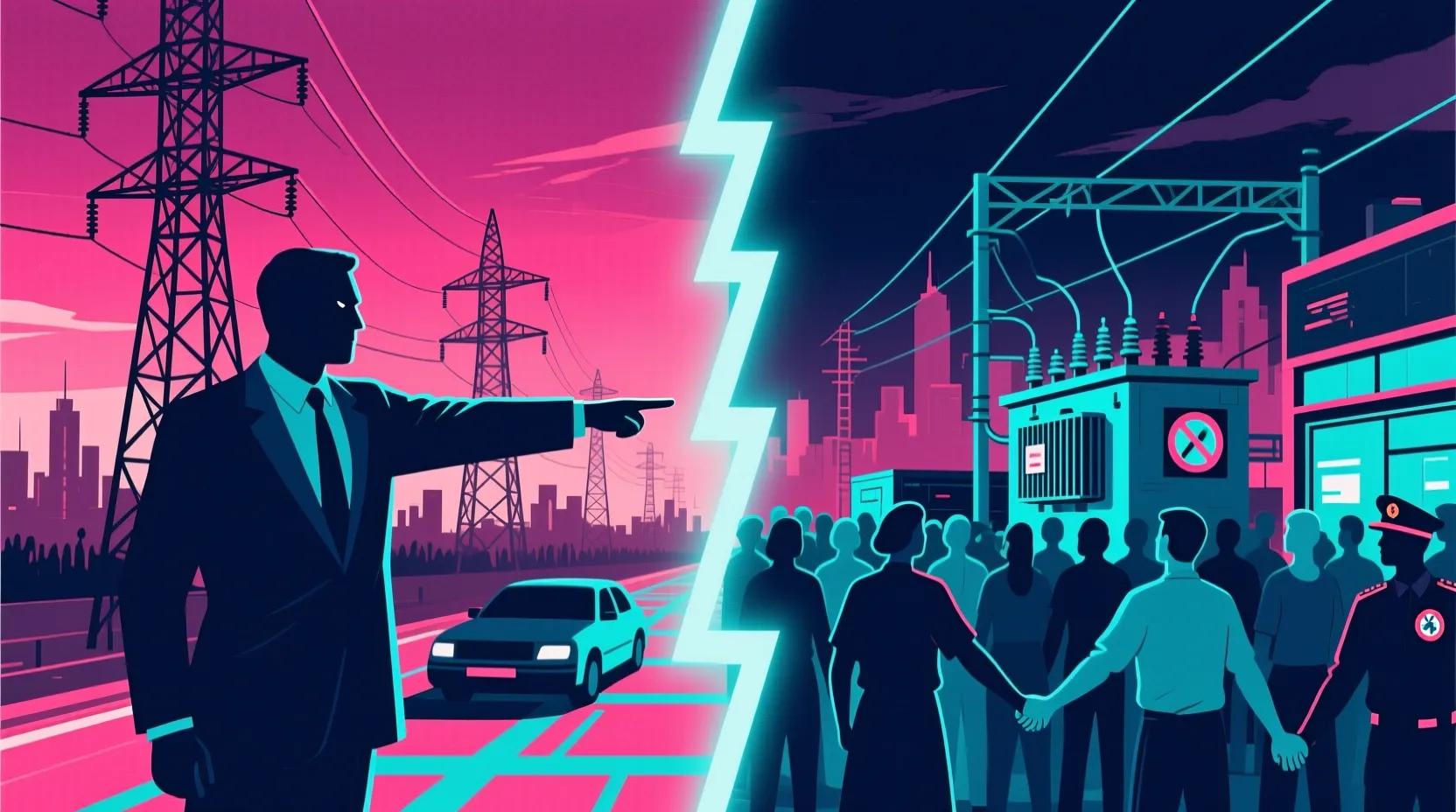
President Donald Trump has escalated tensions with Iran by threatening targeted strikes on the country's power plants if demands are not met. The warning, issued ahead of a self-imposed deadline, suggests a shift toward infrastructure targeting-a move experts say could cripple Iran's electrical grid for months. Such damage wouldn't just affect Iran; neighboring countries that rely on shared energy networks could also face disruptions, raising concerns about broader regional instability.
Analysts note that Iran's power grid is already strained, and taking out key facilities could lead to cascading failures. Repairing high-voltage transformers and substations would take time, especially under sanctions that limit access to replacement parts. In the short term, hospitals, water systems, and communication networks could all be impacted, increasing the humanitarian stakes. Some experts warn that even a limited strike could trigger unintended consequences, including mass displacement or cross-border energy shortages.
In response, Iran's president has called on citizens to form human chains around critical power stations, claiming 14 million people-including government officials-have volunteered. The appeal blends civil defense with symbolism, casting ordinary Iranians as protectors of national sovereignty. While it's unclear how many people have actually shown up, the gesture underscores how seriously Tehran is treating the threat. State media have amplified the message, portraying the moment as one of defiance against foreign pressure.
The idea of using human shields draws criticism from international observers, who say it puts civilians at risk and could violate the laws of war. But within Iran, the campaign appears designed to rally public support and deter attacks through moral and political pressure. It also shifts the narrative from military confrontation to collective resistance, a strategy that resonates with older generations who lived through the Iran-Iraq War.
Trump's rhetoric follows a pattern of using high-stakes threats to gain leverage in foreign policy. Supporters argue this kind of pressure forces adversaries to negotiate. But critics say it increases the odds of miscalculation, especially when infrastructure vital to civilian life is targeted. Past conflicts have shown that damaging power systems often harms ordinary people most, with effects lasting years after hostilities end.
Regional allies are watching closely. Countries like Iraq and Pakistan, which import electricity from Iran, could face rolling blackouts if transmission lines go down. Energy officials in the Gulf have reportedly begun contingency planning, though few are speaking publicly. The potential for economic ripple effects-on everything from manufacturing to food storage-adds another layer of complexity to the standoff.
As the deadline approaches, diplomacy appears fragile. There's no indication yet that direct talks have resumed, and both sides are making forceful public statements. The coming days may hinge on whether either leader sees an off-ramp that preserves their political standing-without triggering a conflict whose consequences could extend far beyond the battlefield.
How The Story Is Framed
Left-leaning view
Targeting civilian infrastructure like power plants is disproportionate and risks severe humanitarian harm. Iran's call for human chains is dangerous, but the real escalation began with Trump's threats. Diplomacy should be prioritized over military posturing.
Centered view
While Iran's nuclear ambitions and regional actions are concerning, attacking power grids could cause long-term civilian suffering and regional instability. Both sides are using symbolic gestures to strengthen their position, but de-escalation is urgently needed.
Right-leaning view
Trump's strong stance pressures a regime that supports terrorism and destabilizes the Middle East. Threatening critical infrastructure may be the only way to force negotiations. Iran's human chain campaign is propaganda meant to hide its aggressive intentions.
Source Notes
Strikes on Iran’s power plants would deal significant damage to regional power grids
President Donald Trump’s threat of strikes against Iranian power plants would not only devastate the country but also would impact several regional players. Destroying Iran’s power plants would disable its electrical grid for months or poss...
Iran Calls For Human Chains Around Power Plants As Trump's Deadline Nears
Iran's president said 14 million people, including himself, have volunteered to fight.
Previous story
Trump says a whole civilization will die tonight, sparking global alarm
Next story