
Trump's ally Orbán is fighting for political survival as Hungary's election nears
The long-serving prime minister is warning of chaos if he loses, but polls suggest voters may be ready for a change
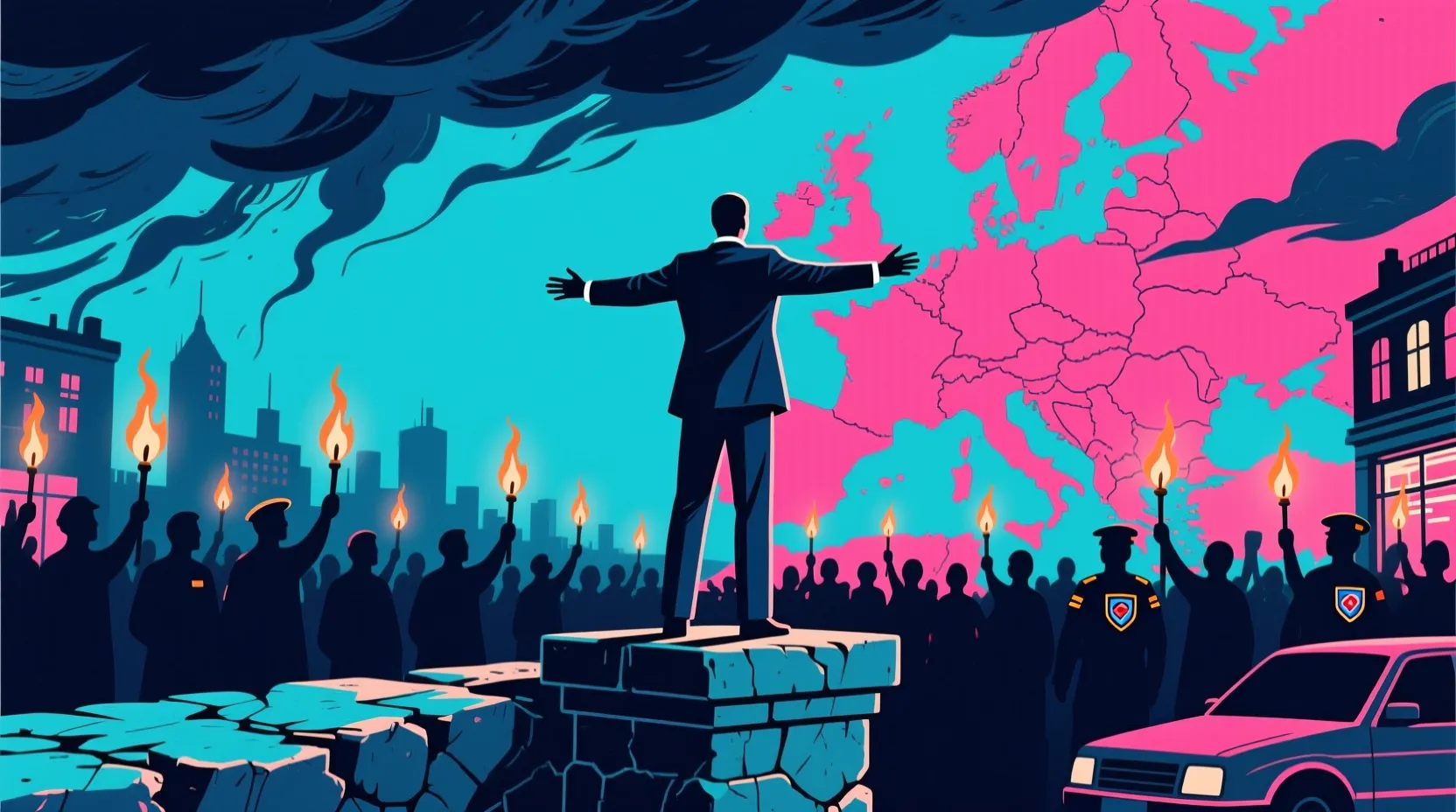
At a glance
What matters most
- Viktor Orbán has been Hungary's prime minister since 2010 and is running for another term in elections set for April 12, 2026.
- Recent independent polls show a tight race, with opposition gains suggesting Orbán could lose his parliamentary majority.
- Orbán has warned voters that removing him would bring danger and instability, framing the election as a choice between safety and chaos.
- He remains a key figure in Europe's conservative movement and has been endorsed by Donald Trump as a 'fighter' for national sovereignty.
Across the spectrum
What people are saying
A quick look at how the same story is being framed from different angles.
On the Left
Orbán's warnings of chaos are a classic authoritarian tactic-using fear to mask corruption and democratic erosion. After 16 years of weakening institutions, controlling the media, and sidelining dissent, he's now panicking at the idea of accountability. A shift in power would be a win for Hungarian democracy and a check on nationalist overreach.
In the Center
Orbán has maintained support by delivering stability and appealing to national identity, but no leader should be treated as irreplaceable. The fact that the race is competitive shows Hungary's democracy still has resilience. The real test will be how smoothly power could transfer if voters choose change.
On the Right
Orbán has stood firm on border security, family values, and national sovereignty-principles that resonated with voters tired of open borders and cultural displacement. His warnings reflect real risks, not fearmongering. Losing him could mean Hungary falls in line with EU centralization and progressive policies many Hungarians reject.
Full coverage
What you should know
Viktor Orbán, Hungary's dominant political figure for over a decade and a favorite of international conservatives, is suddenly looking vulnerable. With national elections just two days away, the prime minister is sounding alarms about national stability, warning that a loss would plunge the country into uncertainty. But the urgency in his message may signal something else: the real possibility that his 16-year rule could be coming to an end.
Orbán addressed the nation this week, positioning himself as the only reliable guardian of Hungary's security, Christian identity, and family-centered policies. He's long championed a vision of an ethnically Hungarian, migrant-restricted state, one that has drawn both praise from right-wing leaders and criticism from EU officials. His alliance with Donald Trump, who once called him a "fighter" for national sovereignty, has helped amplify his global profile. But domestically, that brand of politics may be losing its edge.
Independent polling suggests a narrowing gap between Orbán's Fidesz party and a fragmented but energized opposition. While Fidesz still leads, analysts say voter fatigue, economic concerns, and frustration with centralized power are chipping away at his support. Some Hungarians appear ready for a shift, even if it means risking the stability Orbán insists only he can provide.
The prime minister's campaign has leaned heavily on fear-warning of economic turmoil, border insecurity, and foreign influence if opposition parties gain ground. He's framed the election not as a routine democratic exercise but as a existential moment for the nation. Critics say those warnings are overblown and designed more to scare voters than to inform them.
Still, Orbán's ability to shape the political landscape shouldn't be underestimated. His government has maintained strong control over public media, and his party has benefited from years of favorable electoral rules. Yet even with those advantages, the race is tighter than it's been in years, suggesting a deeper shift in public sentiment.
What happens in Hungary could ripple beyond its borders. Orbán has been a thorn in the side of the European Union, resisting federal overreach and migration policies. A loss would be a symbolic blow to the broader nationalist movement in Europe-and a setback for global figures like Trump who've held him up as a model.
As the final weekend of campaigning unfolds, the question isn't just whether Orbán will win, but how he'll respond if he doesn't. For a leader who's defined his tenure by strength and control, the prospect of stepping aside may be the greatest challenge yet.
About this author
Zwely News Staff compiles multi-source reporting into concise, viewpoint-aware coverage for readers who want context without noise.
Source Notes
Trump-endorsed 'fighter' Viktor Orbán in deep trouble with Hungarian election just days away
Viktor Orbán has served as Hungarian prime minister for 16 consecutive years, advancing an unapologetically Christian, nationalist, "migrant-free, pro-family" agenda that he told President Donald Trump in November had kept his country "a sp...
Orban Warns of ‘Danger’ If Hungarians Oust Him in Elections
Hungarian Prime Minister Viktor Orban addressed the nation two days before pivotal elections, telling voters that he was the safe bet and that ousting him after 16 years in office, as independent polls suggest may happen, would imperil the...
Previous story
Magic's new Strixhaven novel just got a big discount on Amazon with a free card
Next story